The Unseen Toll: Why Complex Choreography is Pushing Limits
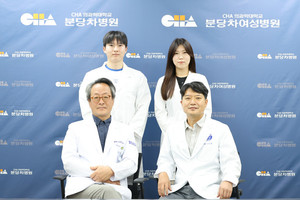
When we watch our favorite idols execute flawless, razor-sharp movements on stage, we rarely stop to consider the sheer physical cost of that aesthetic. Modern K-pop choreography has evolved into an athletic discipline, where movements are designed to be visually overwhelming for high-definition cameras and viral TikTok trends. This shift toward high-intensity performance means that idols are essentially high-performance athletes who don’t get an off-season. Behind the scenes, the repetitive strain on shoulders, knees, and ankles is a constant, quiet narrative in the life of a performer. The recent medical breakthroughs regarding tendon and bone regeneration coming out of medical institutions like Bundang Cha Hospital aren’t just clinical updates—they are a response to the escalating demand for performers to sustain superhuman movement for years on end.
The Industry’s Hidden Protocol: Medical Support as a Strategic Asset
While fans often see the glamour of the comeback cycle, there is a massive, behind-the-scenes infrastructure dedicated to preventative maintenance. Agencies have been quietly shifting their internal strategies from reactionary treatments—which happen once an injury has already sidelined a performer—to a more proactive, regenerative approach. The development of advanced biotechnology that helps repair shoulder tissues, such as the rotator cuff, is a potential game-changer for the K-pop industry. For agencies, keeping an idol on stage is a massive logistical and financial operation. The partnership between top-tier medical researchers and the entertainment industry is becoming the new golden standard, ensuring that an idol’s career isn’t cut short by a routine move that went wrong during a high-stakes world tour or a grueling 14-hour music video shoot.
From Recovery to Reinvention: How Innovation Protects the Icon
We need to talk about the psychology of the ‘invincible’ idol. When a group like BTS or other global acts undergo rigorous dance training, the fear of injury is a looming specter that could derail entire eras. Innovations in tissue regeneration offer a lifeline that goes beyond just ‘healing’—it offers the promise of returning to the stage at full capacity. By focusing on therapies that stimulate the body’s own healing mechanisms, medical professionals are essentially helping to extend the shelf-life of a performance career. This isn’t just about medicine; it’s about cultural preservation. Every idol who can dance with full confidence because they have access to state-of-the-art biological recovery is an idol who can keep building their legacy, their sound, and their connection with the fandom for much longer than the previous generation could ever dream of.
The Long-Term Impact on the Fandom-Idol Connection
What does this mean for us, the fans? It means a shift in how we perceive the ‘completeness’ of a performance. As medical science catches up to the extreme artistic demands of K-pop, we are likely to see fewer hiatuses caused by chronic wear and tear. When idols don’t have to worry about the permanent damage caused by one bad landing or an overextended reach, they can push the boundaries of their creativity further. The Bundang Cha Hospital breakthrough is emblematic of a future where health tech is as much a part of the K-pop ecosystem as the dance studios and the recording booths. For the industry, this is about ensuring that the emotional bond between the artist and the audience remains unbroken by the limitations of the human body.
Redefining Sustainability in the Performance Arts
Ultimately, this technological leap is about moving toward a more sustainable model for stardom. We are witnessing an era where the ‘performance’ is no longer just a display of talent, but a display of optimized human resilience. By investing in better ways to repair bones and tendons, the industry is tacitly acknowledging that they have pushed their artists to the absolute edge of their biological capabilities. Looking ahead, we can expect to see more collaborations between the medical sector and entertainment giants, making regenerative medicine a standard perk for top-tier artists. This isn’t just about patching up injuries; it’s about engineering a culture where talent can thrive without being sacrificed at the altar of choreography. It’s a bright, scientific future for the performers we love, ensuring that when the music drops, the stage remains their kingdom for as long as they choose to reign.
Source Article: Read the original Korean news here
#KpopIndustry #IdolHealth #PerformanceMedicine #BTS #Innovation #KpopNews #StagePerformance #MedicalBreakthrough #IdolTraining #DanceSafety