The Hidden Architecture of Modern K-Pop Stages
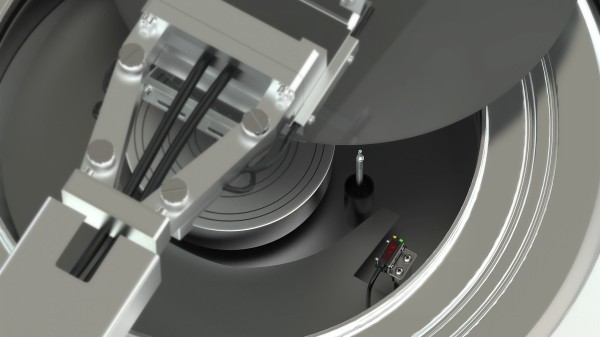
When we watch a BTS concert or a massive arena tour, we are often blinded by the spectacle of light, pyrotechnics, and choreography. However, the true secret to the flawless execution of these global performances isn’t just the idol’s stamina or the rehearsal hours—it’s the precision engineering that happens behind the scenes. Much like the industry-shifting sensor technology recently unveiled by South Korean innovators at Autonics, the world of K-pop production has moved into an era of micro-optimization. It’s no longer enough to have a good stage; the modern K-pop show requires sensors, actuators, and mechanical feedback loops so precise they operate on the scale of millimeters, ensuring that every transition in a complex, multi-layered stage set happens without a hitch.
Shrinking the Tech, Expanding the Vision
The move toward ultra-compact, ultra-thin hardware—similar to the breakthrough BTS/BTS sensor series discussed in the recent industrial news—is a fascinating parallel to the evolution of K-pop’s stage design. In the past, heavy machinery dominated the stage, leaving little room for the performers to maneuver. Today, production teams demand technology that is invisible yet incredibly powerful. We are seeing a shift where stage engineers favor minimalist hardware that can be tucked into tight, restricted spaces, allowing directors to place automation systems directly beneath the floorboards or behind thin LED walls. This shift allows for the ‘magic’ moments we love—like a surprise platform rise or a synchronized wall split—without the bulky infrastructure cluttering the performance area.
The Psychology of ‘Seamless’ Transitions
Why go to such lengths for micro-sensing technology? The answer lies in the high-stakes psychology of modern K-pop fandom. Today’s audiences are hyper-vigilant; they watch performances in 4K resolution, dissecting every frame for mistakes. The demand for perfection is an ‘expectation tax’ that every production crew must pay. By integrating cutting-edge sensor feedback systems, companies are effectively eliminating human error in technical synchronization. When a group like BTS executes a gravity-defying move involving moving stage elements, the sensors detect the exact distance and pressure required to maintain safety and visual continuity, creating a seamless experience that feels almost supernatural to the audience.
Bridging the Gap Between Industry and Artistry
It’s rare to connect industrial hardware manufacturing with the glitter of an idol music video, but the technological ecosystem in South Korea is increasingly interconnected. The same high-level R&D that powers South Korea’s world-leading factory automation is the backbone of its cultural export engine. The BTS/BTS series sensors mentioned in recent reports exemplify a trend of ‘localization of precision’—solving specific problems in tight, restricted spaces. In the context of a K-pop stage, these solutions allow for the rapid deployment of complex rigs in different venues worldwide, ensuring that the show you see in Seoul is identical in quality to the one you experience in London or New York. The logistical precision is the unsung hero of the K-pop explosion.
Future-Proofing the Global Stage
As we look toward 2026 and beyond, the collaboration between industrial engineering and performance art will only deepen. We are already seeing prototypes of ‘smart stages’ that adjust automatically to the weight and movement of the idols, a direct evolution of the proximity sensing technology we see in industrial settings today. By adopting these hyper-efficient, ultra-thin components, agencies are future-proofing their tours. They aren’t just selling a song; they are selling an automated, perfectly calibrated environment that allows artists to focus entirely on their craft while the technology handles the heavy lifting in the background. It is a quiet revolution that ensures K-pop remains the gold standard for live entertainment.
Source Article: Read the original Korean news here
#BTS #KpopProduction #StageDesign #TechInnovation #EngineeringExcellence #KpopCulture #LivePerformance #AutomationTech #IndustryTrends #BehindTheScenes