The Speed of Speculation: Navigating the Digital Wildfire
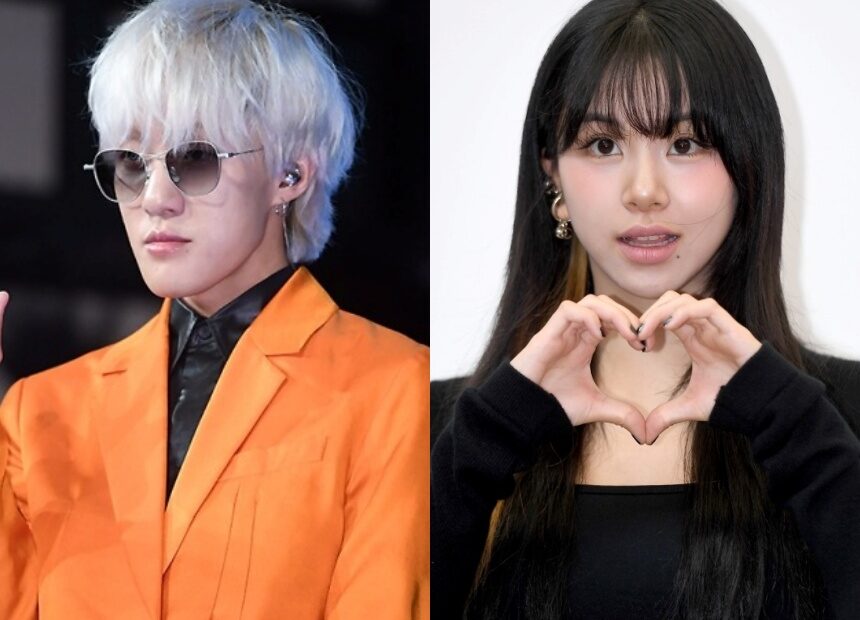
In the high-velocity world of K-pop, rumors often travel at the speed of light, turning minor whispers into global headlines before the artists themselves have had a chance to blink. The recent wave of speculation surrounding Twice’s Chaeyoung and Zion.T—which suggested a split between the high-profile couple—is a quintessential case study in how digital platforms now dictate the narrative of celebrity relationships. Within hours of the initial murmurs appearing on Korean community forums, the news had already permeated international social media spheres, triggering a frantic cycle of fear and disbelief among the ONCE fandom. What makes this particular incident stand out, however, isn’t just the speed of the rumor, but the immediate and collective pushback from a fanbase that has grown increasingly weary of intrusive, groundless gossip.
The Fandom Shield: Why Fans Are Choosing Protection Over Gossip
The reaction to the official agency confirmation that the breakup rumors were ‘factually groundless’ has been nothing short of a masterclass in modern fandom maturity. Rather than fueling the fire with endless debates, a significant portion of the global fan community mobilized to call out the irresponsible nature of speculative journalism. Across platforms like X and Reddit, the overarching sentiment was one of exhaustion regarding the constant surveillance of idols’ personal lives. Fans are increasingly viewing these false reports as an attack on the artists’ mental well-being, with many expressing that they would prefer to see their favorites focused on their craft—whether it’s Chaeyoung’s artistic endeavors or Zion.T’s soulful compositions—rather than fighting to preserve their privacy against baseless clickbait narratives.
Beyond the Headline: Decoding the Modern Relationship Stigma
To understand why this news resonated so deeply, one must look at the shifting cultural landscape of K-pop. There is a palpable tension between the traditional, exclusionary expectations of idol culture and the modern reality that artists are individuals with human needs for connection. The collective emotional response of the fanbase suggests that the ‘idol sanctity’ trope is being dismantled from the ground up by the very people who sustain the industry. By rallying to defend the validity of the relationship, fans aren’t just protecting a couple; they are asserting a new boundary: that being a global superstar does not equate to sacrificing the autonomy of one’s private life. This transition is a significant milestone in the maturation of K-pop fandoms, moving from protective possessiveness to a more empathetic, human-centric approach.
The Institutionalized Response: The New Standard for Crisis Management
The efficiency of the official agency statement in shutting down the rumors serves as a reminder that the industry is changing how it handles private life crises. Gone are the days of long periods of silence that allowed rumors to fester; today’s agencies—and indeed, the artists themselves—are showing a willingness to engage in proactive reputation management. This swift intervention is being hailed by fans as a victory for the artists, signaling a shift in power dynamics where the agency acts as a shield against digital vitriol. For many followers, this rapid resolution has become a benchmark for what they expect from future management strategies—transparency, speed, and an unwavering commitment to the artists’ public image integrity.
Looking Ahead: Setting Boundaries in a Hyper-Connected Era
As the dust settles, the conversation in the community has moved toward how fans can better support artists in the future by refusing to engage with unverified information. The lesson here is clear: the collective voice of the fandom has immense power to influence the lifecycle of a rumor. By choosing to prioritize the agency’s official word and actively muting toxic speculation, the fan community is effectively setting a new standard of digital hygiene. The future of K-pop isn’t just about record-breaking sales or stadium tours; it is about cultivating an environment where the boundary between the performing professional and the private person is respected, ensuring that the human element of the industry remains at its core.
Source Article: Read the original Korean news here
#Twice #Chaeyoung #ZionT #KpopNews #JYPEntertainment #IdolPrivacy #KpopFans #ONCE #KpopCulture #DigitalEthics