The Cultural Paradox: When ‘BTS’ Becomes a Tech Glitch
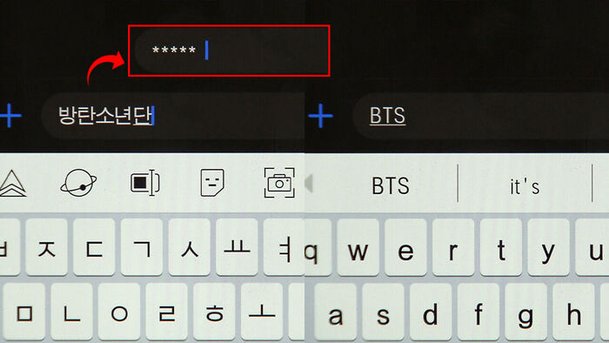
The world of K-POP has reached corners of the globe that few could have imagined a decade ago, but perhaps no story is as surreal as the recent reports coming out of North Korea. In a bizarre twist of digital censorship and pop culture influence, it appears that the name of the world’s biggest boy band, BTS, has become a subject of intense scrutiny on state-issued smartphones. While the regime has historically maintained a ironclad grip on ‘anti-socialist’ culture, the inconsistency in how these devices handle the group’s name—blocking the Korean script ‘방탄소년단’ while seemingly allowing the English acronym ‘BTS’—has sparked a fascinating discussion about how technology and censorship collide in the modern era.
Decoding the Digital Firewall
To understand why this is happening, one must look at the unique ecosystem of North Korean mobile devices. These phones are designed to run on a heavily modified, closed-off version of Android, often pre-loaded with state-sanctioned applications and restricted connectivity. When a user tries to type the group’s full name, 방탄소년단 (Bangtan Sonyeondan), the phone’s predictive text or internal filter likely recognizes it as a prohibited term linked to South Korean cultural influence. However, because ‘BTS’ is an English acronym, it occasionally slips through the cracks of these algorithmic gatekeepers. This creates a strange, unintentional loophole where the global brand exists within the system, even if the cultural context behind it remains strictly banned by the authorities.
The Global Impact of the ‘Bulletproof’ Brand
This isn’t just about a glitch; it is a testament to the unstoppable reach of K-POP. Even in the most isolated regions of the world, the influence of BTS has penetrated the cultural consciousness. For years, Hallyu (the Korean Wave) has been labeled as a ‘malignant tumor’ by state media in the North, yet the popularity of K-dramas and music continues to grow underground. The fact that the regime feels the need to specifically code filters against the name BTS proves that the group’s message of self-love and empowerment is seen as a direct threat to the status quo. It highlights the immense power of fandom culture, which transcends physical borders and digital firewalls alike.
Industry Reactions and the Human Element
Industry experts and K-POP fans worldwide have reacted with a mix of amusement and serious reflection. Many wonder how the North Korean youth, who are often technologically savvy despite the restrictions, navigate these blocks. If a simple acronym change allows them to access information about their favorite artists, it suggests that digital resistance is becoming a standard practice. For the global ARMY community, these stories serve as a poignant reminder of why music matters. It isn’t just about catchy melodies or choreographies; it is about the universal human desire to connect with art that speaks to the soul, regardless of the political climate in which one resides.
Looking Ahead: Will Technology Bridge the Gap?
As mobile technology continues to evolve, the ‘game of cat and mouse’ between state censors and tech-savvy citizens will only grow more complex. Will the authorities update their software to include the acronym, or will the influence of Global K-POP become too pervasive to control entirely? One thing is certain: the legacy of BTS has already left an indelible mark. By becoming a term that requires specific, active censorship, the group has cemented its status as a cultural phenomenon that cannot be ignored, not even by the most restrictive governments in the world. As we look to the future, we expect to see more of these ‘glitches’ as the desire for cultural expression continues to push against the barriers of the digital age.
Source Article: Read the original Korean news here
#BTS #KPOP #Hallyu #NorthKorea #TechNews #ARMY #GlobalMusic #DigitalCensorship #KPOPNews #SouthKorea