When Criticism Crosses the Line: The Incident Unfolded
The world of K-POP is no stranger to heated debates, but a recent incident involving a Brazilian media personality has sparked an international firestorm. A Brazilian critic recently found themselves at the center of a massive controversy after making derogatory remarks regarding BTS, labeling them as “acting like complete women” and accusing them of being “full of vanity.” The comments, which were intended to be a critique of their aesthetic and performance style, instead came across as highly offensive and rooted in outdated gender stereotypes. The backlash was instantaneous, with ARMY—the group’s global, highly organized, and passionate fanbase—immediately taking to social media platforms to hold the critic accountable for what they labeled as blatant hate speech and xenophobia.
The Power of ARMY: A Force to Be Reckoned With
If there is one thing the global music industry has learned over the past decade, it is that you do not come for BTS without consequences. Once the comments began to circulate on platforms like X (formerly Twitter) and Instagram, the ARMY did what they do best: they mobilized. Thousands of fans flooded the critic’s social media channels, demanding an apology and highlighting how these remarks were not just an opinion, but a form of misogynistic prejudice. The sheer scale of the reaction served as a testament to the group’s influence, forcing the critic to face the weight of their words. Ultimately, the pressure proved to be too much, leading the individual to deactivate their social media accounts entirely, marking a significant victory for the fan community in their ongoing fight against online toxicity.
Breaking Stereotypes: Why K-POP Aesthetics Trigger Critics
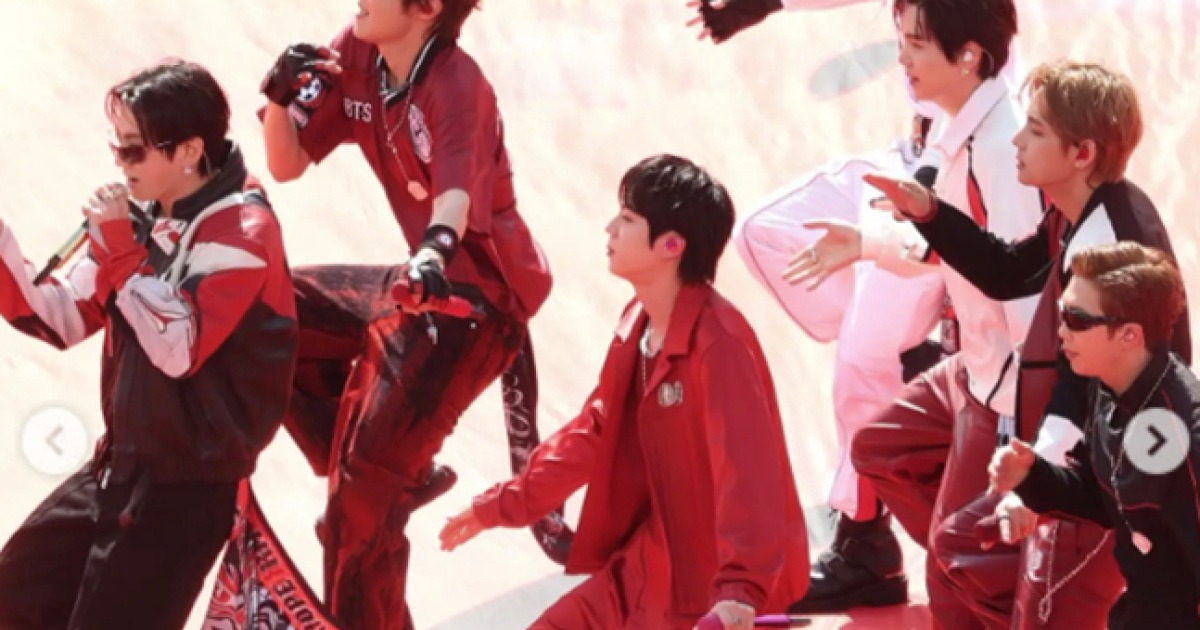
To understand why these comments were so explosive, one must look at the broader context of K-POP culture. Unlike traditional Western pop standards, K-POP intentionally blurs the lines between masculinity and femininity, embracing concepts like “flower boys,” elaborate makeup, and fashion-forward aesthetics. For many critics from more conservative backgrounds, this defiance of Western gender norms is difficult to comprehend, often leading to lazy, bigoted insults. BTS has spent years challenging these very perceptions, using their platform to advocate for self-love and the freedom of expression. By embracing a softer, more emotional, and aesthetically refined image, they have created a global space where fans feel empowered to be themselves, which is exactly why such attacks are met with such fierce protection from their supporters.
Looking Beyond the Controversy: A Pattern of Xenophobia
This incident is not an isolated case but rather part of a larger, persistent pattern of xenophobia and cultural misunderstanding that K-POP idols frequently face in global media. Whenever a group reaches the level of superstardom that BTS has attained, they inevitably become targets for those who feel threatened by the success of non-Western artists. Critics often hide behind the guise of “professional analysis” while employing harmful tropes to dismiss the immense talent and hard work that go into K-POP productions. However, the era of silent tolerance is over. Today’s global fanbase is hyper-aware of these micro-aggressions and is more than capable of countering negative narratives with facts, streaming figures, and overwhelming public support for their idols.
What’s Next? The Future of K-POP Advocacy
As the dust settles, this incident serves as a crucial reminder of the importance of digital etiquette and the power of the global fandom. While the critic may have retreated from social media, the conversation surrounding inclusivity and the respectful treatment of artists continues. BTS has always preached a message of empathy, and their fans are clearly committed to upholding those values by calling out hate whenever they see it. Moving forward, the industry can expect even more scrutiny, as the power dynamics have shifted; fans are now the ones setting the standards for what is acceptable in global media discourse. The incident is a clear signal that the K-POP community will continue to stand as a wall against prejudice, ensuring that their favorite artists are treated with the dignity and respect they have earned through their unprecedented global success.
Source Article: Read the original Korean news here
#BTS #ARMY #KPOP #StopHate #BTSNews #KPOPNews #GenderNorms #MusicIndustry #DigitalActivism #StandWithBTS