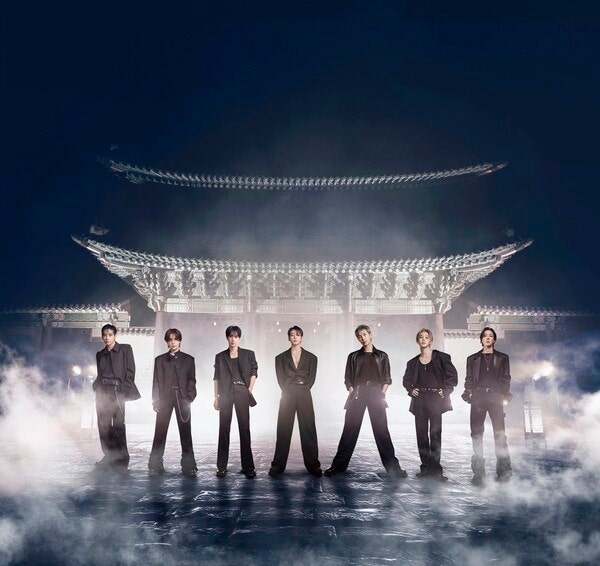
The Economics of Exclusion: Quantifying the Bot Epidemic
In the high-stakes world of K-pop, where the fan-to-artist connection is the primary currency, a new, dark statistic has emerged to challenge the integrity of the live performance industry. Recent reports have shed light on a sophisticated macro-bot operation that successfully siphoned off 2,600 tickets to high-profile concerts, including those for global icons like BTS. This isn’t just a nuisance; it is a calculated 400 million KRW (approximately $300,000 USD) black-market heist that highlights a growing chasm between genuine fan dedication and the predatory digital infrastructure surrounding ticket sales.
Data-Driven Despair: The Mathematical Reality of Ticket Scarcity
When we look at the numbers, the impact of these bot attacks is devastating to the fan experience. To understand the scale, consider that 2,600 tickets represent the capacity of a mid-sized concert hall. When these are harvested in milliseconds, thousands of legitimate fans are left waiting in virtual queues that never move. Below is a breakdown of how the ‘Macro-Revenue’ model disrupts the standard ticket ecosystem:
| Metric | Legitimate Fan Experience | Scalper Bot Operation |
|---|---|---|
| Average Purchase Time | 3–5 minutes (human speed) | 0.02 seconds (API-based) |
| Inventory Access | Limited by queue and site lag | Mass concurrent access via proxies |
| Cost Basis | Face value (Original Price) | Face value + potential illicit fees |
| Resale Markup | Zero (Fan-to-Fan) | 200% to 500% profit per ticket |
This table illustrates the fundamental market inefficiency created by bots. While fans are limited by human reflexes, the automated software operates at a computational speed that renders the ‘first-come, first-served’ model obsolete. When the market permits a 400 million won margin on a single operation, it incentivizes bad actors to invest even more heavily in bypassing security measures, turning ticket purchasing into an arms race that the average listener simply cannot win.
Beyond the Hype: The Real Cost of ‘Empty Seats’
While the monetary profit of 400 million won is staggering, the opportunity cost for the K-pop industry is even higher. Each ticket sniped by a bot is a ticket that isn’t enjoyed by a die-hard fan who would contribute to the atmosphere, boost streaming numbers, or participate in the community discourse that keeps an artist’s brand alive. Industry analysts often focus on sell-out records—the number of seconds it takes for a stadium to sell out—but this metric is increasingly tainted. When a show sells out in ‘record time,’ we are often measuring the speed of bot software rather than the intensity of the fandom’s passion.
The Evolution of Defense: Protecting the Future of Touring
This recent legal action by the prosecution against the 30-something-year-old operator is a necessary step, but it is also a reactionary one. For K-pop agencies, the challenge is now to implement blockchain-based ticketing or more robust identity verification (like pre-verified fan systems) to regain control. As global tours become the primary revenue driver for idols in the streaming era—where physical album sales and digital streams have razor-thin margins—the integrity of the ticket market is the backbone of the entire industry’s financial health.
Fan Sentiment and the Future Landscape
The community’s response has been one of collective frustration, but there is a silver lining. As fans become more savvy about how these systems work, they are demanding higher transparency in sales auditing. We expect to see a shift in 2025 where major management labels will likely partner with tech firms to create ‘Verified Buyer’ tiers that prioritize long-time members of official fan clubs. The era of the ‘Wild West’ in online ticketing is reaching a boiling point; for the sake of the next BTS-level global phenomenon, the industry must pivot toward security metrics that value the human fan over the algorithmic harvester.
Source Article: Read the original Korean news here
#BTS #KpopNews #TicketScalping #ConcertEconomy #KpopIndustry #BTSARMY #MusicTech #TicketMaster #FanRights #DigitalSecurity


