While global gaming headlines focus on patch notes and hero balances, the secret ingredient to Overwatch’s decade-long survival in Korea lies in a deeply intimate, often invisible feedback loop between developers and local fan culture.
The Unseen Architecture of Community Trust
When we talk about the longevity of Overwatch in the Korean market, it’s easy to credit the high-octane esports scene or the accessibility of ‘PC Bang’ culture. However, the true story is found in the under-the-hood labor of the development team, who have spent the last ten years treating the Korean fanbase not just as consumers, but as a primary R&D laboratory. This wasn’t just about localization; it was about a radical commitment to transparency. Behind the scenes, the developers have spent countless hours analyzing Korean meta-trends, which are notorious for being the most aggressive and innovative in the world. By treating Korean feedback as a ‘canary in the coal mine’ for game balance, they established a collaborative blueprint that allowed the game to pivot during its most turbulent periods.
The Psychological Contract Between Devs and Players
The recent discourse regarding the future of the franchise reveals a fascinating psychological contract. Unlike many Western developers who maintain a firewall between staff and users, the Overwatch team has leaned into a style of ‘community-led development.’ This has involved intense preparation cycles where local feedback is integrated into hero design stages, a practice that is rare in the high-stakes world of AAA gaming. This approach has fostered a sense of ownership among the Korean community. When fans feel that their voice is encoded in the actual mechanics of a character, the game stops being a product and starts being a shared cultural asset. This level of engagement has been the bedrock that kept the game afloat even when global interest fluctuated.
The Cultural Translation: Why Korea Became the Game’s Heart
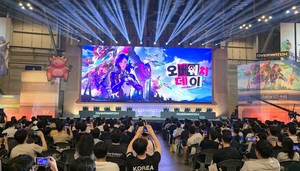
Why did Korea become the heartbeat of the Overwatch universe? It goes beyond just gaming skill. It stems from the hyper-connected nature of the Korean digital experience. The developers recognized early on that for a game to survive a decade, it needed to be more than a ‘play session’—it needed to be a social venue. By supporting local events and engaging in direct Q&A sessions that bypass corporate jargon, the dev team stripped away the ‘us vs. them’ dynamic. This authentic engagement is a masterclass in global branding. It serves as a reminder that even in the age of automated algorithms, the most effective tool for long-term survival is the human touch, specifically the willingness to listen to the fans who care the most about the competitive integrity of the product.
The Pivot to ‘Player-Centric’ Longevity
As the developers look toward the next ten years, the shift in focus is palpable. We are moving away from the era of ‘content dumping’ and into a phase of systemic evolution. The team’s emphasis on the ‘future of Overwatch’ suggests they are moving to solidify this feedback loop even further, perhaps formalizing channels that were once informal. This signifies a move toward sustainability over spectacle. For the fans, this means that the game’s future isn’t just being dictated by boardrooms in California, but by the living, breathing experiences of the players who have spent the last decade perfecting their strategies in the hyper-competitive streets of Busan and Seoul. It is a testament to the fact that longevity is not accidental—it is designed.
Looking Ahead: The Digital Legacy of Korean Gaming
The resilience of this relationship provides a template for other global titles attempting to break into the Korean market. It’s not enough to have flashy graphics or a massive marketing budget. Success requires the humility to learn from the players. As we look at the evolution of the game’s narrative, we see the fingerprints of the Korean community everywhere—from map details to character archetypes that resonate with local sensibilities. The next decade of Overwatch will likely see even deeper integration, as the developers realize that the most powerful weapon they have isn’t found in a hero’s kit, but in the unspoken alliance formed over ten years of shared victories, defeats, and constant, direct conversation.
Source Article: Read the original Korean news here
#Overwatch2 #GamingCommunity #Koreangaming #Overwatch #Blizzard #EsportsCulture #GameDevelopment #GamingIndustry #PCBang #Overwatch10Years