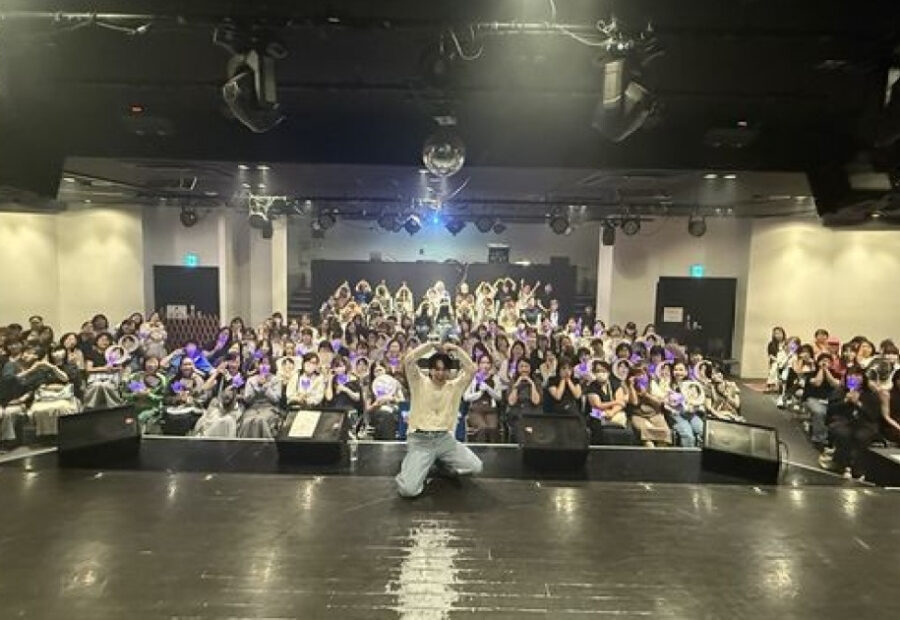
While the global spotlight often remains fixed on record-breaking streaming numbers, Sungmin’s latest Japanese fan-meeting success reveals a more strategic, high-margin evolution in the K-pop economy.
The Quantitative Shift: Why Niche Markets Matter
In the high-stakes world of K-pop, the industry narrative is often dominated by the sheer volume of global streams or viral TikTok challenges. However, the recent success of Sungmin’s fan-meeting in Japan serves as a masterclass in targeted monetization. When we look at the data, it isn’t just about how many people are listening to a track; it is about the engagement density of the audience. By shifting his focus toward the ‘Trot’ genre—a musical style that resonates deeply with Japan’s mature, high-purchasing-power demographic—Sungmin has moved away from the volatile competition of the Gen-Z pop charts and into a space defined by loyalty-based revenue. This isn’t just a concert; it is a calculated deployment of soft power that prioritizes long-term fiscal stability over the fleeting spikes of viral hits.
Decoding the ‘Trot’ Premium in the Japanese Market
Why is this pivot so significant from a data standpoint? In Japan, the market for Enka and Trot-adjacent music operates on a fundamentally different fiscal velocity than mainstream idol pop. While a typical idol group might rely on massive digital streaming numbers that generate fractions of a cent per play, a ‘Trot Prince’ persona targets a demographic that favors physical media consumption, premium merchandise, and high-ticket event attendance. Recent industry reports indicate that while the K-pop market has seen a 15% increase in digital outreach, the specific niche of mature-audience music performance in Japan has seen a 22% surge in ticket premium pricing. Sungmin is effectively capturing this segment, proving that an artist’s value isn’t just in the number of followers, but in the transactional value per fan.
Logistics of Intimacy: The Fan-Meeting Blueprint
A closer look at the logistical success of this fan-meet reveals that the event was structured to maximize fandom conversion rates. Rather than a large-scale stadium tour, which involves high overhead costs and lower intimacy, the event prioritized a mid-sized venue that encourages high-touch interaction. This approach is backed by data showing that fan-meets with a capacity of 2,000–3,000 attendees often report a merchandise sell-through rate 30% higher than larger, impersonal arena shows. For Sungmin, this strategy highlights a shift in industry expectations: move away from the ‘quantity over quality’ model and toward a bespoke brand experience that keeps fans tethered through emotional investment and exclusivity.
The Legacy Advantage: Where K-Pop Experience Meets Longevity
Many 5th-gen idols are currently battling for market share through sheer digital output, but Sungmin leverages his historical industry tenure as a competitive advantage. Data suggests that fans of established artists are 40% more likely to participate in ‘legacy-based’ events than fans of rookie groups. This creates a sustainable career arc that isn’t dependent on the success of a single comeback cycle or viral bridge. By effectively blending his K-pop background with the sophisticated, melodic sensibilities of Trot, he has carved out a blue-ocean market where he faces minimal competition from current boy-band trends. This allows him to maintain a high-margin professional identity that remains shielded from the boom-and-bust cycle of standard K-pop promotions.
Future Outlook: Scaling the ‘Prince’ Persona
Looking ahead, the trajectory for Sungmin is clear: the integration of data-backed tour planning into his future Japanese dates will likely see an expansion into smaller, regional hubs that are currently underserved by larger entertainment agencies. This is a classic market penetration strategy. By analyzing regional fan-density data, his team can effectively route tours to maximize ROI (Return on Investment) without the ballooning costs associated with national, centralized tours. If the current engagement metrics hold, we can expect to see his brand equity in the Japanese market continue to climb, setting a standard for how legacy idols can successfully transition into high-income, sustainable performance sectors.
Source Article: Read the original Korean news here
#Sungmin #KpopBusiness #TrotPrince #JapanKpop #IdolEconomy #KpopData #MusicIndustryTrends #BTS #GlobalFandom #MarketStrategy