Beyond the Glamour: The Anatomy of an Idol’s Decompression
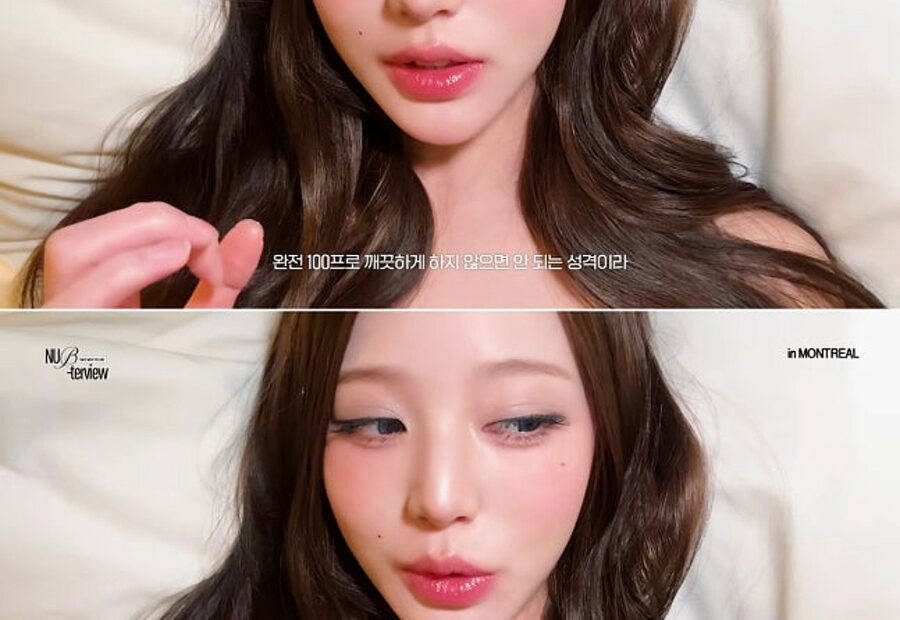
In the high-octane world of K-pop, we are often served a carefully curated diet of airport fashion, stage performance, and perfectly edited behind-the-scenes vlogs. However, IVE’s Jang Wonyoung recently pulled back the curtain on the most mundane, yet essential, part of her life: the post-concert recovery. During a recent interview, she shared that her non-negotiable ritual after a show isn’t a late-night feast or a social media debrief; it is a full hour of showering. While it sounds like a simple hygiene habit, for a global icon, this 60-minute window is a profound act of psychological decompression.
The Evolution of Post-Stage Rites: From Exhaustion to Self-Care
To understand why this is a significant shift in the idol narrative, we have to look back at how previous generations of artists handled post-show fatigue. Compare Wonyoung’s quiet, solitary shower to the era of second and third-generation idols, where the ‘after-party’ or the ‘group debrief’ was the standard industry expectation. Historically, idols were expected to maintain high energy levels long after the house lights dimmed, often participating in group dinners or late-night feedback sessions immediately following a grueling performance. Wonyoung’s deliberate choice to prioritize personal solitude mirrors a modern shift toward professional sustainability in K-pop. She isn’t just washing away stage makeup; she is washing away the intense projection of ‘the idol’ to reclaim her own headspace.
- The ‘Wonyoung Routine’ Facts:
- The ritual is strictly a one-hour solo process.
- It occurs immediately following concert completion.
- The focus is on sensory reset and mental separation from the stage persona.
- It represents a shift from collective group activity to individual mental health maintenance.
A Comparative Analysis: How Today’s Idols Handle the ‘Stage Hangover’
This isn’t the first time an idol has opened up about the difficulty of ‘switching off’ after a performance. For instance, members of BTS have frequently discussed the ’emptiness’ that follows a massive stadium tour. However, the contrast here is in the *method* of recovery. While BTS often channeled that post-show energy into creative reflection or team bonding, Wonyoung represents the ‘Self-Care Gen’ of K-pop. She treats her mental and physical capacity as a finite resource that needs to be meticulously managed. By quantifying her downtime—the ‘one hour’—she is setting a boundary that protects her from the burnout that claimed many idols in the industry’s more ‘hustle-culture’ heavy years.
Why the 60-Minute Shower is a Power Move
Why does a shower get so much attention? Because in the K-pop universe, autonomy is the ultimate commodity. For a performer who is constantly watched, photographed, and judged, the bathroom is one of the few places where a camera cannot follow. Wonyoung’s reveal is an implicit statement that she controls the transition between ‘Jang Wonyoung the superstar’ and ‘Jang Wonyoung the individual.’ It signals to fans—and the industry—that even the most visible stars on the planet require quiet, unmonitored time to maintain their mental equilibrium.
The Industry-Wide Impact of Setting Boundaries
As the industry moves toward a more health-conscious model, moments like this are becoming the new benchmark for professional longevity. When we look at the trajectory of IVE, it is clear that their management style is moving away from the ‘always-on’ idol model. This shift is crucial for younger idols who look up to Wonyoung. By normalizing the need for deep, uninterrupted rest, she is actually helping to dismantle the toxic idea that an idol’s value is directly proportional to their lack of private time. This is a far cry from the earlier eras where exhaustion was worn as a badge of honor; today, recovery is the new strategic asset.
Source Article: Read the original Korean news here
#IVE #JangWonyoung #KpopNews #IdolLife #MentalHealthInKpop #PerformanceRecovery #KpopIndustry #BTS #SelfCare #Wonyoung