In the high-stakes world of global entertainment, turning down a massive payday is rarely a casual affair. Recently, reports surfaced indicating that BLACKPINK member and powerhouse global soloist Rosé declined a staggering 10 billion Korean won—approximately $7.2 million USD—advertising model proposal from a prominent Chinese tea beverage brand. Alongside this high-profile rejection, industry reports also highlighted that an extended collaboration with a major global champagne brand failed to materialize after nearly a year of discussions. While initial talks involved a potential custom signature edition bearing her name, the plans ultimately collapsed because the proposed bottle design failed to meet her personal aesthetic and creative standards. For an industry where commercial endorsements have historically served as the primary financial bedrock for idols, walking away from multimillion-dollar deals signals a radical shift in how top-tier K-pop artists curate their global identities.
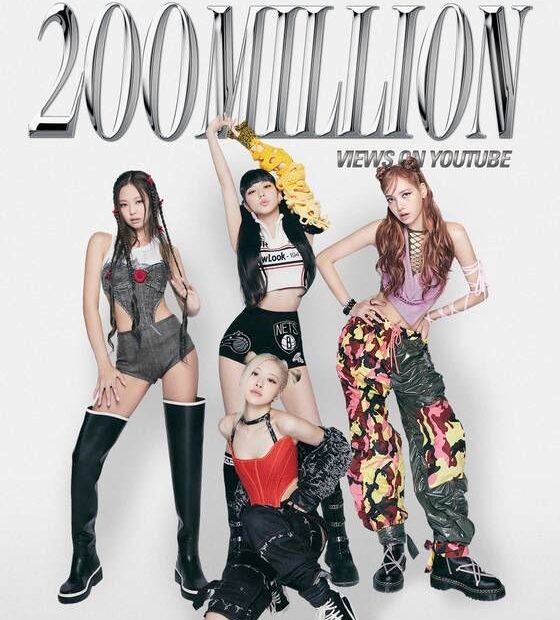
To fully understand the gravity of Rosé’s recent commercial decisions, one must examine the broader historical trajectory of BLACKPINK and the modern K-pop landscape. Debuting under YG Entertainment in 2016, the quartet rapidly ascended to global dominance, rewriting the rules of international crossover success. Throughout their initial years as a unified group, BLACKPINK members became ubiquitous faces across luxury fashion houses, beauty conglomerates, and lifestyle brands. However, those early endorsement cycles were largely characterized by alignment with overarching group strategies and agency-negotiated contracts. When Rosé embarked on her official solo journey starting in 2021 with her debut single album ‘R’, she began laying the groundwork for an independent artistic footprint. The monumental global success of her 2024 collaboration track ‘APT.’ with pop superstar Bruno Mars served as the ultimate turning point, propelling her from a globally renowned girl group member into a universally recognized solo pop artist whose cultural footprint transcends traditional K-pop boundaries.
This career trajectory mirrors a broader structural evolution within the contemporary music industry, where top-tier artists gradually transition from being manufactured promotional faces to autonomous cultural curators. In the past, rookie and even veteran K-pop idols operated within a hyper-compliant commercial ecosystem where turning down major corporate offers was virtually unheard of due to strict agency pressures and revenue dependencies. Today, artists who have achieved a critical mass of international acclaim possess the leverage to prioritize long-term brand equity over short-term financial gains. Rosé’s choice to walk away from a 10 billion won beverage contract and a prestigious champagne partnership demonstrates a rare level of career control. This moment suggests that for elite contemporary acts, maintaining artistic integrity and protecting personal brand equity carry far more weight than immediate monetary rewards.
To appreciate how vastly the industry standard has shifted, it is illuminating to compare Rosé’s recent decisions with historical precedents in K-pop and within BLACKPINK itself. Historically, major endorsement missteps or rejections in the K-pop sphere were reactive—usually triggered by sudden political tensions, public relations crises, or controversial brand behavior that forced agencies to pull their artists away. For instance, early-generation and second-generation Hallyu stars frequently navigated endorsement deals dictated entirely by corporate mandates, where refusing a brand proposal could result in severe professional repercussions or strained commercial relationships. Even in earlier phases of BLACKPINK’s career, promotional partnerships were tightly synchronized to maximize group-wide market penetration across Asian and Western territories simultaneously, leaving little room for individual creative veto power over minor design details like a champagne bottle.
What makes Rosé’s situation radically different is its proactive, highly individualized nature. She is not stepping back due to an external PR crisis or a sudden geopolitical dispute; rather, she is actively exercising curatorial veto power because a bottle design did not satisfy her artistic standards, or because a massive beverage campaign did not align with her evolving global persona. This level of granular artistic control over commercial partnerships has rarely been afforded to K-pop idols. Below is a structural comparison highlighting the shift from traditional K-pop endorsement models to the contemporary autonomy demonstrated by global soloists like Rosé.
| Traditional K-Pop Endorsement Model | Modern Autonomous Model (Rosé’s Approach) |
|---|---|
| Driven primarily by agency mandates and collective group schedules. | Guided by individual artistic vision and personal brand curation. |
| Acceptance of nearly all high-value corporate and commercial offers to maximize revenue. | Willingness to reject multimillion-dollar deals (such as 10B won offers) if terms or designs fall short. |
| Focus on widespread commercial presence and immediate market saturation. | Strategic selectivity prioritizing long-term global prestige and creative alignment. |
This comparative framework underscores a fundamental paradigm shift. While past generations fought for visibility through sheer volume of endorsements, today’s elite acts leverage scarcity and meticulous curation to build enduring luxury and pop-cultural authority. By saying no to lucrative opportunities that fail to meet her exacting benchmarks, Rosé is setting a new precedent for how modern pop icons manage their commercial influence.
When news of such significant financial declinations breaks within global fandom communities, the reaction is overwhelmingly one of profound validation and respect. For international music enthusiasts, witnessing a beloved artist exercise absolute sovereignty over their career provides a thrilling sense of empowerment. Fandoms today are increasingly sophisticated, paying close attention to the intersection of art, commerce, and creative integrity. When an artist demonstrates that they cannot be easily bought by sheer corporate numbers, it deepens the emotional bond between the fanbase and the creator. Fans interpret these choices not as financial arrogance, but as a fierce dedication to quality and authenticity. In the eyes of the global audience, an artist who is willing to leave millions on the table to protect their personal vision is an artist who truly respects their own craft and, by extension, their supporters.
This community sentiment also reflects a broader cultural fatigue with over-commercialized celebrity culture. In an era where digital spaces are saturated with endless sponsored content and superficial brand partnerships, authentic selectivity stands out. When global media outlets highlight an artist’s newfound ability to turn down massive proposals based purely on personal standards, it reinforces a narrative of genuine empowerment. Fans view this as proof that K-pop’s biggest stars have successfully transitioned from regional idols into global heavyweights who dictate their own terms on the world stage, free from the traditional constraints of early-career compliance.
As we look toward the future of the global music industry, Rosé’s recent commercial decisions offer a compelling glimpse into the trajectory of elite K-pop soloists. The ability to walk away from a 10 billion won campaign or stall a year-long luxury collaboration over aesthetic disagreements is not merely an isolated anecdote; it is a clear indicator of where artist management and personal agency are heading. As more K-pop acts achieve crossover success on global charts and establish permanent residency in Western pop culture, the traditional power dynamic between corporate advertisers and musical artists will continue to decentralize.
Ultimately, this moment signals that the future belongs to artists who treat their personal brand as an uncompromised extension of their artistic identity. By prioritizing creative satisfaction and long-term brand equity over immediate financial gratification, Rosé and her peers are redefining what it means to be a global pop star. As international audiences increasingly demand authenticity and high-end artistic direction, the industry will likely see more stars following this blueprint—proving that sometimes, the most powerful statement an artist can make is knowing exactly when to say no.