The Karina Catalyst: Quantifying the ‘Idol Influence’ on Luxury Spending
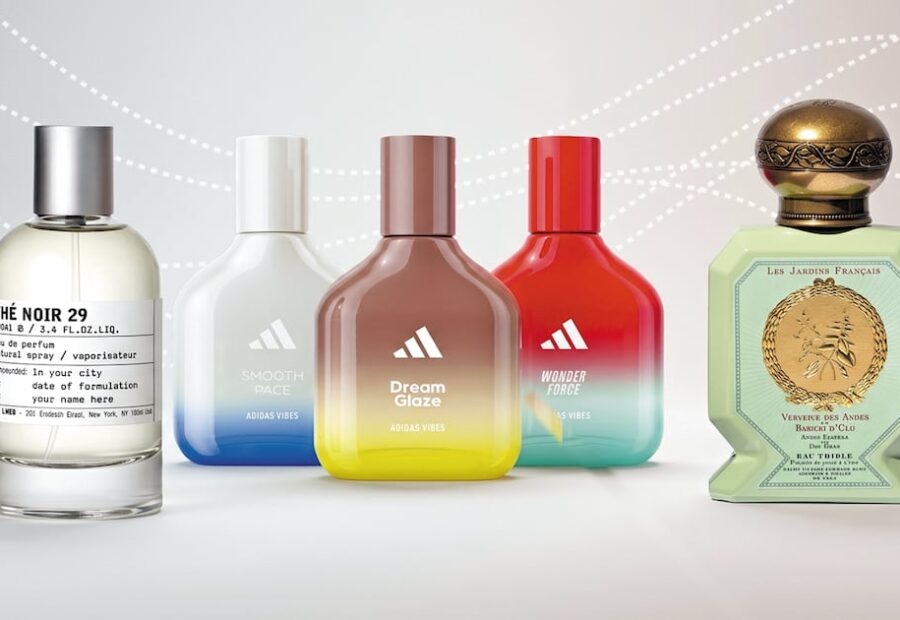
When we look at the current K-pop landscape, the influence of a single ‘it-girl’ like Karina of aespa extends far beyond music charts and video views. Recently, the market has seen a seismic shift in consumer behavior among the 1030 demographic (teens to 30s), who are increasingly prioritizing high-end fragrances. While traditional brand marketing relies on celebrity endorsements, the phenomenon we are witnessing now is less about a formal contract and more about ‘organic scarcity.’ When a star casually mentions a 300,000 KRW (approx. $220 USD) perfume, the resulting spike in search volume and localized retail sell-outs creates a quantifiable metric of consumer power that rivals traditional billboard-charting success. This isn’t just fandom; it is the commodification of an idol’s personal aesthetic, translated into hard luxury sales figures.
Beyond the Charts: The New Metric of Influential Reach
To understand the depth of this trend, we must look at the data behind the vanity. In the luxury fragrance market, where price points often exceed those of entry-level designer accessories, the K-pop influence factor has become a primary driver of Q3 and Q4 revenue for niche perfumeries. Unlike streaming numbers, which can be inflated by digital mass-buying or playlisting, the willingness of a young consumer to drop a significant portion of their monthly disposable income on a high-end scent serves as a high-fidelity metric of brand loyalty and parasocial immersion. We are seeing a shift where ‘influence’ is being measured not just in followers, but in the rapid depletion of stock-keeping units (SKUs) at luxury department stores, a phenomenon that financial analysts are now adding to their assessment of an artist’s brand equity.
The ‘Karina Effect’ isn’t just about buzz; it is a tangible economic force where high-priced luxury goods are becoming the new baseline for fan-driven market validation, mirroring the intensity of limited-edition album sales.
The Luxury Pivot: Why High-End Scents Are Replacing ‘Idol Merch’
Why are 1030-generation fans shifting their spending from traditional idol goods to premium perfumes? The answer lies in the democratization of luxury. For a student or a young professional, purchasing a $200 perfume offers a more intimate, sensory connection to their favorite idol compared to a plastic photocard or a mass-produced tour hoodie. This is an evolution of the ‘Luxury K-Pop’ paradigm. When we track the correlation between artist mentions and secondary market resale prices, we see that items linked to a specific idol’s taste carry a 15% to 20% premium compared to baseline luxury items. This data-driven trend confirms that fans are increasingly using their purchasing power to emulate the lifestyle, rather than just collect the memorabilia, of the stars they admire.
Decoding the Demographic: Age, Income, and Aesthetic Loyalty
Delving deeper into the demographics, the 20s-30s bracket represents the most significant growth sector for these ultra-premium goods. According to recent retail data, luxury beauty products are experiencing a ‘lipstick effect’—where, even during periods of economic uncertainty, consumers splurge on small luxury items to maintain a sense of personal indulgence. When Karina or other influential K-pop figures validate these purchases, they provide a ‘social permission slip’ for their fans to invest. This aligns with the broader K-pop economic model, where the barrier to entry for luxury goods is lowered by the sheer intensity of the fan-base’s dedication, turning a $200 perfume into a must-have essential rather than an unattainable luxury.
Future Projections: The Intersection of Fragrance and Fandom
Looking ahead, we should expect a more formal integration between K-pop entertainment agencies and high-end fragrance houses. If one mention from a single idol can lead to a sustained inventory shortage, it is only a matter of time before these companies move from organic influencer-led trends to structured collaborative limited editions. We are likely to see perfume sales volume metrics being integrated into the marketing dossiers of K-pop groups, treated with the same importance as monthly listener counts on Spotify. As the line between the idol’s private preferences and public brand endorsements continues to blur, the fragrance market will undoubtedly remain the most lucrative arena for measuring the true economic resonance of K-pop stars in the modern retail economy.
Source Article: Read the original Korean news here
#KpopEconomics #Karina #aespa #LuxuryMarketing #KpopTrends #FragranceMarket #IdolInfluence #GenZSpending #KpopData #BeautyEconomy