The Ripple Effect: Beyond the Music
When we talk about BTS, we often find ourselves caught in a cycle of discussing records, streaming numbers, and chart-topping achievements. But there is a secondary, far more organic layer to their success that is currently taking over urban centers across North America. It’s not just about the tickets sold or the sold-out arenas; it’s about the massive economic and cultural shift that occurs in every city the members touch. From local business booms to the complete transformation of public transit systems, the ‘BTS effect’ has moved from a niche music headline to a full-blown urban phenomenon that city planners are now struggling to map out.
The true metric of BTS’s influence isn’t just in the charts—it’s in the way they force cities to evolve, turning global stopovers into vibrant, temporary cultural hubs fueled by the collective passion of ARMY.
The Fan Pulse: Translating Digital Hype into Real-World Energy
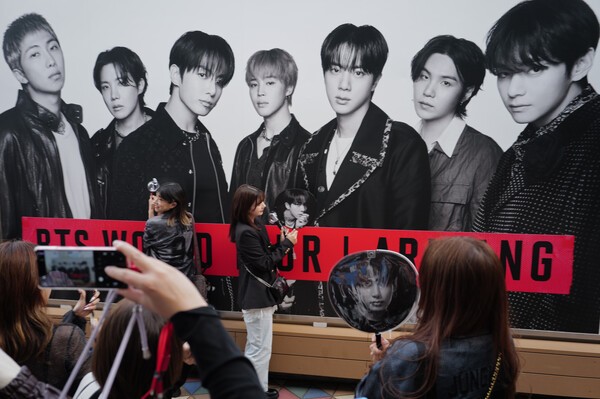
If you head over to the forums or check the trending side of social media, the mood isn’t just excitement—it’s a sense of collective mission. Fans are no longer just passive consumers; they are the architects of the local experience. The online discourse is buzzing with ‘survival guides’ for visiting cities, where local fans act as hosts, curating lists of cafes, art installations, and landmarks for travelers. You can feel the palpable shift in the air; it’s a mixture of homecoming and celebration. The general consensus among the fanbase is that these tours aren’t just concerts anymore; they are community gatherings where the identity of the city is temporarily rewritten by the sheer volume and enthusiasm of international fans gathering in one place.
Connecting the Dots: The Emotional Tether
Why does this resonate so deeply with fans? Because the fandom views these economic upticks as a victory for the group’s legitimacy. When news breaks that a city is thriving economically because of the tour, fans take immense pride in it. It feels like validation. There is a strong sentiment online that says, ‘They aren’t just selling music; they are driving a movement.’ This emotional investment creates a symbiotic relationship between the artist and the city. Fans are actively supporting local businesses that partner with official fan events, turning the act of buying a coffee or a meal into a symbolic gesture of loyalty to the group.
From Solo Stardom to Collective Impact
It is important to look at how this differs from previous eras. In the past, fan engagement was largely vertical—fan-to-idol. Now, it is becoming horizontal—fan-to-city. We are seeing a decentralized infrastructure built by fans, for fans. Whether it’s coordinating flash mobs in central parks or organizing local charity drives in the name of the members, the fanbase is effectively acting as an autonomous organization. This shift highlights a mature, hyper-organized fandom that understands its own power. The industry is watching this closely; they realize that a BTS-led tour is essentially a ‘plug-and-play’ economic stimulus package that can revitalize hospitality sectors overnight.
Future Projections: What Comes Next?
As we look toward the future, the ‘BTS effect’ raises an interesting question: Can other groups replicate this? The consensus among industry insiders and seasoned fans is that this level of influence is built on a decade of relational capital. It’s not just about being famous; it’s about having a fanbase that feels personally invested in the success of the members’ solo ventures. As the members continue their respective paths, fans are viewing every tour stop as a milestone in a broader narrative of individual and collective growth. The excitement isn’t just for the show—it’s for the cultural impact they continue to make on every city they grace.
Source Article: Read the original Korean news here
#BTS #ARMY #KPopNews #BTSWorldTour #GlobalEconomy #KPopCulture #MusicIndustry #FandomPower #BTSEffect #HallyuWave