The Unspoken Tension: Why BTS Chose to Step Back
For years, the relationship between the Recording Academy and global sensations BTS has been characterized by high expectations and, ultimately, recurring disappointment. The news of a potential or symbolic boycott by the group toward the Grammy Awards has ignited intense debates across the music industry. While BTS reached the pinnacle of global stardom, shattering records and redefining what it means to be a pop icon, their journey with the Grammys has felt like a perpetual ‘so close, yet so far’ narrative. This isn’t just about a trophy; it is about the systemic challenges that international artists—especially those from the K-POP sphere—face when trying to break through the traditional glass ceilings of Western music institutions.
A History of Snubs and High Stakes
To understand the current sentiment, one must look back at the past several years of BTS’s discography. With massive commercial hits like ‘Dynamite’ and ‘Butter’, the group brought unparalleled engagement and cultural impact to the Grammy stage. Yet, despite being nominated, they consistently returned home empty-handed. Fans, known as ARMY, have long argued that the Grammys utilized BTS’s star power and massive live-viewership potential to boost their ratings, while failing to provide the group with the recognition their artistry deserved. This cycle of being ‘nominated for clicks’ but ignored for the actual win created a growing sense of disillusionment, not just for the members, but for the global music community.
Industry Perspectives: Beyond the Music
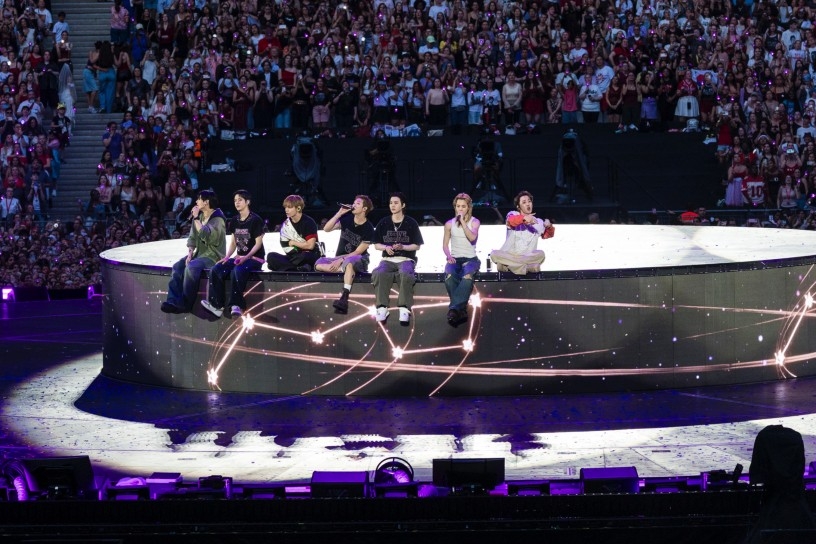
Industry insiders suggest that the reluctance of the Recording Academy to fully embrace BTS speaks to a deeper, more conservative struggle within the organization. While the music industry is rapidly becoming borderless, the institutional structures often lag behind, favoring traditional Western pop sounds and established power dynamics. By choosing to step back or skip the ceremonies, BTS is not just expressing personal frustration—they are taking a stand for their artistic autonomy. This move serves as a powerful signal that the group has transcended the need for traditional validation. After all, when you are selling out stadiums worldwide and influencing global culture, does a gold-plated statue really define your success?
The Voice of the Fandom: Why ARMY Stands Strong
The reaction from ARMY has been nothing short of fierce solidarity. On social media platforms, the consensus is clear: BTS has already achieved something far greater than any award could signify. The fans emphasize that the members’ dedication to their craft, their message of self-love, and their connection with their audience are the true metrics of their legacy. Many fans have openly supported the ‘boycott’ mentality, suggesting that BTS owes nothing to an institution that failed to recognize their evolution from K-POP rookies to undisputed global superstars. The sentiment is that if the Grammys aren’t ready to evolve, then the biggest group in the world doesn’t need to play their game.
Future Expectations: Charting a New Path
Looking ahead, the landscape for BTS and other K-POP artists remains bright, regardless of Western award show politics. As the members focus on their solo projects and eventual group comeback following military service, their focus seems to have shifted toward artistic fulfillment rather than external validation. This phase of their careers marks a transition into ‘legend status,’ where their influence is ingrained in the fabric of music history. Whether they attend future award shows or not, the narrative has shifted; the industry is now forced to reconcile with the fact that the global music paradigm has changed forever, and it is the institutions that need to catch up, not the artists.
Source Article: Read the original Korean news here
#BTS #Grammys #KPOP #MusicIndustry #ARMY #BTSBoycott #RecordingAcademy #PopCulture #GlobalIcons #MusicAwards