The Unstoppable Global Rise of K-Pop at the World’s Biggest Stage
The FIFA World Cup has long been considered the ultimate global stage, traditionally dominated by Western pop icons and legendary international performers. However, the tides have shifted dramatically, and the recent World Cup ceremonies proved that K-Pop is no longer just a trend—it is the heartbeat of global culture. From the electrifying opening ceremonies to the emotional crescendos of the closing events, Korean artists have officially cemented their place at the center of the world’s most-watched sporting event. The news that superstars like BTS and BLACKPINK’s Lisa have become synonymous with the spirit of the tournament is a testament to the immense power and reach of Hallyu.
Jung Kook’s Iconic Opening: A Historic Milestone
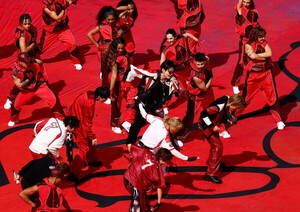
When Jung Kook of BTS graced the stage in Qatar, he made history by becoming the first K-Pop artist to ever perform at a World Cup opening ceremony. His performance of ‘Dreamers’ was more than just a musical act; it was a defining moment for global music integration. Fans across the globe watched in awe as he commanded the stadium with a high-energy choreography and a powerful vocal performance that transcended language barriers. This moment wasn’t just about a song; it was the symbolic passing of the torch, signaling that K-Pop is now an essential component of world-class entertainment, standing shoulder-to-shoulder with the greatest legacies in music history.
The Global Impact of Lisa and the K-Pop Phenomenon
The influence of K-Pop at the World Cup didn’t stop at the opening. The continuous presence of K-Pop icons, including BLACKPINK’s Lisa, has kept the excitement buzzing throughout the tournament. Her massive influence on social media and fashion, combined with the collective power of the K-Pop fandom, meant that the tournament was constantly trending worldwide. Industry experts note that the inclusion of these artists is a strategic move by event organizers to bridge the gap between traditional sports audiences and the younger, digitally savvy generation of Gen Z fans who follow these idols with religious devotion. K-Pop artists bring more than just music; they bring a dedicated, global fan base that turns every performance into a viral digital event.
Why Brands and Organizers Are Turning to K-Pop
Why has the world suddenly pivoted toward K-Pop for these grand occasions? The answer lies in the unmatched dedication of K-Pop fans and the high-production value that these artists bring to every performance. Unlike traditional acts, K-Pop idols provide a complete package: intricate dance routines, flawless visuals, and an interactive digital presence that creates a 24/7 engagement cycle. Whether it’s through fan-led streaming efforts or viral TikTok challenges, the K-Pop machine ensures that the event remains relevant long after the final whistle blows. This shift proves that the global music industry is no longer centered in just London or Los Angeles; Seoul has firmly established itself as a primary hub for world-class talent.
Reflecting on the Future: What Comes Next?
Looking ahead, the successful integration of K-Pop into the World Cup framework paves the way for future opportunities. We are likely to see more collaborations between sports organizations and Korean entertainment agencies as they recognize the mutual benefit of this partnership. Fans are already buzzing with excitement about who might take the stage next, with expectations higher than ever. Whether it’s a group performance or a solo showcase, the precedent has been set: K-Pop is an essential element of modern, globalized event spectacles. As we move forward, we can expect to see K-Pop continue to break down barriers, proving time and time again that music is the ultimate universal language that connects us all.
Source Article: Read the original Korean news here
#KPOP #BTS #Jungkook #BLACKPINK #Lisa #WorldCup #Hallyu #KpopNews #GlobalMusic #IdolImpact