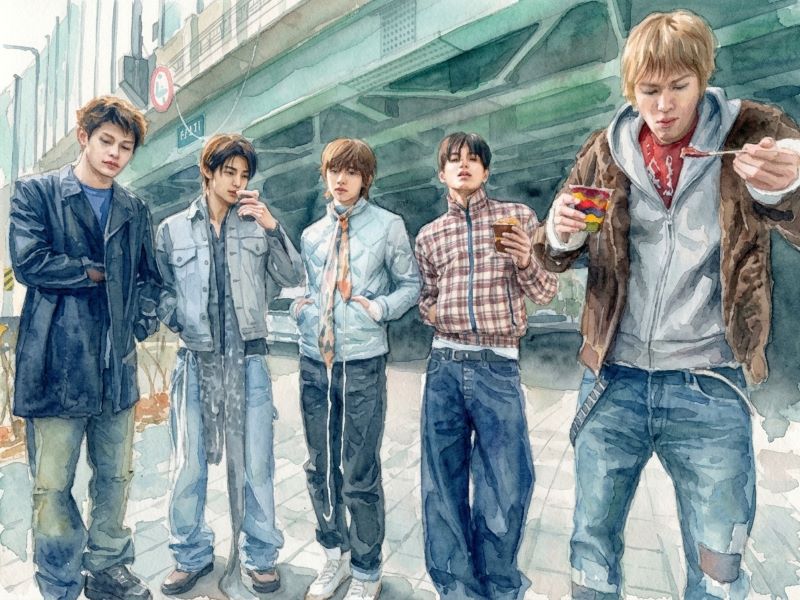
In the rapidly evolving landscape of K-pop, the definition of an ‘album’ is undergoing a radical transformation. Gone are the days when a physical release was defined merely by a disc, a booklet, and a set of photocards. Today, fans are seeing their favorite artists integrate high-utility lifestyle products directly into the unboxing experience. From TWS including functional mood lights in their latest single album to LE SSERAFIM packing mini-cameras into their recent releases, the industry is moving toward a strategy of ‘everyday utility.’ This shift marks a significant departure from purely decorative collectibles toward tangible, usable goods that allow fans to integrate their favorite idols into their daily routines.
This trend represents a maturation of the K-pop physical media market, which has had to adapt to the streaming era by offering physical products that possess genuine, practical value. While digital platforms dominate music consumption, the physical album market in Korea has thrived precisely by treating the album as a luxury lifestyle accessory. By incorporating items like lip balms, working lamps, and tech-integrated peripherals, labels are transforming the act of purchasing an album from a one-time media consumption event into a long-term presence in a fan’s living space. It is a strategic pivot that recognizes that a fan who uses a product daily is a fan who remains consistently engaged with the artist’s brand.
The evolution of the K-pop album is no longer about the music carrier itself, but about embedding the idol experience into the intimate, functional spaces of a fan’s daily life.
The Engineering Behind the Aesthetics
To understand why this shift is happening now, one must look at the immense pressure on production teams to innovate within the hyper-competitive physical album market. Creating these special editions is not merely a design choice; it is an extensive logistical undertaking. When groups like TWS or BLACKPINK include electronic components like USB-powered mood lights, the production process involves rigorous safety testing, supply chain management for non-musical goods, and complex assembly processes that mirror those of consumer electronics firms rather than traditional music distributors. This behind-the-scenes effort highlights the changing role of the ‘creative director’ in K-pop, who now must act as a product designer, ensuring that the integration of a gadget feels organic rather than like a tacked-on afterthought.
Consider the logistical complexity of the LE SSERAFIM release mentioned in recent reports, which utilized NFC tag technology to bridge the gap between a physical object and digital content. This implies a significant investment in software development and secure server integration, not just the printing of paper goods. By turning an album into a hardware-enabled portal, the label creates a seamless user journey. This requires close collaboration between the visual department, the engineering team, and the digital platform developers to ensure that when a fan holds a device near the album, the user interface on their phone immediately triggers exclusive content. This technical sophistication is the unseen engine driving the current wave of ‘special edition’ releases, turning the album into an interactive ecosystem.
The Psychology of ‘Everyday’ Fandom
Why do fans react so strongly to these functional items? From a consumer psychology perspective, these products bridge the gap between the parasocial and the practical. A photograph is a static reminder of an idol, but a mood lamp that illuminates one’s room or a lip balm that is used during a skincare routine creates a tactile, ongoing interaction. This is essentially an extension of the ‘lifestyle brand’ model that K-pop has mastered, where the artist is not just a musician but a curator of a specific aesthetic or ‘mood.’ When a brand like CORTIS collaborates with a beauty company like Torriden for a lip balm in a physical release, they are effectively certifying the idol as a reliable source for lifestyle and wellness, deepening the fan’s trust and identification with the brand.
Comparatively, this mirrors the ‘merchandise as extension’ strategy seen in Western luxury fashion, where brands sell lifestyle accessories like keychains or candles to invite younger consumers into their world. However, K-pop has taken this to a more sophisticated level by making these items a standard part of the music release, rather than a separate, high-priced upsell. This signals a move toward a more integrated industry model where music labels function effectively as lifestyle conglomerates. It creates a ‘sticky’ consumer behavior, where the value of the album purchase is measured by how much it enhances the fan’s daily experience. This is an evolution from the scarcity-driven collector market—where value is dictated by the rarity of a photocard—to a utility-driven market where value is dictated by the relevance of the object to the fan’s life.
Industry Trajectory and Future Implications
Looking ahead, this trend suggests that the physical album as we know it will likely continue to vanish, replaced by ‘lifestyle kits.’ We can expect to see more partnerships between K-pop agencies and consumer goods manufacturers, ranging from home decor to health tech. As these items become more complex, the industry may see a shift where the album itself is a secondary element, a digital key that unlocks a physical experience. This poses a challenge for traditional distribution, as the logistics of shipping ‘albums’ will increasingly resemble the shipping of household electronics or beauty products, necessitating changes in inventory management and shipping safety protocols.
Ultimately, this strategic shift highlights the incredible agility of the K-pop industry in response to the decline of physical music consumption. By refusing to let the physical format die, K-pop has instead reimagined the CD as a multi-functional anchor for a brand’s presence in a fan’s home. As this trend grows, we will likely see more collaborations that are less about ‘merchandise’ and more about ‘lifestyle integration.’ The next wave of albums may not even resemble boxes at all; they may take the form of wearable tech, smart home accessories, or integrated beauty systems, signaling that for the modern K-pop artist, the stage is no longer just the concert venue—the stage is everywhere the fan lives their life.