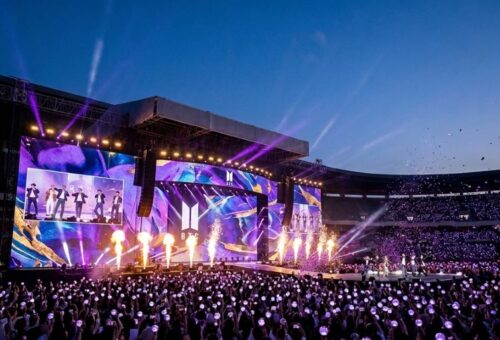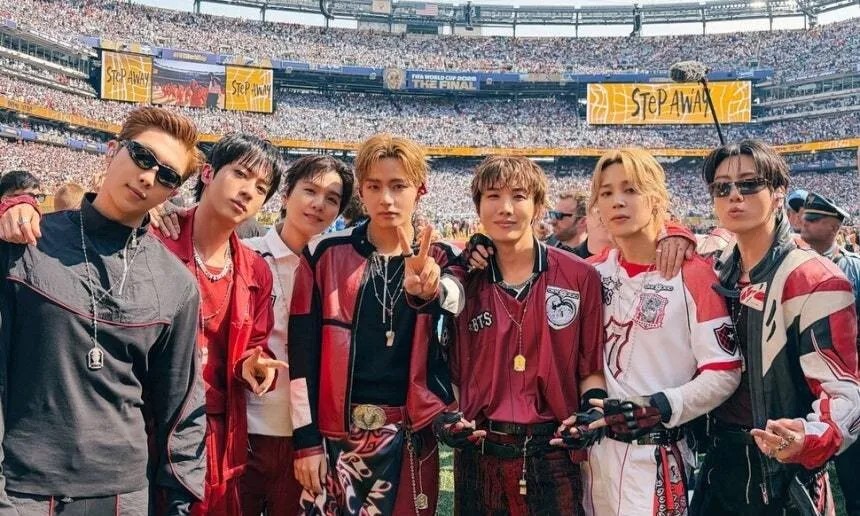
In a striking convergence of high fashion and global pop culture, the esteemed designer label Juun.J has officially unveiled its collaboration with the ‘D’FESTA THE ORIGIN’ exhibition. This massive undertaking, currently hosted at Seoul’s IFC Mall, spotlights 48 of K-pop’s most iconic figures—ranging from global titans like BTS and G-Dragon to the fresh, electric energy of groups like RIIZE and IVE—through a multidisciplinary lens. While K-pop has long been a vehicle for fashion experimentation, this partnership signals a maturation in how these worlds collide, moving beyond simple brand sponsorship into the realm of curated artistic commentary. By casting these idols as subjects of a transformative art project, Juun.J is effectively cementing its role as a pivotal curator of modern Korean aesthetics.
The Arc of Influence: From Streetwear to Cultural Institution
To understand the weight of this collaboration, one must look at the trajectory of Juun.J itself. For years, the brand has functioned as a cornerstone of Korean luxury, known for its deconstructive approach to classic silhouettes and its relentless pursuit of monochromatic depth, primarily through the use of black. For an artist or a design house, a career is defined by how they transition from trend-following to trend-setting. Juun.J has successfully navigated this shift by maintaining a ‘hard’ aesthetic—leather, oversized tailoring, and gender-neutral fluidity—that feels both timeless and aggressively modern. This latest project is a reflection of that long-term strategy: by aligning with the current generation of K-pop icons, Juun.J is not merely dressing stars; it is anchoring its identity within the most powerful cultural force in Korea.
Historically, the relationship between K-pop groups and high fashion was transactional: an idol wears a brand to an airport or a gala. However, as the industry has matured, groups like Stray Kids or aespa have transitioned into muses for luxury houses. This development reflects a shift where the artist’s personal narrative is as valuable as their vocal performance. When Juun.J chooses to frame these 48 artists within the context of ‘Breakthrough’—the exhibition’s central theme of breaking out of an egg to reach a new world—the brand is positioning itself as a silent witness to the growth of these stars. It is a calculated move that mirrors the growth of the idols themselves: just as BTS transitioned from underdog story to global hegemony, Juun.J has moved from an experimental Seoul label to a fixture in the global fashion consciousness.
Deconstructing the Idol: Aesthetic Philosophy as Storytelling
The visual language employed by Juun.J in this exhibition is deeply intentional. By focusing on a palette of black, the brand strips away the hyper-colored, neon-drenched reality often associated with K-pop music videos and performances. In this minimalist space, the focus shifts to texture, proportion, and structure. The use of layering—placing coats over coats—and the dramatic subversion of tailoring norms serve as a metaphor for the K-pop industry’s current state: a constant push to dismantle established boundaries. The ‘official’ look of a pop star is often rigid, but by distorting these proportions, the exhibition invites the viewer to look at these idols as raw subjects of art rather than mere commodities of the entertainment machine.
From an analytical perspective, this project serves as a bridge between the ‘classic’ era of K-pop and the ‘new wave.’ By including legacy acts alongside rookies, the exhibition maps out a lineage of influence. The fact that the exhibition is planned to travel to Tokyo and other global hubs by 2027 suggests that Juun.J is leveraging this collaboration to solidify its export potential. Much like the way K-pop groups use world tours to establish market dominance, this exhibition acts as a ‘soft power’ campaign. It tells international audiences that Korean luxury, much like Korean music, is defined by a refusal to stay within traditional boundaries. It is a dialogue between the perfection of a stage costume and the existential weight of the performer underneath.
Community Resonance and the Future of Cultural Curation
Within the fandom ecosystem, this type of news typically acts as a badge of artistic validation. While casual fans might look for the specific pieces worn by their favorite members, the larger community often interprets these collaborations as a sign that their idols have ‘arrived’ at a level of cultural sophistication that transcends the standard idol promotion cycle. There is a palpable sense of pride when a group known for high-energy performance is suddenly elevated into an art installation. It shifts the conversation from ‘Who is wearing what?’ to ‘How is this brand interpreting my idol’s journey?’ This nuance is crucial, as it builds a deeper layer of loyalty between the consumer and the brand.
Looking ahead, this collaboration sets the stage for a new era of ‘total’ artist representation. We are likely to see more K-pop agencies partner with high-end cultural institutions rather than just traditional retail channels. If Juun.J’s goal, as articulated by Creative Director Jung Wook-jun, is to translate the narrative of world-class artists into their own design language, then we can expect further blurring of lines between the gallery, the stage, and the runway. This exhibition is not an endpoint for the 48 artists involved, but a marker on their collective timeline—a moment where they stop being just performers and start being integrated into the fabric of contemporary art history. For global fans, the next three years will be defined by how this vision expands beyond the borders of Seoul, ultimately proving that K-pop’s reach is as much about cultural presence as it is about chart records.