The Global Phenomenon vs. Local Greed
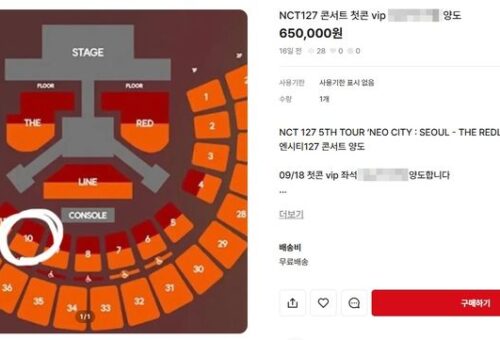
When BTS announced their historic ‘Yet To Come in Busan’ concert, the world held its breath. It was meant to be a celebratory moment, a free concert designed to support Busan’s bid for the World Expo 2030. However, the excitement was quickly overshadowed by a dark cloud of greed. As millions of fans (ARMY) scrambled to book accommodation in the coastal city, they were met with a shocking reality: some local hotels and guesthouses were raising their rates by over 10 times the normal price. This price-gouging scandal didn’t just frustrate fans; it sparked a national outcry that highlighted the clash between global tourism ambitions and the exploitation of K-pop fame.
From Viral Frustration to Parliamentary Action
The situation escalated rapidly as stories of canceled reservations—made by owners hoping to re-list rooms at exorbitant prices—flooded social media. Fans were essentially being priced out of their own passion. The outcry became so deafening that the issue transcended the realm of entertainment news and landed squarely on the floor of the National Assembly of South Korea. Lawmakers began to scrutinize the lack of oversight regarding short-term rental spikes, questioning how a city expecting international prestige could allow such predatory practices to tarnish its reputation. This move marked a rare intersection where the K-pop industry directly influenced legislative discourse, underscoring the massive cultural and economic weight that BTS carries.
Fan Reactions: Defending the Pride of K-Pop
For the global ARMY, this wasn’t just about expensive beds; it was about the lack of respect for the music and the movement that BTS represents. Fans took to platforms like Twitter and TikTok to share screenshots of astronomical quotes, turning the spotlight on the businesses involved. Many called for boycotts, while others shared tips on how to find fair housing or stay in nearby cities to avoid the Busan hospitality trap. The collective voice of the fandom proved once again that they are not just passive consumers, but active guardians of the group’s legacy. They felt that the very city representing Korea’s global image was betraying the fans who travel across continents to see their idols perform.
Industry Implications and the Ethics of Tourism
This controversy has served as a massive wake-up call for the South Korean tourism industry. Hosting major K-pop events is a massive economic boon, but it requires a standard of ethics that many local businesses failed to uphold. Experts argue that such behavior could have long-term consequences for tourism, as international fans may become wary of visiting Korea if they feel they will be targeted by predatory pricing. The incident has forced local governments to consider stricter regulations and consumer protection laws during high-profile events, ensuring that the ‘hallyu’ wave remains a positive experience for all participants involved.
Looking Toward a More Sustainable Future
As the dust settles, the question remains: how do we ensure that major cultural events remain accessible? The BTS Busan concert was meant to be a gift to the fans, and despite the lodging headaches, it remained a legendary performance that showcased the boys’ incredible talent and their commitment to their home country. Moving forward, the expectation is that hosting cities will establish concert-day price caps or collaborate with official booking partners to prevent gouging. The BTS experience has set a precedent—not just for music, but for how a nation must adapt its infrastructure to accommodate the global power of K-pop.
Source Article: Read the original Korean news here
#BTS #YetToComeBusan #KpopNews #ARMY #BusanConcert #KpopIndustry #TravelEthics #PriceGouging #WorldExpo2030 #KpopCulture