The Unending Fascination with K-Pop Real Estate
In the high-stakes world of South Korean entertainment, the line between celebrity status and financial power has never been thinner. Recently, the Korean media has been buzzing with headlines that bridge the gap between national political discourse and the private lives of K-Pop idols. From speculation about presidential mortgages to viral rumors regarding idol apartment subscriptions, the public’s obsession with where and how these stars live is reaching a boiling point. It isn’t just about curiosity; it’s about the socio-economic status that these properties represent in a country where real estate is the ultimate measure of success.
Why Idols and Housing Make Headlines
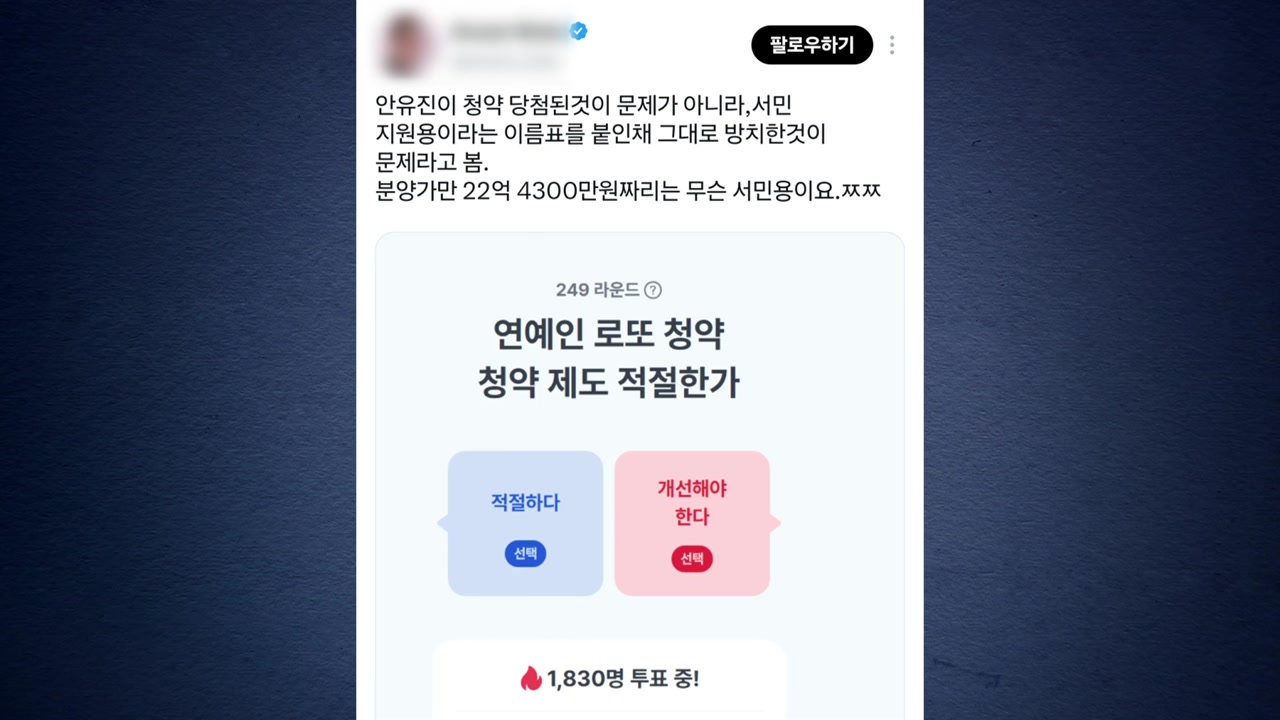
Why does the public care so much about which celebrity bought a luxury apartment in Hannam-dong or who secured a high-demand housing subscription? For many, the K-Pop industry is a symbol of rapid upward mobility. When an artist like a member of BTS or a top-tier girl group makes a major real estate move, it becomes a benchmark for their career trajectory. Fans and casual observers alike use these housing transactions to gauge the success of their favorite stars. When rumors circulate—like the recent buzz regarding idol housing subscriptions—it triggers intense online debates about wealth inequality, housing market accessibility for young Koreans, and the privilege associated with celebrity fame.
The BTS Factor: Setting the Real Estate Standard
The members of BTS have often found their private housing choices in the global spotlight. Whether it is a purchase in the prestigious Nine One Hannam or investments in other affluent districts, these choices are meticulously analyzed by the media. These properties aren’t just homes; they are perceived as strategic financial assets. In an economy where home ownership is becoming an increasingly elusive dream for the average young adult in Korea, the fact that idols can navigate the complex, competitive, and often restrictive real estate market serves as both an inspiration and a point of contention. The media’s focus on these transactions highlights the growing divide between the elite ‘idol class’ and the general public struggling with inflation.
Industry Dynamics and the ‘Hype’ Cycle
The Korean news media plays a massive role in fueling this fire. By linking celebrity real estate news with broader topics like national economic policy or political controversies, they create a ‘click-worthy’ narrative that keeps K-Pop fans engaged even during off-seasons. This intersection of pop culture and real estate news creates a unique psychological phenomenon. Fans feel a sense of pride when their idols invest wisely, while critics use these instances to discuss the commercialization of the industry. It is a cycle of information that keeps the idols relevant and the conversation about South Korean housing policies front and center in the public consciousness.
Looking Ahead: Privacy vs. Public Interest
As the industry continues to evolve, the discourse surrounding the private lives of celebrities will likely remain intense. While global fans often focus on music releases and performance metrics, the domestic Korean sentiment is deeply tied to the social capital that these idols hold. Moving forward, the conversation will likely shift toward the ethical boundaries of reporting on private property records. Does the public have a ‘right to know’ about the financial habits of idols, or is it an invasion of privacy? As K-Pop continues its global expansion, the fascination with the luxurious lives of its stars is unlikely to fade, making real estate one of the most unexpected yet consistent pillars of entertainment journalism.
Source Article: Read the original Korean news here
#KPop #BTS #HannamDong #RealEstate #KoreanIndustry #CelebrityNews #IdolLife #KPopCulture #HousingMarket #SeoulLiving