Decoding the BTS Economy: Why Are We Suddenly Seeing $8 Trillion Won Figures Everywhere?
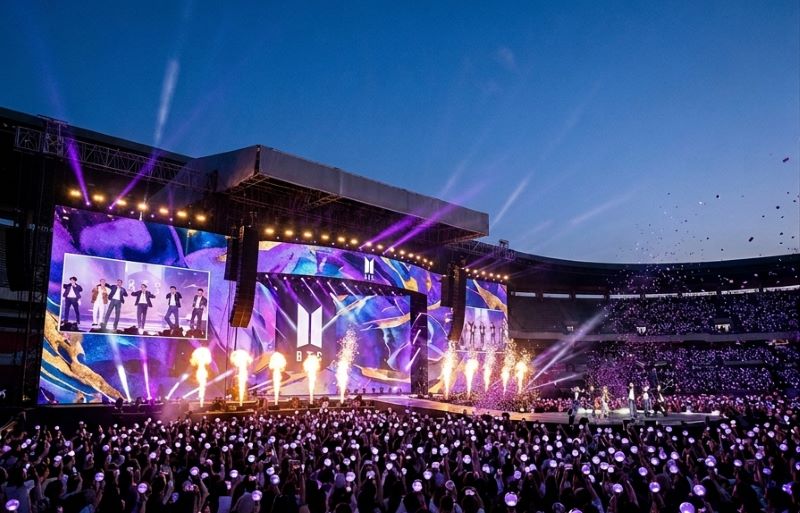
If you’ve been scrolling through your feeds lately, you might have caught wind of the massive 8 trillion won figure associated with BTS’s economic impact. But what does this number actually mean for the average fan? In the world of K-pop economics, it’s not just about album sales or streaming numbers anymore. It represents a massive cultural export that reshapes how local governments and global markets view entertainment. When we talk about this 8 trillion won estimate, we aren’t just looking at ticket stubs; we are looking at the multiplier effect of tourism, international diplomacy, and the ‘halo effect’ that touches everything from Korean food exports to language learning platforms worldwide.
Q&A: Everything You Need to Know About the BTS Economic Phenomenon
Global fans are rightly curious about how an idol group can shift the financial tides of entire regions. To help break this down, I’ve compiled the most frequently asked questions that go behind the headlines to explain the mechanics of the BTS Effect. Whether you’re a new ARMY or a veteran analyst, understanding these dynamics helps explain why BTS isn’t just a musical group, but a cornerstone of Korea’s national branding strategy.
| Metric | Traditional Entertainment Impact | BTS-Level Economic Impact |
|---|---|---|
| Reach | Regional/Domestic | Global/Glocal (Global + Local) |
| Market Influence | Media & Streaming | Infrastructure, Tourism & Soft Power |
How Does Local Government Policy ‘Ride the Wave’ of BTS?
It’s no coincidence that international and local governments are suddenly clamoring to incorporate K-pop aesthetics into their city branding. Beyond just hosting concerts, regional governments are now analyzing data-driven fan migration. When BTS or any high-profile act visits, it creates a massive spike in ‘pilgrimage tourism.’ Local businesses are learning that by partnering with the ‘Bangtan magic,’ they can secure revenue streams that last far longer than the concert dates themselves. They are effectively converting temporary fan enthusiasm into sustainable urban development projects.
Why Is the ‘BTS Effect’ Often Misunderstood by Critics?
A common misconception is that this economic power is purely performative or fleeting. However, the industrial ripple effect is deeply entrenched in the supply chain of modern Korea. From the production of tour merchandise that utilizes regional manufacturers to the massive surge in Hallyu-related imports (like skincare and fashion), the ecosystem is vast. Critics often underestimate how the digital presence of these stars drives tangible demand for physical goods. When a member wears a specific brand or visits a local restaurant, the demand curve shifts overnight—a phenomenon marketers are only just beginning to quantify accurately.
Is 8 Trillion Won the Ceiling or the Floor for K-Pop?
If we look at the trajectory of the last decade, 8 trillion won is likely just the baseline expectation for top-tier groups. As K-pop matures, we are seeing a shift from ‘passive consumption’ to ‘active investment.’ Fans are not just buying songs; they are participating in a global cultural ecosystem that includes finance, technology, and experiential travel. Looking toward the future, we can expect this number to climb as the group’s influence transitions from individual chart-topping successes to a permanent fixture in the global tourism and trade landscape. The real power lies in the brand loyalty that spans generations, ensuring that this economic engine keeps running even during hiatus periods.
What Should Fans Expect Next in the Entertainment Economy?
The next phase of the Enter-conomy will likely involve deeper integration of virtual spaces and hyper-local experiences. We’re moving toward a model where global fan-meets and city-wide activations become the standard, not the exception. The goal for cities and promoters is to create ‘destination environments’ that cater specifically to the needs of international fans, effectively turning every major tour stop into a mini-festival. This is not just a trend; it is the new reality of how global pop culture functions in a connected, post-pandemic world.
Source Article: Read the original Korean news here
#BTS #KPopEconomics #Hallyu #Enterconomy #BTSARMY #GlobalImpact #KoreanCulture #TourismEconomy #KPopBusiness #SoftPower