The Autonomy Pivot: G-Dragon as the Architect of BIGBANG’s Second Act
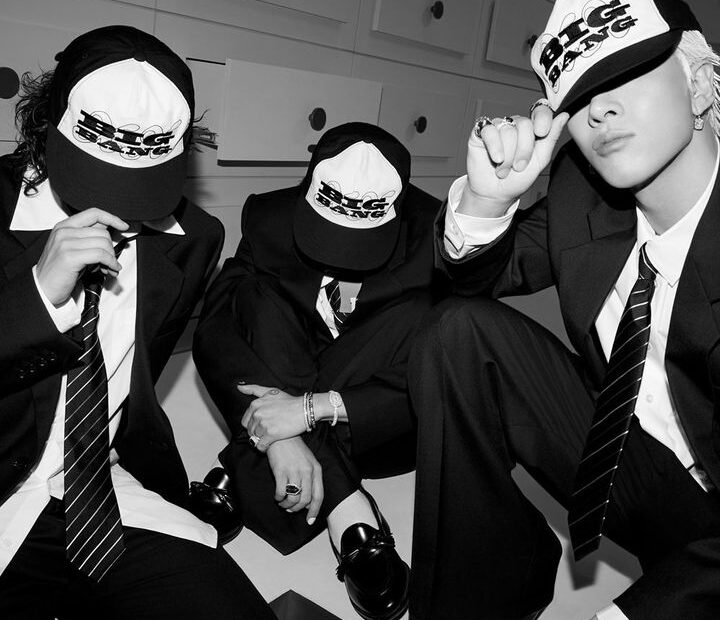
The release of the 20th-anniversary track ‘Big’ is far more than a sentimental milestone; it is a tactical masterclass in brand evolution. By positioning G-Dragon not just as a vocalist but as the sole architect—handling both lyrics and composition—the group is signaling a permanent shift in their operational identity. In an industry where agency control often dictates the release cycle, BIGBANG is effectively asserting total creative sovereignty. This shift away from the traditional ‘agency-driven idol song’ model toward an ‘artist-produced anthem’ model transforms their legacy from that of a standard pop group to that of a high-end boutique musical collective that prioritizes individual creative equity over generic commercial formulas.
Decoding the ‘Legacy Act’ Economics
When we look at the financials of long-running K-Pop acts, the primary risk is usually ‘brand dilution’ through commercial repetition. However, BIGBANG’s current strategy leans heavily into the scarcity principle. By spacing out releases and centering them around milestone dates like their 20th anniversary, the group keeps their brand equity high without the exhaustion typical of hyper-frequent, agency-managed cycles. This is a sophisticated play on longevity. Rather than competing with the rapid churn of fourth or fifth-generation groups, BIGBANG is operating in a lane where they function like classic rock icons, where every new release is treated as a cultural event rather than just another entry on a streaming chart.
| Strategic Variable | Traditional Idol Model | BIGBANG ‘Big’ Strategy |
|---|---|---|
| Creative Control | Agency-led/External Writers | Artist-led (G-Dragon) |
| Release Frequency | High-frequency ‘Comebacks’ | Milestone-driven ‘Events’ |
| Market Position | Trend-following | Category-defining |
Chart Performance as a Signal, Not an End Goal
Critics often fixate on whether legacy acts can replicate their early-career digital streaming records. However, analyzing ‘Big’ purely through the lens of viral charts misses the point entirely. The true metric here is fandom retention and intellectual property appreciation. For a group two decades into their tenure, the objective is to maintain a ‘living’ catalog. Each new track serves as a bridge, keeping the group relevant to a younger demographic while simultaneously extracting value from the existing base of ‘VIPs.’ This is how a 20-year-old group stays top-of-mind for global event promoters and luxury brand partners who prioritize consistent cultural relevance over fleeting chart peaks.
The Agency Strategy: Empowering the ‘Auteur’
What does this mean for the industry at large? Agencies are watching closely. The success of this self-production model suggests that for elite, veteran artists, the most profitable strategy is to grant them the keys to their own kingdom. By leaning into G-Dragon’s distinct sonic fingerprint, the group creates an aura of ‘authenticity’ that is increasingly hard to replicate through committee-based songwriting. This is a market disruption that challenges other agencies to rethink their hold on established talent; it proves that letting your biggest names evolve into auteurs is the only way to sustain interest for two decades and beyond.
Future Expectations: Beyond the Milestone
As we look toward the next chapter, ‘Big’ acts as a stabilizer. It confirms that despite industry rumors or shifts in the K-Pop landscape, BIGBANG remains a monolithic force that defines its own trajectory. We should expect to see more bespoke, high-value content from them that focuses on quality, legacy, and artistic prestige. By moving away from the pressure of the ‘idol conveyor belt,’ they have secured a future where they can exist as a brand rather than a product—a position that every current group, including BTS, is likely studying as they look toward their own eventual decadal transitions. The ‘Big’ comeback is the blueprint for the post-idol, legacy-artist era.
Source Article: Read the original Korean news here
#BIGBANG #GDragon #KPopBusiness #KPopIndustry #20thAnniversary #KPopLegacy #MusicMarketing #ArtistAuteur #KPopStrategy #BTS