The Numbers Behind the Glamour: Measuring Idol Influence
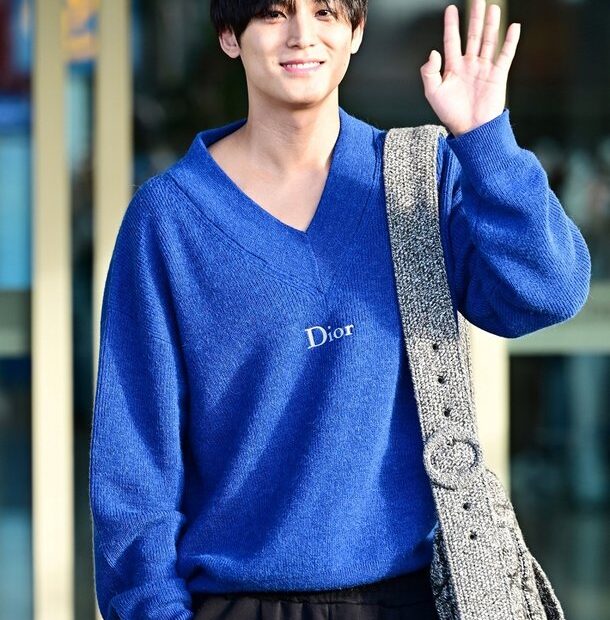
When SEVENTEEN’s Mingyu steps out for an international departure, it’s not just a fashion moment—it’s a data-driven event. As he headed to Jakarta for a high-profile Dior engagement, the digital ripples were immediate. In the world of modern K-pop, the transition from ‘idol’ to ‘global luxury ambassador’ is now quantified by Earned Media Value (EMV). For brands like Dior, placing an artist like Mingyu at the center of their marketing strategy is a calculated bet on his massive social footprint. With SEVENTEEN consistently moving millions of physical albums—their 2023 release FML alone shattered records by exceeding 6 million sales—the group’s sheer reach acts as a force multiplier for any fashion house lucky enough to secure their time.
Beyond the Hype: Converting Fan Engagement into Market Share
Why are luxury houses fighting for a sliver of SEVENTEEN’s schedule? It comes down to the conversion funnel. When Mingyu sports a specific Dior piece at an airport, the secondary market sees a spike in search volume that often outpaces traditional celebrity endorsements. This isn’t just about fan loyalty; it’s about the unique intersection of K-pop consumption habits and the luxury retail market. Fans don’t just watch; they participate in the ‘purchase journey,’ driving luxury brands to prioritize SEVENTEEN members over Western celebrities who may have a larger broad-market reach but lower engagement depth. Data analysts tracking luxury brand performance during the 2024 fashion cycles have noted that SEVENTEEN members consistently occupy the top 5 spots in impact rankings, proving that their presence is a reliable indicator of revenue potential.
The transition from stage performer to luxury powerhouse is no longer incidental; it is a meticulously engineered strategy where every airport departure serves as a high-stakes metric for global brand equity and consumer influence.
The Economy of the ‘Airport Look’ and Brand Synergy
The concept of the ‘Airport Look’ has evolved from a simple paparazzi snap into a global marketing pillar. When we look at the logistics behind Mingyu’s departure, we are essentially looking at a mobile billboard that reaches millions of unique viewers across Instagram, Weibo, and X (formerly Twitter). By analyzing the engagement spikes following these events, we see a distinct correlation between the artist’s ‘visual impact’ and the brand’s stock performance or web traffic. This synergy is why the luxury sector has pivoted so heavily toward K-pop. It isn’t merely about aesthetics; it is about leveraging the most hyper-engaged demographic in history—Carats—to move the needle on high-end retail metrics.
Scaling the Peaks: SEVENTEEN’s Trajectory in Global Rankings
We cannot discuss Mingyu’s influence without addressing the broader context of SEVENTEEN’s chart-topping consistency. From securing high placements on the Billboard 200 to sweeping year-end awards with massive streaming counts, the group’s numbers provide the leverage needed to negotiate these exclusive luxury deals. When a group holds the title for one of the most-sold albums in the history of the industry, their members become ‘safe’ investments for brands like Dior. The data shows that the more successful the music output, the higher the brand desirability, creating a self-sustaining cycle of commercial dominance that few other acts can replicate. Mingyu isn’t just representing a brand; he is representing the peak of a group that has mastered both the musical charts and the retail sector.
Future Projections: The Intersection of Music and Luxury
Looking ahead, we can expect this relationship between luxury houses and K-pop stars to only intensify. As we see more integrated marketing campaigns, the distinction between a ‘music comeback’ and a ‘fashion brand campaign’ will continue to blur. For Mingyu, this Jakarta trip is just one node in a larger network of global reach expansion. If the current trajectory of SEVENTEEN’s streaming numbers and concert ticket sell-outs holds, the brand capital of its members will likely reach a level where they aren’t just faces of campaigns—they will be partners in creative direction. We are witnessing a shift where the ‘idol’ label is becoming secondary to their status as global luxury influencers, backed by cold, hard numbers that define today’s entertainment economy.
Source Article: Read the original Korean news here
#SEVENTEEN #Mingyu #Dior #KpopTrends #LuxuryFashion #KpopData #Carats #GlobalInfluence #KpopEconomics #BTS