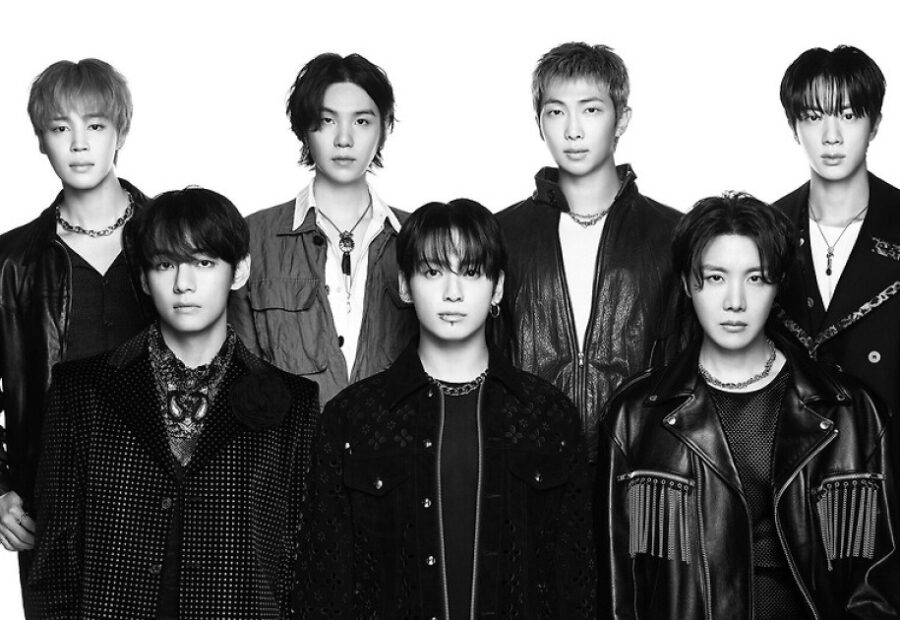
As the industry shifts its gaze toward the MTV Video Music Awards, the narrative isn’t just about another trophy—it’s about the calculated maneuvering behind the scenes of a global music powerhouse.
The Politics of Presence: Why Awards Shows Are Evolving
The conversation surrounding BTS and the VMA circuit often centers on the glitz and glamour, but the reality is a high-stakes game of strategic positioning. For years, the Grammy Awards served as the industry’s traditional North Star, yet the path to recognition there has often been fraught with institutional hurdles that don’t always align with the reality of digital-first global fandoms. By shifting focus toward the VMAs, BTS and their team aren’t just hunting for another ‘Song of the Year’ title; they are engaging in a sophisticated industry pivot. They are choosing a platform that prioritizes cultural impact, viral reach, and visual storytelling—the exact domains where BTS has arguably rewritten the global playbook. This move highlights a deliberate decision to prioritize fan-centric platforms over legacy gatekeepers who have struggled to categorize the group’s unprecedented success.
Deconstructing the ‘Boycott’ Narrative
When headlines mention a ‘boycott,’ they often miss the nuanced logistical reality of how K-pop powerhouse groups manage their prestige. It isn’t necessarily a protest driven by animosity, but rather a cold, calculated evaluation of ‘Return on Effort.’ Preparing for a major awards show performance requires months of grueling practice, creative direction, and logistical heavy lifting. When an artist feels that the structural integrity of an awards body no longer offers a fair reflection of their contribution to music, it is only logical to reallocate those creative resources elsewhere. This isn’t a retreat; it is a recalibration. BTS has moved past the need to prove their worth through traditional validation, instead focusing on platforms that respect the artistic autonomy they have fought to build over the last decade.
The VMA Factor: More Than Just a Moon Person
Why choose the VMAs? Unlike the more rigid structures of other major ceremonies, the MTV Video Music Awards have historically been a playground for experimental performance art. For a group like BTS, whose recent solo projects have leaned heavily into distinct, genre-blurring aesthetics, the VMA stage provides the technical infrastructure to showcase these specific narratives. The production value required to translate an ‘Album of the Year’ level track into a live performance is immense. The VMA’s history of embracing bold, unconventional, and high-budget visual spectacles makes it a much more natural home for the group’s evolving identity as solo artists. It’s an environment where the music is treated as a component of a larger, immersive visual experience, rather than just an audio file being judged for its technical composition.
The Silent Preparation: Behind the Data-Driven Campaigns
Fans rarely get to see the sheer amount of data-driven campaign management that happens in the shadows. Winning ‘Song of the Year’ in a global landscape isn’t just about popularity; it’s about mobilizing a logistical machine that operates across time zones. The ‘re-challenge’ we are seeing isn’t a desperate grab for attention—it is the execution of a long-term goal established by HYBE and the group’s management to maintain a persistent presence in the US market even while members fulfill their mandatory service duties. By focusing on a specific, attainable, and high-visibility goal, the team creates a narrative arc that keeps the fandom engaged and the group’s music in the conversation during a period where full-group activities are physically impossible.
The Long Game: Why This Matters for the Next Generation
Finally, we have to look at the ripple effect this has on the rest of the K-pop industry. BTS’s decision to navigate away from institutions that refuse to evolve forces the industry to take notice. If the world’s biggest group decides that their time is better spent elsewhere, other labels will follow suit. We are witnessing the democratization of influence, where the gatekeepers are losing their power to define what a ‘successful’ artist looks like. BTS is essentially drafting a blueprint for future generations of K-pop idols to prioritize their own artistic legacy over outdated award show politics. As we look ahead, this isn’t just about one trophy—it’s about the paradigm shift that ensures the music, and the community built around it, remains the priority over the whims of industry voters.
Source Article: Read the original Korean news here
#BTS #VMA2025 #KpopIndustry #MusicAwards #BTSARMY #GlobalMusic #AwardShowPolitics #MusicMarketing #IndustryAnalysis #KpopNews


