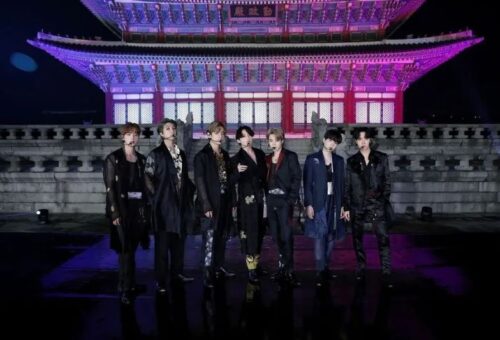

Even major comebacks from industry titans like BTS and BIGBANG cannot shield entertainment-focused exchange-traded funds from a staggering 40 percent year-to-date decline, revealing a stark divide between artistic triumph and market reality.
For global K-pop fandoms, the rhythm of the calendar is dictated by comebacks, teaser drops, and arena tours. Throughout the year, excitement reaches fever pitch as legendary acts and chart-topping groups announce their returns to the global stage. Yet, while fans celebrate the artistic milestones of their favorite idols, a very different story is unfolding on the financial trading floors. According to recent data from financial market trackers, major entertainment-focused exchange-traded funds (ETFs) in Korea have recorded steep double-digit losses since the beginning of the year, plunging by upwards of 40 to 48 percent. This startling disconnect has sparked intense discussions across online fan communities and financial forums alike, forcing both investors and devoted supporters to re-examine the economic engine powering the global K-pop phenomenon.
To understand the current predicament of entertainment sector funds, one must look at how the broader South Korean financial market has shifted over the past year. Earlier in the year, heavy capital concentration into domestic semiconductor stocks drew significant liquidity away from the entertainment sector, leaving music labels and media agencies largely sidelined in broader market rallies. Compounding this structural shift, the market experienced a wave of profit-taking following high-profile events, such as major spring comebacks and large-scale outdoor performances, which triggered ‘sell-on-news’ behavior among institutional investors. Even when subsequent quarters brought highly anticipated returns from legendary groups and powerhouse girl groups like aespa, the collective enthusiasm of the fanbase was not enough to overcome cautious investor sentiment. Financial experts note that the industry has entered a normalization and consolidation phase following the explosive growth of the post-pandemic era, bringing a sobering reality check to valuations that were once priced for perpetual hyper-growth.
Beyond macroeconomic trends and shifting capital flows, corporate earnings reports have played a critical role in cooling market enthusiasm. While powerhouse agencies like HYBE, SM Entertainment, and YG Entertainment largely met or exceeded market consensus expectations for their quarterly earnings, other major players like JYP Entertainment reported figures that fell short of projections, driven by a contraction in operating profits and lower physical album sales per unit compared to previous record-setting periods. This mixed financial scorecard highlights a structural transition within the industry: the peak-out phenomenon in physical album sales that began becoming apparent in late 2023 has forced analysts to recalibrate their expectations. Major securities firms have adjusted their target prices for the major entertainment agencies downward, reflecting a more conservative outlook on forward-looking price-to-earnings ratios. Analysts emphasize that while external catalysts—such as a potential easing of regulatory hurdles in key international markets—could offer temporary relief, a sustainable structural recovery ultimately requires underlying stability in core earnings and fresh investment narratives that resonate with cautious markets.
The Emotional Divide: How Fandoms View Market Pressures
For millions of international and domestic K-pop fans, reading headlines about plunging ETF yields and downward stock adjustments can feel jarring, surreal, and deeply disconnected from the vibrant reality on the ground. Within online communities, social media spaces, and fan forums, the general mood among dedicated supporters is a mixture of bewilderment and fierce protectiveness. When fans see packed stadiums, record-shattering digital streaming numbers, and global chart dominance week after week, financial downturns in entertainment stocks can seem like an abstract metric invented by Wall Street-style analysts who do not understand fandom culture. Fandoms frequently express frustration online, arguing that traditional financial metrics fail to capture the true, long-term cultural capital and expanding global footprint of their favorite artists. To the everyday fan, a group’s value is measured in sold-out world tours, historical festival headlining sets, and unbreakable emotional bonds with listeners across every continent—making the cold logic of stock market corrections feel like an unfair judgment on artistic excellence.
This emotional resonance runs deep because K-pop fandoms invest not just financial resources, but significant emotional labor into supporting their idols’ careers. When market analysts describe a ‘lack of clear upward momentum’ or talk about ‘growth deceleration,’ fans often interpret these corporate evaluations as a misunderstanding of how modern music consumption works in a digital-first global ecosystem. While institutional investors look at quarterly unit sales and macroeconomic headwinds, fans point to skyrocketing international listenership, viral platform moments, and cross-cultural collaborations as proof that the global Hallyu wave is still expanding rather than contracting. This creates a fascinating psychological tension within the broader K-pop ecosystem: on one side, financial institutions urging caution and demanding predictable, steady cash flows; on the other, a passionate global community driving unprecedented cultural engagement that refuses to be quantified by traditional balance sheets alone.
Looking Ahead: What Lies Beyond the Market Correction
As the industry navigates this transitional phase, the path forward for entertainment stocks and their corresponding investment vehicles will likely depend on the sector’s ability to adapt to changing consumer habits and find new avenues of monetization. The days of easy, across-the-board valuation expansions driven purely by post-lockdown hype have given way to a more discerning market environment where execution, global diversification, and stable IP management are paramount. Industry observers suggest that for market sentiment to permanently reverse, agencies must demonstrate sustainable profitability independent of fluctuating physical album cycles, while continuing to cultivate their mega-intellectual properties for long-term global impact. Ultimately, while financial charts may experience periods of correction and turbulence, the enduring cultural power of K-pop’s biggest names suggests that the emotional and creative heartbeat of the fandom remains as resilient as ever, bridging the gap between artistic ambition and economic reality.