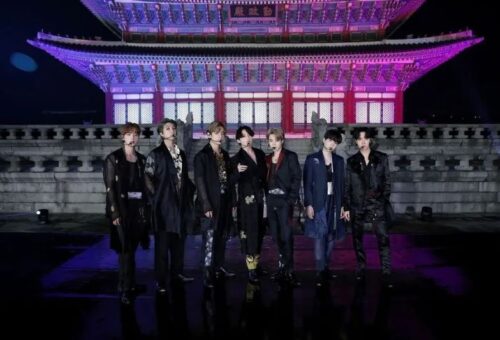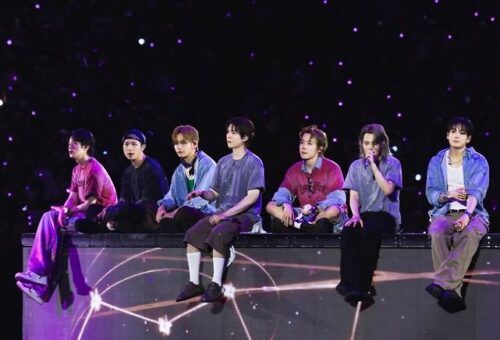
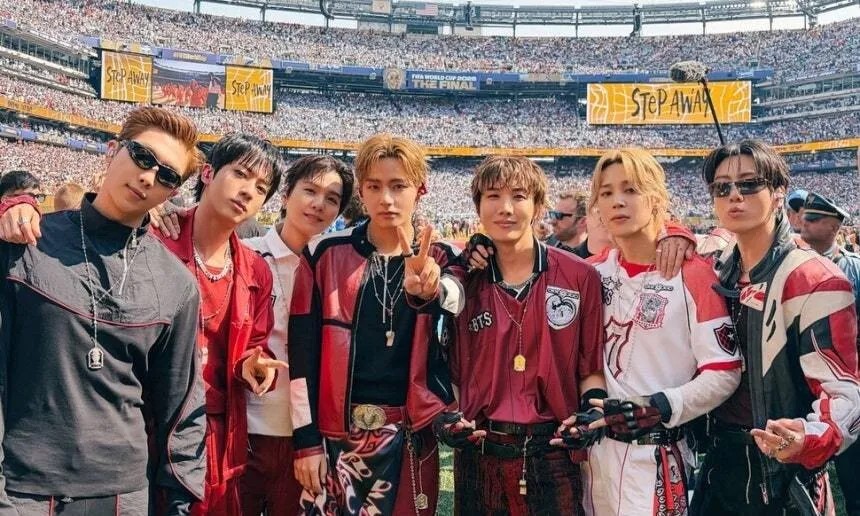
When the vibrant city of Los Angeles officially declared a special ‘BTS Week,’ it marked far more than a mere ceremonial gesture from local municipal authorities. For the global K-pop community, this landmark proclamation served as a striking reminder of the group’s unprecedented cultural footprint, transforming an entire American metropolitan hub into a celebratory nexus for music, art, and community. While headline news often captures the roaring crowds, flashing cameras, and sweeping stadium vistas, the true narrative behind such monumental events lies deeply embedded in the intricate layers of behind-the-scenes preparation, strategic diplomatic coordination, and the relentless dedication of both the artists and their global support systems.
To understand the gravity of ‘BTS Week’ in Los Angeles, one must look beyond the glossy surface of red carpets and official city proclamations to examine the exhaustive machinery required to mount such a massive cultural takeover. In the hyper-competitive landscape of the global music industry, city-wide recognitions of this scale are extraordinarily rare for foreign acts, typically reserved for legendary domestic heritage artists or major international dignitaries. This distinction highlights a sophisticated evolution in how K-pop acts interface with international municipalities. The coordination behind securing such a tribute involves months of meticulous planning between local government stakeholders, tourism boards, and the meticulous promotional apparatus surrounding the group, illustrating that modern K-pop success is as much an exercise in high-level cultural diplomacy as it is in artistic performance.
- Official designation of ‘BTS Week’ by Los Angeles municipal authorities
- Demonstrates deep integration of K-pop culture into American metropolitan centers
- Highlights the complex behind-the-scenes preparation and cultural diplomacy involved
- Reflects the enduring global legacy and community impact of the group
Analyzing this phenomenon through the broader lens of K-pop industry history reveals a fascinating trajectory. Over the past decade, the pathway for Korean artists breaking into Western markets has transitioned from grassroots digital outreach to mainstream institutional embrace. When groups like BTS first began establishing a foothold in North America, promotional efforts were heavily reliant on specialized fan meetups, targeted social media campaigns, and gradual crossover collaborations. Today, the dynamic has inverted: major Western cities actively court K-pop phenomena because the economic and cultural injection they bring is undeniably transformative. This shift suggests that cultural exchange is no longer a one-way street dictated by traditional Western gatekeepers, but a collaborative global marketplace where Asian artists command center stage on their own terms.
The Mechanics of Metropolitan Cultural Integration
The operational reality of executing a city-wide celebration involves an extraordinary synchronization of creative vision and logistical prowess. Behind every landmark declaration or illuminated monument lies a complex web of production schedules, security logistics, and media management designed to protect the artist’s brand while maximizing public engagement. In the case of Los Angeles, a city renowned for its rich cinematic and musical heritage, integrating a K-pop group into the civic fabric required a delicate balancing act. Local officials had to anticipate massive pedestrian influxes, coordinate traffic management around key landmarks, and ensure that digital engagement channels could handle the sheer volume of global fan traffic generated by the announcement.
This level of integration mirrors historical patterns observed during major cultural movements in Western entertainment history, yet it possesses a distinct modern flavor driven by digital connectivity. Unlike traditional fandoms of the pre-internet era, the contemporary global K-pop fandom operates as a decentralized yet hyper-organized transnational network. When a municipality honors a group like BTS, it is formally acknowledging an economic and social reality already constructed by millions of dedicated supporters worldwide. This dynamic redefines the relationship between fan communities and urban spaces, turning cities into living canvases where digital fandom translates directly into physical, real-world geography.
Community Resonance and the Psychology of Fandom Pride
For the millions of fans scattered across the globe, news of a designated ‘BTS Week’ in a major global capital like Los Angeles evokes a profound sense of validation and collective pride. Within fandom psychology, such institutional recognition acts as a powerful counterweight to years of historic underrepresentation or cultural marginalization in Western media spaces. When a city government officially embraces an artist who sings predominantly in Korean, it sends an unmistakable message of cultural inclusivity to younger generations. This emotional resonance is a primary driver behind the unwavering loyalty and mobilization capacity of the community, turning everyday listeners into passionate advocates for the group’s ongoing legacy.
Furthermore, this kind of milestone inevitably sparks widespread digital discourse across global social media platforms, creating virtual town squares where supporters analyze every detail of the announcement. While individual reactions vary from nostalgic reflections on the group’s early struggles to enthusiastic anticipation for future projects, the overarching sentiment remains one of shared triumph. It reinforces the narrative that the journey from underground traineeship to global superstardom is a collective victory shared equally by the artists and the people who champion them every single day.
Looking Ahead: The Future of K-Pop Diplomacy
As we look toward the horizon, the establishment of ‘BTS Week’ in Los Angeles serves as a crucial barometer for the future direction of the global music industry. It signals that K-pop’s influence is permanent, institutionalized, and deeply woven into the fabric of international pop culture. Future generations of Korean artists will undoubtedly benefit from the pathways cleared by these monumental milestones, navigating a global market that is increasingly receptive to diverse linguistic and cultural expressions. Ultimately, this moment captures the enduring power of music to bridge geographic divides, proving that meticulous behind-the-scenes preparation, combined with authentic artistic connection, can successfully move mountains—and entire cities.