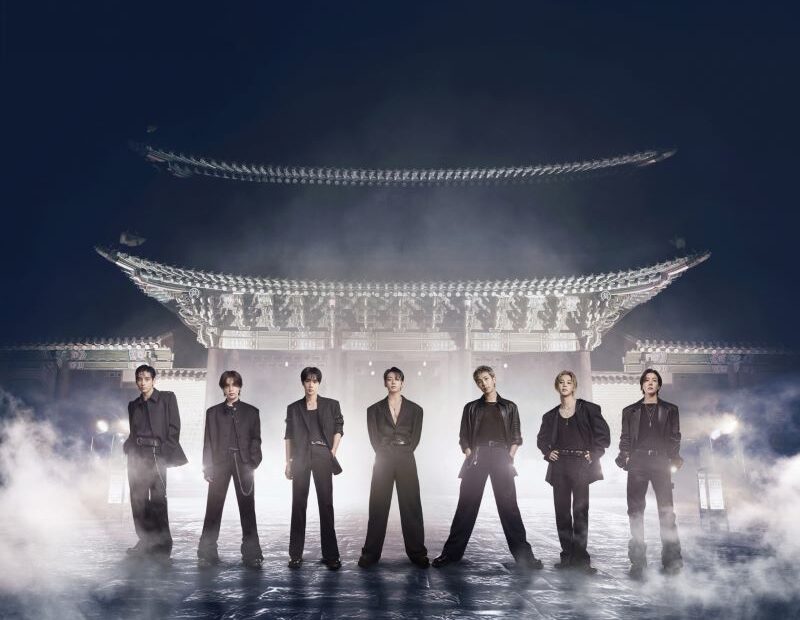
In a surprising turn of events on the October 16th episode of MBC’s iconic variety show ‘Radio Star,’ Minami of the rising group Recine officially declared the ‘graduation’ of her signature viral catchphrase, ‘Yaho.’ While casual viewers might view this as a lighthearted moment of comedic timing, industry insiders recognize this as a pivotal move in the group’s brand evolution. Having become a household meme that transcended the standard K-pop bubble—reaching the likes of BTS and G-Dragon—the ‘Yaho’ phenomenon provided Recine with invaluable early-stage visibility. Now, as the group transitions out of this viral phase, the move to shelf the catchphrase marks a conscious effort to pivot toward a more sophisticated, artist-driven identity.
The Viral Gateway: How ‘Yaho’ Fueled Recine’s Market Penetration
To understand the weight of this decision, one must look at the trajectory of Recine’s recent chart successes. The ‘Yaho’ catchphrase, rooted in an aesthetic and vocal style inspired by Minami’s mother’s nostalgic influence, became a social media juggernaut. In the modern K-pop ecosystem, where the ‘first-mover advantage’ of a viral trend can define a rookie group’s career, Minami’s unintentional catchphrase served as a potent marketing engine. It effectively lowered the entry barrier for general public recognition, a feat that usually requires massive advertising budgets. When figures as influential as G-Dragon participate in a rookie group’s trend, it signals a shift in market perception—transforming the group from ‘newcomers’ to ‘cultural fixtures’ in the eyes of the domestic Korean audience.
However, relying on a singular viral hook comes with significant long-term risks, often termed the ‘variety idol’ trap. History in the K-pop industry is littered with artists who struggle to shed the persona established by a breakout variety moment. By announcing a formal ‘graduation’ from the phrase, Minami and the agency are signaling to the industry that they are prepared to shift their brand value from a novelty act to a sustainable musical force. This mirrors the strategic career shifts seen by legacy groups who eventually moved away from their early, eccentric variety personas to embrace a more mature, performance-centric image that appeals to both global markets and critical tastemakers.
The Business of Viral Trends vs. Long-Term Brand Equity
The transition from viral popularity to sustainable brand identity is perhaps the most difficult stage for any management agency. For Recine, the ‘Yaho’ phase provided the ‘reach’ necessary to capture a wide demographic, but it may have potentially clouded the group’s core identity as performers. Agencies are constantly balancing the need for immediate, algorithmic-friendly exposure with the long-term necessity of building a brand that can sustain a world tour. The table below illustrates the critical difference between the tactical use of trends and the strategic maintenance of a group’s professional image.
| Metric | Viral ‘Yaho’ Phase | Post-Graduation Strategy |
|---|---|---|
| Primary Goal | Broad Awareness (General Public) | Loyal Fandom Retention (Core Fans) |
| Platform Focus | Short-form Content (Reels/TikTok) | Comeback Releases & Performances |
| Market Perception | Relatable/Comedic | Professional/Artistic |
Navigating the Fandom Ecosystem
Fan community sentiment regarding such pivots is typically nuanced. While fans thrive on the relatable, ‘human’ side of their idols—which catchphrases provide in abundance—they also express a desire for their favorite artists to be taken seriously in the music industry. The reception of Minami’s announcement on ‘Radio Star’ highlights this tension. Fans often appreciate the humor, but they are also protective of the members’ dignity, wary of the idol being reduced to a one-dimensional character. By taking control of the narrative, Minami has managed to pivot gracefully, maintaining her reputation as a witty variety presence while simultaneously reclaiming her agency over the group’s artistic identity.
Furthermore, the participation of show MCs like Yoo Se-yoon—who playfully protested the retirement of the catchphrase—demonstrates the cultural weight of such moments in Korea. It underscores that in the high-stakes world of K-pop, an idol’s ability to navigate variety media is just as important as their vocal capability. Yet, the consensus among observers is that if an artist stays in a ‘gag-focused’ lane for too long, it can cannibalize their chart performance, as casual listeners may struggle to switch their perception from ‘entertainer’ to ‘musician.’ This graduation is therefore a calculated reclamation of space in the market.
Looking Ahead: What’s Next for Recine?
The decision to retire ‘Yaho’ at this specific juncture suggests that Recine’s management is looking toward a high-impact comeback. In the K-pop industry, a shift in persona is almost always a precursor to a shift in concept. Whether it implies a darker, more dramatic musical shift or a sleek, high-fashion rebrand, the departure from a lighthearted catchphrase gives the group the aesthetic ‘blank slate’ needed to introduce their next chapter. This pivot is not just about a word; it is about establishing a trajectory that values artistic depth over algorithmic virality.
As Minami moves forward, the challenge will be to translate the immense public recognition gained during the ‘Yaho’ era into long-term stream counts and concert ticket sales. If successful, this will go down as one of the most effective transitions in recent industry history—a case study in how to leverage a viral moment to build a foundation, and then knowing exactly when to step off the ledge to let the music speak for itself. We anticipate that the next phase of their career will focus heavily on musical growth, aiming to solidify their place in the upper echelon of the current generation of K-pop acts.