When BTS member Jungkook steps into the frame for a brand campaign, the industry expects more than just a model showcasing apparel; it anticipates a curated performance. With the recent unveiling of the 2026 Fall ‘Feel the Fit’ denim campaign for Calvin Klein, the global pop icon has once again redefined the intersection of high-street fashion and rhythmic movement. Rather than a static lookbook, the collaboration emphasizes a sensory experience, blending 90s-inspired denim silhouettes with the kinetic energy of a seasoned performer. This latest project invites viewers to look beyond the surface of celebrity endorsement and into the meticulous process of how an artist harmonizes their personal creative identity with a commercial brand.
The ‘Feel the Fit’ campaign is notable for its specific aesthetic direction, drawing heavily from the nostalgic silhouettes of the 90s. Jungkook is featured in a series of shots sporting straight-leg jeans, baggy cuts, and vintage-washed trucker jackets—a look that bridges the gap between retro Americana and contemporary K-pop style. However, what sets this campaign apart from typical fashion editorials is the conscious integration of music and dance. By incorporating choreography set to ‘My Prerogative’ and ‘Cut the Cake’, the campaign shifts the focus from ‘wearing’ the clothes to ‘living’ in them, using movement to demonstrate the structural integrity and comfort of the denim. It is a masterclass in product demonstration masquerading as artistic expression.
The Architecture of the ‘Performative’ Campaign
Behind the scenes, such high-profile partnerships are rarely just about selecting an outfit. For a global artist like Jungkook, the preparation involves an alignment of personal brand equity and the corporate identity of the house. The artist himself highlighted a crucial aspect of this collaboration: the development of a genuine tactile connection to the material. He noted that through his long-standing tenure with the brand, he has developed a deeper understanding of the specific ‘fit’ and ‘attitude’ of the denim. This is not merely marketing speak; it reflects the exhaustive rehearsals and creative discussions that precede the final shoot, where the artist works with stylists and creative directors to ensure that every movement—a spin, a step, or a slouch—feels authentic to the garment and the music.
The collaboration represents a paradigm shift where the artist is no longer a canvas for the clothing, but an active choreographer who uses the fabric as a tool for rhythmic storytelling.
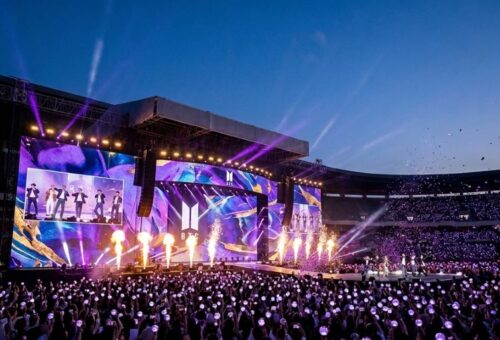
This approach mirrors a broader trend within K-pop where individual members leverage luxury and global brand partnerships to express facets of their personality that may be restricted by group concepts. In the context of his broader career trajectory, this campaign signals Jungkook moving toward a more mature, individualistic artistic brand. While BTS as a group defined the global K-pop boom, Jungkook’s solo endeavors—and his fashion presence specifically—suggest a desire to be seen as a multidimensional artist who occupies space in the fashion world with the same intentionality he brings to a stadium concert.
Analyzing the Industry Evolution
From an industry standpoint, the ‘Feel the Fit’ campaign serves as a case study in why K-pop idols have become the most sought-after entities in global fashion. Traditional Western celebrity endorsements are often criticized for appearing detached or staged. In contrast, the Korean idol model—as exemplified by Jungkook—prioritizes ‘the performance’. By integrating dance, which is the cornerstone of idol training, into a fashion campaign, the content becomes inherently shareable and dynamic. The audience is not just viewing a static product; they are watching a dance challenge, a short-form content piece, and a fashion editorial simultaneously. This hybridity is what makes K-pop stars the gold standard for global marketing in the digital age.
Furthermore, the focus on the 90s aesthetic is a calculated industry move. By tapping into the vintage denim trend, Calvin Klein effectively captures the zeitgeist of Gen Z and Millennial audiences, while utilizing Jungkook’s massive, cross-generational reach to validate the trend. It is a symbiotic relationship: the brand gains the ‘cool’ factor of a global icon, and the artist secures a platform that allows for a distinct, stylish, and highly professional creative outlet during a time when group promotions might be paused. This mirrors patterns seen with other global ambassadors, where the partnership becomes a second stage for the artist’s musical and visual growth.
Community reaction to such campaigns is consistently enthusiastic, yet increasingly analytical. Fans today are not just consuming the photos; they are dissecting the aesthetic choices, the music selection, and the quality of the production. There is a palpable sense of pride in the fandom when an artist is treated as a creative partner rather than a mere face of a brand. This resonates because it validates the ‘all-rounder’ status of K-pop idols—the idea that they are not just singers or dancers, but complete creative entities capable of influencing global fashion cycles.
Looking Toward the Future
What does this mean for the next phase of Jungkook’s professional journey? As the landscape of K-pop continues to move toward a model of hyper-individualized branding, we can expect to see more of this ‘performative fashion’. Future campaigns will likely push even further into the integration of audio-visual media, perhaps moving toward short-form narrative films or more elaborate motion-graphics-integrated shoots. The ‘Feel the Fit’ campaign sets a high bar for this, establishing that the future of fashion marketing lies in the synergy between rhythm and attire.
Ultimately, this project serves as a reminder that the global power of K-pop is rooted in its attention to detail. Whether it is a two-minute song or a ten-second fashion reel, the commitment to production quality and artistic intention remains the driving force. Jungkook has successfully positioned himself as an icon who is as comfortable in a vintage denim jacket as he is in a tailored stage costume, proving that for the modern idol, the brand is whatever they choose to wear, and the performance is wherever they choose to stand.