In a landscape where visual identity is as crucial as the music itself, the intersection of high-end tailoring and idol culture has always been a powerful engine for industry trends. Recent reports spotlighting the legacy of master tailors who have dressed global icons like BTS and trot superstar Lim Young-woong reveal a significant strategic shift: these sartorial architects are now pivoting their focus toward the 40-60 demographic. While K-pop has long been the primary catalyst for youth-oriented street style and experimental luxury, this pivot signals a maturation in how heritage fashion brands leverage the cultural authority of Korean superstars to bridge the gap between generational markets. This development marks a departure from traditional endorsement models, suggesting a more nuanced approach to how style is disseminated across diverse age brackets.
Redefining the Idol-Designer Relationship
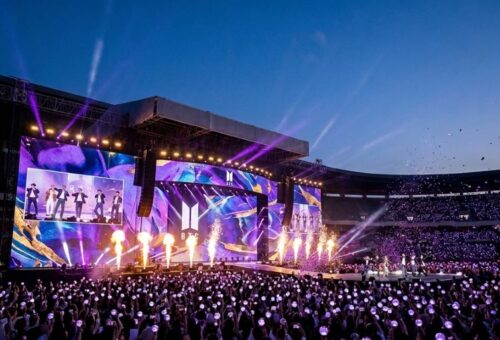
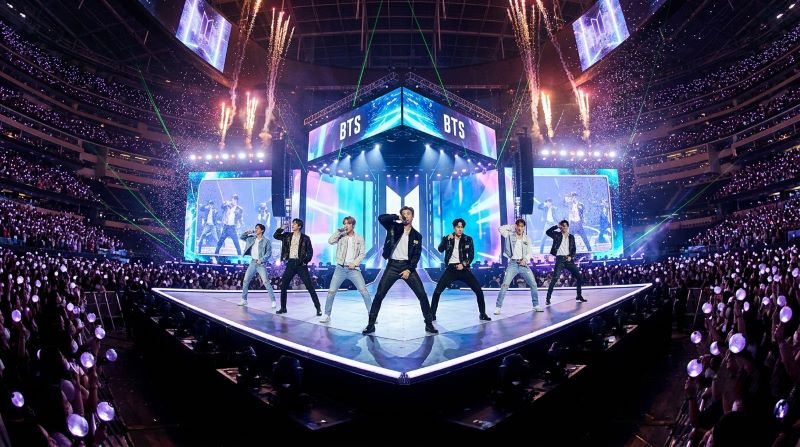
To understand the gravity of this shift, one must look at the historical trajectory of idol fashion partnerships. Historically, the relationship between a high-end menswear label and a K-pop act like BTS was defined by exclusivity and aspirations of a younger, high-spending fanbase. When the members of BTS donned custom tailoring for their stadium tours or award show appearances, the goal was to create a halo effect that equated these brands with global relevance, energy, and youth. Similarly, Lim Young-woong has redefined the visibility of mature-market stars by maintaining a sartorial standard that appeals to the refined tastes of older generations while keeping a firm grip on the emotional investment of his massive fanbase. The distinction today is that brands are no longer using these icons solely to capture the attention of the ‘Gen Z’ consumer, but are instead leveraging the ‘halo effect’ to legitimize luxury menswear for the aging, affluent demographic that is increasingly interested in timeless, ‘London-style’ tailoring.
This transition mirrors a pattern seen during the early 2010s when K-pop groups first began to break into the luxury market. At that time, the strategy was to position groups like Big Bang or TVXQ as conduits to the avant-garde, pushing boundaries through bold colors and unorthodox silhouettes. Today, the focus has shifted toward the ‘modern classic.’ By utilizing the same master tailors who curated the looks for stadium-filling idols, brands are essentially signaling to the 40-60 demographic that they do not need to abandon their desire for quality to stay relevant. This suggests a calculated industry move: if an artist as widely respected as Lim Young-woong can command the stage in high-end suiting that balances traditional structure with contemporary nuance, the barrier to entry for the average older consumer to adopt more refined, expensive clothing is lowered.
Comparing the Eras: The Transition to Longevity
When comparing this moment to the past, the difference is found in the ‘permanence’ of the aesthetic. Ten years ago, idol fashion was often transient and hyper-seasonal, designed to change with every comeback. Today, we are seeing a move toward ‘heritage branding.’ For instance, look at the evolution of brands like Daks or similar heritage-based menswear houses in Korea. In the past, these labels struggled to connect with anyone outside of their core, older loyalists, often failing to capture the vibrant energy of the K-pop industry. Now, by collaborating with figures who possess cross-generational appeal, these brands are positioning themselves as lifestyle staples rather than just makers of occasion wear. This is a far cry from the ‘fast-fashion’ explosion of the mid-2010s where trends were dictated by rapid-fire social media cycles; this current movement prioritizes longevity and the ‘timeless’ appeal that resonates with a buyer who values craftsmanship over fleeting hype.
The community reaction to such shifts in the K-pop and broader Korean pop culture space is generally one of approval and deepened parasocial connection. Fandoms take pride when their favorite artists are recognized for their influence on high-culture industries, viewing these professional milestones as proof of their favorite artist’s ‘stature.’ For the 40-60 demographic, this shift is met with a sense of validation. There is a palpable cultural pride in seeing their interests—whether it is the sophisticated ballads of a trot icon or the global prestige of a boy band—being acknowledged as the ‘gold standard’ for fashion. This creates a feedback loop where the artist remains relevant by influencing multiple generations simultaneously, while the fashion industry gains a reliable, high-spending audience that views these aesthetic choices as an investment in personal identity.
Looking Ahead: The Future of Cross-Generational Style
What does this mean for the future of the industry? As we move further into this decade, we should expect to see the lines between ‘idol fashion’ and ‘lifestyle tailoring’ become increasingly blurred. The industry is moving away from the era of distinct youth-versus-adult markets and toward a unified vision of premium aesthetics. We are likely to see more collaborations that emphasize the ‘master tailor’ narrative, where the focus is on the human element and the skill behind the garment, rather than just the brand name. This shift suggests that the next generation of K-pop marketing will be less about the immediate, impulsive ‘sell-out’ of a t-shirt and more about building a long-term, prestige-driven narrative around how an artist curates their life and legacy.
Ultimately, this convergence of interests—from the stage to the wardrobe—reflects the changing nature of cultural influence in South Korea. The idols of today, through their matured and refined fashion choices, are paving the way for a more sophisticated retail landscape. As these artists grow older alongside their fans, their influence acts as a bridge, allowing the industry to evolve while maintaining the core connection that defines the fandom experience. By shifting the lens toward the 40-60 demographic, the industry isn’t leaving its roots behind; it is simply ensuring that its influence continues to grow, proving that style, like music, has no age limit. We are witnessing the maturation of the ‘idol brand,’ where the focus has evolved from capturing a single moment of fleeting popularity to creating a lasting mark on the cultural lexicon of a nation.