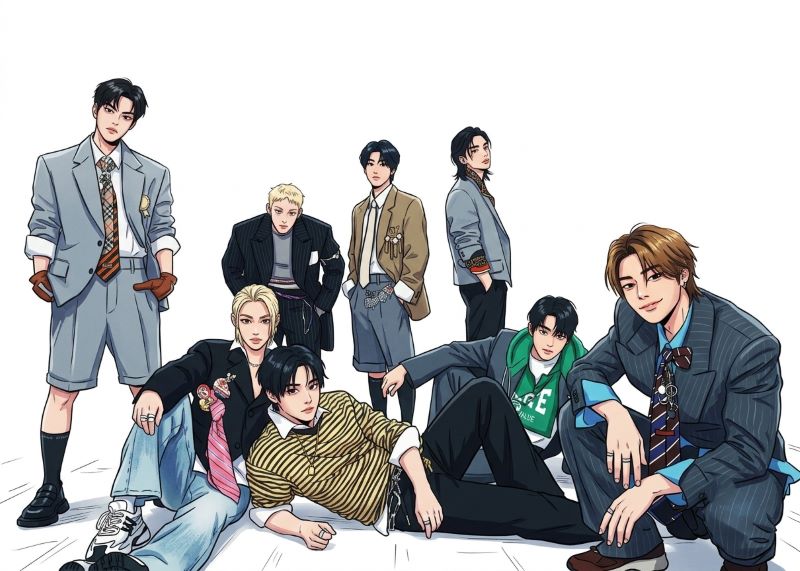
When Stray Kids leader Bang Chan stepped into Incheon International Airport on September 23, the fashion world caught a glimpse of something more profound than a simple airport transit. Dressed in a navy ribbed knit paired with classic denim, he exuded the quintessential ‘boyfriend look’ that has become a staple of K-pop idol styling. However, behind the effortless aesthetic of his ensemble—accented by a Fendi ‘Peekaboo’ tote and ‘Fendi Faster’ sneakers—lies a complex, high-stakes choreography of production, brand alignment, and the grueling logistics of the global fashion circuit. His departure for the Fendi 2027 S/S women’s collection in Milan marks not just a personal milestone for the artist, but a strategic intersection of high-fashion house aspirations and the massive influence of K-pop leadership in a shifting global market.
The Architecture of an Airport Transit: Beyond the Surface
To the casual observer, a celebrity airport departure is a fleeting moment of aesthetic display. Yet, the preparation required for this specific appearance is a testament to the immense coordination between artist management and luxury houses. Bang Chan’s look was not merely a choice of clothing; it was a curated signal of his evolving role as a bridge between youth-driven K-pop dynamism and the refined, long-standing heritage of a house like Fendi. Behind the scenes, these looks are rarely spontaneous. They represent a weeks-long process of sizing, mood boarding, and logistical scheduling that must account for the idol’s intense touring and recording cycle. The decision to select a ribbed knit—a texture that provides depth and structural interest without the distraction of bold patterns—speaks to a deliberate shift toward ‘quiet luxury,’ a trend that has increasingly dominated the wardrobes of top-tier idols who are moving away from maximalist branding to focus on silhouette and material quality.
This shift is particularly significant when considering the Fendi collection he is traveling to witness. With Maria Grazia Chiuri leading the creative direction, the house is currently navigating a period of intense re-definition. For an artist like Bang Chan, whose work with Stray Kids involves a heavy emphasis on self-production and creative autonomy, aligning with a brand that is currently rewriting its own creative blueprint creates a compelling narrative. The ‘Peekaboo’ bag and the ‘Faster’ sneakers serve as tactical accessories, grounding the outfit in a utilitarian functionality that resonates with the practical, fast-paced lifestyle of an international touring artist. The engineering of this look reflects the broader industry trend where the airport has become the runway, a space where the narrative of the idol is constructed in real-time, often under the scrutiny of thousands of lens-focused fans.
Industry Trends: The Idol as a Global Style Architect
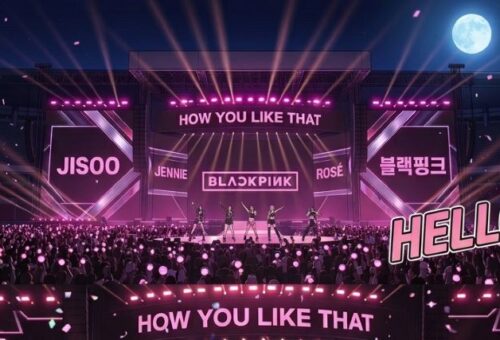
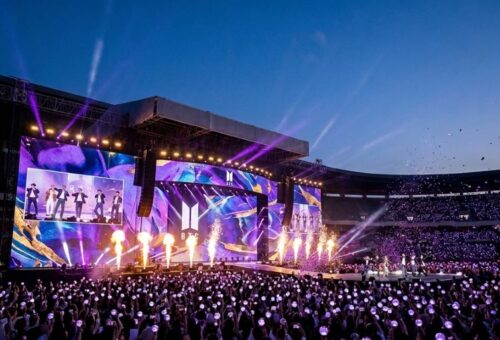
The rise of K-pop members as front-row staples at major European fashion weeks signals a departure from the traditional celebrity-brand endorsement model. Historically, luxury houses treated entertainment stars as face-value ambassadors. Today, that relationship has evolved into a creative dialogue. Bang Chan’s presence at the Fendi 2027 S/S show suggests that the industry views him not just as a billboard, but as a tastemaker whose own aesthetic sensibilities can influence a brand’s demographic reach. When an idol with the reach of a Stray Kids member adopts a specific style, the impact on sales and social media engagement is immediate and measurable, often outperforming traditional supermodel endorsements. This mirrors a pattern seen with other major groups like BTS or BLACKPINK, where the idol’s personal brand is inextricably linked to the fashion narrative, creating a self-sustaining cycle of global trend-setting.
This transition also reflects the K-pop industry’s growing maturity. As artists like Bang Chan take more control over their artistic output, their fashion choices become extensions of their creative identity. The choice of navy and denim, while appearing simple, utilizes a sophisticated color palette that suggests a ‘grown-up’ transition, moving away from the high-energy, costume-heavy styles of earlier comeback eras. For a leader of a group as intensely successful and commercially demanding as Stray Kids, the ability to pivot between the stage performer and the fashion-forward minimalist is essential. It signals to the industry that the artist is not merely a product of a management team, but a multifaceted professional capable of holding space in the most elite creative circles in Milan and Paris.
Community Sentiment and the Future of Idol Fashion
Within the fandom, reactions to these appearances are rarely just about the clothes. For Stay, the excitement stems from witnessing the recognition of the group’s influence on a global stage. The discourse usually centers on how the styling represents the artist’s personality—fans look for the ‘Chan-isms’ in the look, such as his preference for comfort and functionality, which remain hallmarks of his public persona. There is a collective pride in watching an artist evolve from an idol to a global fashion icon, with communities often conducting deep-dive analyses into the history of the pieces worn. This level of engagement provides an intangible value to the brand, as fans are not just passive consumers but active participants in the brand’s lore.
Looking ahead, we can expect this relationship between K-pop idols and luxury fashion houses to deepen even further. We are moving toward a future where idols will likely have a more direct hand in the design process, potentially leading to capsule collections that blend the grit and energy of K-pop with the archival elegance of European houses. For Bang Chan, this trip to Milan is a critical stepping stone. It validates his status as an individual force in the industry, distinct from his identity as a group leader. As Fendi moves into its new era under its current creative leadership, having a figure like Bang Chan in the front row provides a necessary anchor to the younger, more digitally savvy audience. The next phase of this partnership will likely involve more collaborations, perhaps moving beyond the runway into creative project partnerships that redefine what it means to be a modern global superstar in an era where the lines between music, fashion, and technology are blurring completely.