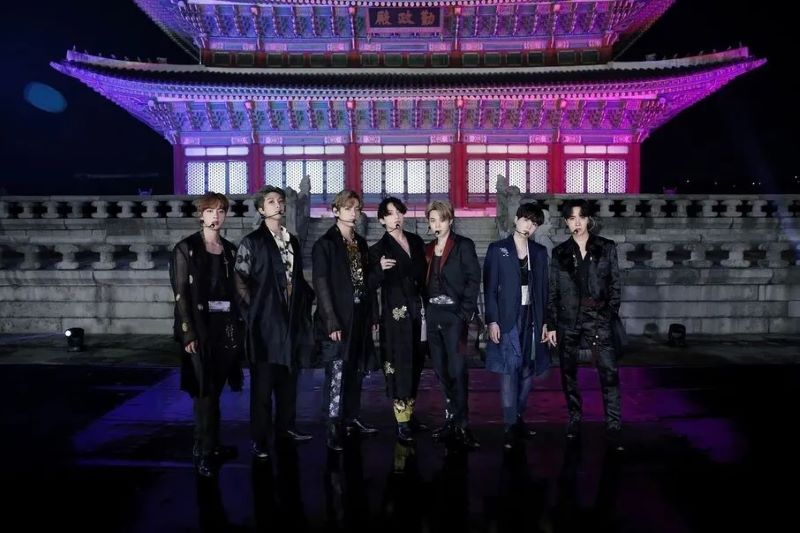
When we think of K-pop, we often think of stages, dance practices, and record-breaking streams. Yet, the aesthetic legacy of global icons like BTS has been shaped just as much by the physical artifacts left in their wake. Recently, the spotlight has turned to the legendary artist Coolrain, a pioneer of the Korean art toy scene who is celebrating 20 years of craftsmanship. His retrospective exhibition, showcasing 300 pieces of his work, serves as a poignant reminder of how art toys became the bridge between ephemeral idol performances and permanent, physical fan collection culture.
For those uninitiated in the deeper lore of K-pop collectibles, Coolrain is not merely a sculptor; he is the visionary who transformed the way fans perceive their idols through his collaborations with BTS and the NBA. By translating the complex personas of group members into stylized figurines, he helped legitimize the art toy movement within the idol industry, elevating ‘merch’ into a form of high-concept visual art that fans crave as tangible extensions of their fandom identity.
Bridging Fandom and Artistry
The significance of this exhibition extends far beyond the plastic molds and painted features of his creations. In the evolving landscape of K-pop, the ‘idol toy’ has become a cultural signifier of status and emotional connection. Fans view these figures not just as accessories, but as artistic manifestations of specific eras in their favorite groups’ careers. The sentiment radiating through online fan communities following the news of his 20-year retrospective has been one of immense nostalgia. Many fans have taken to social media to share photos of their vintage Coolrain collections, framing these pieces as ‘relics’ of the early, formative years of their journey with the group.
This emotional resonance is rooted in the idea of preservation. K-pop is often criticized for being fleeting—a constant cycle of comebacks and trends. By cementing the images of these artists into high-quality, limited-run physical figures, artists like Coolrain provide a ‘fixed’ point in time. For a global fanbase, these toys offer a way to hold onto the magic of a specific concert cycle or concept photo shoot long after the music stops playing on the charts.
A Legacy of Industry Collaboration
To understand why Coolrain’s work remains the gold standard, one must look at how his career tracks with the maturation of the Korean creative economy. He began his journey long before K-pop’s current saturation of the global market, during a period where domestic creators were struggling to bridge the gap between niche collector culture and mainstream appeal. His work with BTS served as a catalyst for a paradigm shift, proving that collaborations between high-end artisans and pop idols could yield products that appeal to both hardcore collectors and casual fans alike.
| Era/Metric | Initial Concept | Post-Collaboration Impact |
|---|---|---|
| Market Perception | Niche hobbyist product | Mainstream K-pop collectible |
| Artist Prestige | Independent underground artist | Iconic industry-shaping visionary |
This development mirrors a broader pattern seen in contemporary K-pop: the move toward ‘lifestyle branding.’ Today, it is common to see idols endorsing luxury fashion houses or launching their own creative design studios. Coolrain was among the first to anticipate this trajectory, positioning the idol-fan relationship as one built on the appreciation of aesthetic craft rather than just passive consumption. His influence can be felt in the design language of current lightsticks, concert goods, and album packaging, all of which now prioritize the same level of granular detail that he pioneered in his original sculptures.
Community Sentiment and the Future of Collecting
Within global fan communities, the discourse surrounding the exhibition has been surprisingly analytical. Fans are not just admiring the aesthetic value; they are discussing the history of the industry itself. There is a palpable sense of pride among long-term supporters who view these figurines as essential components of the group’s historical archive. The consensus among online forums is that these physical items represent a ‘golden age’ of collaboration—an era where the artistic vision of an individual creator could deeply influence the visual identity of a global phenomenon.
The mood is distinctly retrospective, marked by a sense of gratitude for the stability that these items provided during years of rapid change in the music industry. Many fans describe the act of collecting these figures as an anchor—a way to maintain a tangible connection to the group through shifts in their musical direction or military service hiatuses. This emotional attachment explains why, even after two decades, interest in Coolrain’s work shows no sign of waning. It suggests that the future of K-pop merch lies not in mass-produced plastic, but in objects that possess a clear ‘human touch’ and narrative depth.
Looking forward, the success of this retrospective signals that the industry is likely to double down on ‘collector-grade’ merchandise. We may see a rise in more partnerships between K-pop labels and renowned contemporary artists, moving away from standard manufacturing toward limited-run, bespoke artistic projects. As the current generation of fans continues to grow older, the demand for high-quality, shelf-worthy memorabilia that honors the artistry of their idols will only increase. Coolrain’s legacy is a testament to the fact that when music meets sculpture, the result is a lasting cultural imprint that transcends time and space, remaining relevant long after the initial ‘drop’ date.