The recent victories at the 2026 Aichi-Nagoya Asian Games have once again ignited a fierce, long-standing debate within South Korean society: the intersection of elite sports achievement and mandatory military service. While athletes like Yeo Seo-jeong continue to make history with their gold-medal performances in gymnastics, and the canoe sprint team pushes boundaries with unprecedented wins, the public discourse remains heavily tethered to the ‘military exemption’ policy. This recurrent friction highlights a profound national struggle to define what constitutes ‘national contribution’ in an era where global cultural influence, epitomized by the immense success of K-pop giants like BTS, competes with traditional athletic prowess for the same societal recognition.
The Unseen Mechanics of Athletic Sacrifice
To understand the depth of this issue, one must look beyond the gleaming gold medals and the immediate roar of the crowd. The preparation for the Asian Games is a grueling, multi-year commitment that often demands the complete suspension of an athlete’s personal and academic life. Unlike the common perception of a quick transition from training to the podium, these athletes endure punishing physical regimens and mental strain in relative anonymity for years. Behind the scenes, the pressure to secure a medal is not just about personal glory or national pride; it is often the only accessible path to avoiding a career-halting military interruption. This creates a high-stakes environment where the quality of one’s future—and their ability to remain at the top of their field—is essentially tied to the outcome of a few minutes of performance in a single tournament.
This pressure creates a distinct paradox in South Korean sports culture. While the public celebrates these victories, there is an underlying acknowledgment of the fragility of these athletes’ careers. When a gymnast or a canoeist stands on the podium, they are not just winning a contest; they are securing a reprieve from a two-year service period that could permanently dim their physical agility and competitive edge. The industry’s reliance on this medal-based system effectively turns every international sporting event into an existential crisis for the participants, a reality that is often sanitized in mainstream media coverage which prefers to focus exclusively on the triumph rather than the structural anxiety that precedes it.
The Cultural Shift: K-pop and the National Identity Crisis
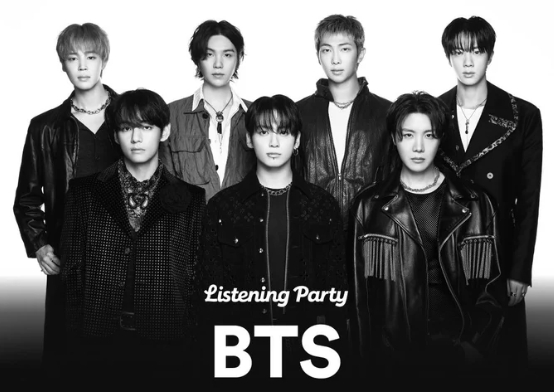
The conversation becomes particularly volatile when the public compares these athletic exemptions with the experiences of K-pop idols. When fans observe the global cultural dominance of groups like BTS—who contributed billions to the national economy and enhanced the country’s soft power significantly—only to witness them eventually fulfill their military obligations, a sense of dissonance emerges. This is not to diminish the achievements of athletes, but rather to question the rigidity of a system that dates back to a different era. The policy was originally designed to foster national prestige through physical excellence, but in the digital age, ‘prestige’ has taken on a much broader definition that includes music, cinema, and technology.
This suggests a growing disconnect between outdated government frameworks and contemporary societal values. Historically, physical sports were the most visible markers of national competence on the world stage. Today, however, a K-pop idol’s sold-out stadium tour in Europe or North America acts as a far more effective tool of public diplomacy. The fact that the debate persists implies that the South Korean government is struggling to reconcile the ‘hard power’ legacy of the mid-20th century with the ‘soft power’ reality of the 21st. It mirrors a pattern seen in other rapidly modernized nations where institutions are often the last to catch up to the changing landscape of national pride and contribution.
Navigating the Fandom Sentiment and Public Outlook
Within the K-pop fandom community, the discourse regarding military service is often characterized by a protective, albeit frustrated, sentiment. Fans are acutely aware of the logistical preparations—and the career-stalling consequences—that come with an idol’s enlistment. When news of an athletic exemption breaks, it frequently triggers intense discussions on online forums and social media platforms. The sentiment is rarely one of animosity toward the athletes, but rather a reflection of a deep-seated desire for equity. There is a prevailing sense of ‘why not them, too?’ that stems from an appreciation of the sheer volume of work and economic impact cultural icons provide to the nation.
This resonance speaks to a broader cultural fatigue with the current military service landscape. For the average citizen, the binary of ‘exempted athlete’ versus ‘enlisting artist’ feels increasingly arbitrary. The discussion has moved beyond simple fairness to a broader philosophical questioning of how a nation values its citizens’ contributions. As the 2026 Asian Games continue to produce new stars, the public seems increasingly skeptical of a system that insists on rigid hierarchies of value, preferring a more nuanced approach that recognizes the different ways individuals uphold the national banner.
What Lies Ahead for the Policy Debate
Looking toward the future, the intensity of this debate suggests that a policy overhaul may eventually become inevitable. As the lines between ‘traditional’ sports, esports, and the creative arts continue to blur, the criteria for exemptions will likely face even more public pressure. The South Korean government might soon find that maintaining the status quo is politically untenable, particularly as younger generations who grew up with globalized, digital-first heroes enter the electorate. The government’s recent attempts to find ‘secret weapons’ to attract global talent or boost domestic morale are indicators that they are aware of their eroding influence in the public eye.
In the coming years, we can expect to see a shift toward more formalized discussions about ‘cultural service’ or alternative modes of contribution. Whether or not these changes are implemented, the very act of debating these issues serves as a barometer for how South Korea views its place in the world. As the 2026 Asian Games fade into memory, the questions raised about fairness, merit, and national identity will persist, serving as a reminder that every gold medal won is also a point of departure for a much larger, more complex national conversation about what it truly means to serve one’s country in a globalized era.