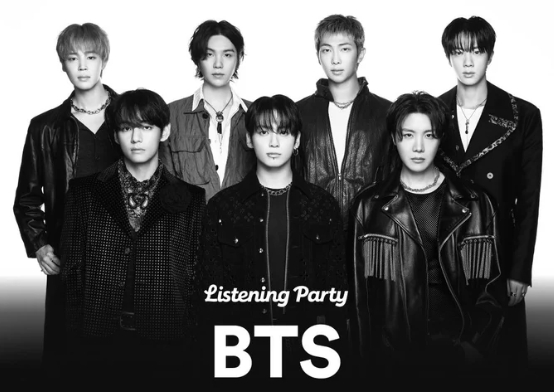
The recent athletic performance of the Korean national baseball team at the Asian Games has ignited a firestorm of public discourse, unexpectedly drawing BTS into the heart of a national debate over duty, privilege, and the meaning of contribution to the state.
The Korean national baseball team, a roster stacked with professional elite players, recently suffered a crushing 0:5 defeat against Japan in the opening round of the Asian Games Super Round. The loss was not merely a disappointment on the scoreboard; it was an existential shock to the Korean sporting establishment. Japan, famously cautious about risking their professional talent in international tournaments that could disrupt their domestic league, opted to field a squad composed of corporate team players—essentially working professionals who play baseball as part of their company’s extracurricular or specialized industrial leagues. The disparity between Korea’s professional stars and Japan’s corporate squad has brought the issue of military service exemptions for athletes back to the forefront of the national consciousness.
The Convergence of Pop Culture and National Duty
To understand the intensity of this reaction, one must view it through the lens of Korea’s evolving relationship with military service. For decades, the South Korean government has provided military service exemptions or alternative service opportunities to athletes and classical musicians who achieve top-tier international success. This was framed as a form of ‘national promotion,’ rewarding individuals who elevated Korea’s global brand. However, the cultural landscape shifted dramatically when the members of BTS, arguably the most successful cultural export in the nation’s history, began enlisting in the military one by one. Their decision to serve, despite having the leverage and massive global influence to potentially negotiate alternative paths, effectively recalibrated the social contract between celebrities and the public.
When the news of the baseball team’s loss broke, the online reaction was swift and unforgiving. Across platforms like Naver, Nate, and various community forums, the mood shifted from standard sports critique to a profound questioning of equity. Fans across Korea, many of whom identify as part of the massive ‘ARMY’ collective, have been vocal in their assessment. The prevailing sentiment is not necessarily one of spite toward the athletes, but rather a frustration regarding the perception of fairness. The contrast is stark: the world’s biggest stars, who spent a decade breaking records and putting Korea on the global cultural map, have fulfilled their duties as citizens, while professional athletes in a sport with limited global reach are seen as having a relatively ‘easy’ path to exemption through regional tournaments. This has created a visceral emotional response among the public, who now view the BTS enlistment as the ‘gold standard’ for patriotic sacrifice.
The Fan Perspective: Why the Comparison Matters
For international fans, this nuance might seem detached, but for the local fan community, it is deeply personal. K-pop fandoms in Korea operate within a culture that highly values ‘sincerity’ and ‘humility.’ When BTS chose to embrace the duty of enlistment, they reinforced their status as cultural icons who do not see themselves as above the law or societal expectations. The recent backlash against the baseball team stems from a perceived lack of parity. If a cultural powerhouse like BTS follows the standard path, why should a professional athlete receive a lifetime of exemption benefits for winning a tournament where the competition pool is limited to just a few Asian nations? This reflects a growing demand for equality in how the state evaluates ‘service’ to the nation.
The discourse on social media has been characterized by a sharp, logical critique rather than just mindless criticism. Many fans have pointed out that the Asian Games for baseball are essentially a three-way contest between Korea, Japan, and Taiwan. To grant permanent military exemption for a medal in this context, when compared to the rigorous, multi-year service undertaken by young men across the country—including world-class artists—is being labeled as an outdated administrative relic. Fans are asking for a modernization of these policies, suggesting that if exemptions are to exist, they should perhaps be limited to amateur players who are still in the developmental stages of their careers, rather than seasoned pros who are already earning significant livelihoods in the domestic league.
Looking Ahead: A Shift in Societal Expectations
This incident serves as a significant bellwether for how Korean society views privilege and duty in the age of global soft power. The days when ‘national prestige’ automatically excused individuals from service are coming to an end. The BTS effect has permeated the public consciousness so deeply that it has become a yardstick for all other public figures. The government, and by extension the athletic governing bodies, now faces immense pressure to overhaul systems that many citizens feel are disconnected from modern realities. Future debates regarding exemptions for esports stars, classical musicians, and athletes will undoubtedly be measured against the standard set by the members of BTS.
As the Asian Games continue, the scrutiny on the Korean baseball team will likely remain high. The controversy acts as a reminder that in the eyes of the public, the path to exemption is no longer a guaranteed reward for professional output but a contentious issue of social equity. Whether the government responds with policy reform remains to be seen, but the message from the public is clear: the era of blind acceptance of special treatment is waning. The intersection of sports and K-pop fandom, though seemingly disparate, has converged on a singular point of national pride—that true success, regardless of one’s professional field, is defined by the ability to stand alongside one’s fellow citizens, regardless of their own professional standing, to uphold the common duty to the nation.