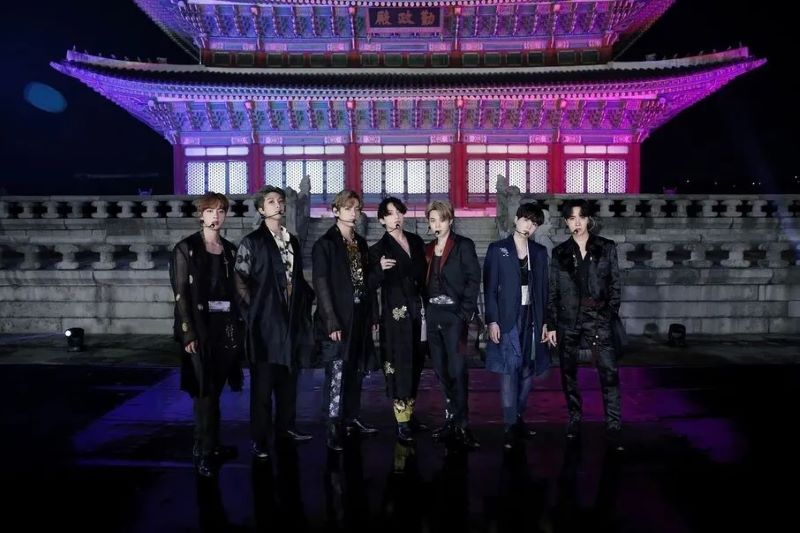
The Recording Academy’s decision to maintain the ‘Best African Music Performance’ and other specialized global categories, while keeping K-pop under the broader ‘Asian Pop’ umbrella—despite ongoing calls for greater recognition and internal boycotts—has reignited a long-standing debate within the music industry. As the K-pop phenomenon continues to shatter traditional chart barriers and redefine the global pop landscape, the Grammys’ approach to categorizing these artists remains a point of contention. This situation brings to the surface the growing friction between the slow-moving institutional structures of prestigious award bodies and the rapidly shifting reality of global music consumption.
The Anatomy of the Grammys and K-Pop Dilemma
To understand the current tension, one must ask: Why does the categorization of K-pop matter so much to the global fandom? For years, the Grammy Awards have been criticized for their perceived rigidity in acknowledging non-Western musical dominance. While BTS and other powerhouse groups have achieved unprecedented levels of success, they are often relegated to niche categories or treated as outsiders rather than industry leaders. This decision to ‘stay the course’ regarding Asian pop classification, even amidst protests, suggests that the Academy is prioritizing a Eurocentric framework over the organic, borderless evolution of modern pop music.
A second, crucial question is: How does this specific policy reflect the broader career trajectory of K-pop titans like BTS? BTS’s journey to the top has always been defined by their refusal to be confined by language or genre. When artists choose to boycott or distance themselves from systems that fail to recognize their impact, it is not merely a sign of frustration; it is a calculated assertion of their industry power. Their influence is so massive that the Grammys’ lack of a dedicated K-pop category feels like an increasingly hollow gesture, highlighting the gap between outdated institutional gatekeeping and the modern global zeitgeist.
Analyzing the ‘Asian Pop’ Labeling Strategy
Another point of inquiry is: Does the ‘Asian Pop’ categorization diminish the unique identity of K-pop? From an analytical standpoint, grouping vastly different cultural musical traditions under a singular, geographic banner ignores the specific, high-production standards and unique industry ecosystems that define K-pop. This mirrors patterns seen in earlier decades where international music was often categorized by ‘world’ labels, effectively ‘othering’ non-English media. By failing to differentiate K-pop, the Grammys inadvertently perpetuate an industry structure that views K-pop as a novelty, rather than the dominant pop force it currently represents.
Furthermore, fans often ask: Can a boycott actually force institutional change within the Recording Academy? Historically, music industry institutions are notoriously resistant to change until their relevance is directly threatened by commercial shifts. However, as streaming data and concert ticket sales clearly demonstrate, the power has shifted from the labels to the fans. When major fandoms organize, they aren’t just supporting their idols; they are acting as a collective economic bloc. If prestigious awards continue to disregard the nuances of this industry, they risk alienating the very audience that sustains the global music economy, potentially turning the Grammys into a relic of the pre-digital era.
Future Outlook and the Changing Landscape
The final question for fans to consider is: What does this mean for the next generation of K-pop acts? As the industry continues to expand into new markets across Southeast Asia, North America, and Europe, the need for proper recognition only intensifies. If the Grammys refuse to evolve, we are likely to see the rise of alternative, more inclusive award structures that cater to the global, diverse nature of modern pop. This creates a fascinating power dynamic where K-pop acts might soon find that they don’t need the validation of Western institutions to certify their success; they have already built their own global infrastructure.
Ultimately, this standoff is about more than just a trophy. It is about the definition of ‘pop’ itself. The K-pop industry has successfully blended visual arts, social media engagement, and high-octane performance in ways that Western pop is only now attempting to emulate. The refusal of the Grammys to adapt their categorization is a signal that they are not yet ready to cede their role as the primary arbiter of cultural relevance. However, the trajectory of the industry suggests that the audience has already moved on, rendering the Academy’s stubbornness an increasingly lonely stance in a world where the lines between local and global are permanently blurred.
As we look toward future award seasons, the industry should expect continued dialogue regarding equity and representation. The current status quo is unsustainable in a digital-first music industry where viral hits transcend geographic borders in seconds. Whether the Recording Academy chooses to modernize its categories or continue with its current path, one thing is certain: K-pop is no longer a ‘guest’ at the global table; it is setting the menu. How the industry reconciles these two competing realities will be the defining narrative of the next few years in popular music history.