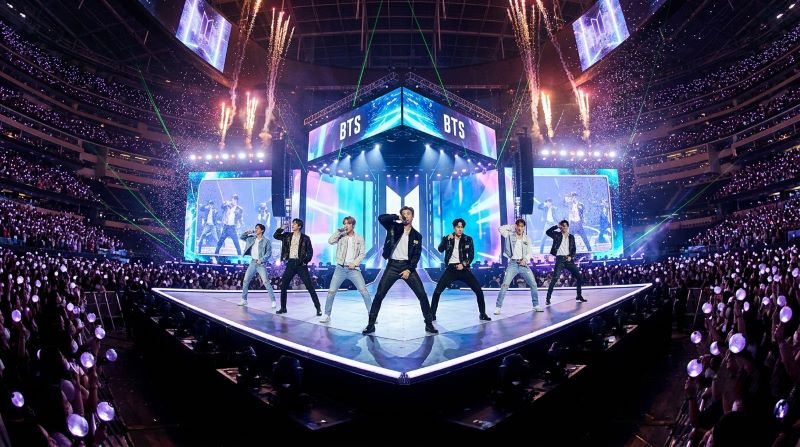
As BTS continues to redefine the boundaries of global stardom, their agency is simultaneously setting a rigorous legal precedent in protecting the members from the dark side of digital fame.
BigHit Music, the agency behind global superstars BTS, has officially signaled that their ‘zero-tolerance’ policy toward malicious behavior is more active than ever. In an update released via the Weverse platform regarding the third quarter of 2026, the label confirmed that multiple individuals responsible for posting defamatory and insulting content across various digital platforms—including Threads, DC Inside, and Naver News—have been issued summary orders for fines. Furthermore, in a landmark move against the predatory practice of ticket scalping, a perpetrator who exploited macro programs and stolen identities to illicitly profit over two billion KRW from concert tickets has been arrested and referred for prosecution. This comprehensive update serves as both a warning to bad actors and a milestone in the agency’s evolving approach to shielding their artists from systemic online harassment and commercial exploitation.
Why is BigHit Music choosing to be so vocal about legal outcomes now?
The decision to publicize these legal actions is not merely about individual justice; it represents a strategic shift in the K-pop industry’s approach to artist management. Historically, agencies often handled legal issues behind closed doors, wary that acknowledging malicious rumors might lend them unwanted legitimacy. However, as BTS’s global footprint has expanded, so too has the complexity of the digital threats they face. By providing consistent, quarterly updates on these legal proceedings, BigHit Music is essentially setting an industry standard for transparency. This creates a psychological barrier for would-be harassers: the knowledge that the company is actively monitoring diverse platforms—from niche forums to mainstream news comment sections—acts as a powerful deterrent. It also demonstrates to the global fandom that the agency is not just a commercial entity, but a vigilant guardian of the human beings behind the brand.
How does this crackdown on ticket scalpers change the concert experience?
The arrest of an individual involved in a two-billion-KRW scalping operation is a significant escalation in the fight for consumer fairness. Scalping has long been the bane of major K-pop tours, effectively pricing out long-term, loyal fans in favor of those willing to pay exorbitant premiums. By pursuing criminal charges under the Performing Arts Promotion Act and obstruction of business, BigHit Music is moving beyond mere ‘ticket cancellation’ policies. This suggests an institutional pivot toward treating ticket manipulation as a serious criminal offense rather than a manageable business nuisance. For the average fan, this is a long-awaited development. When agencies work in tandem with law enforcement to secure convictions—and even submit petitions urging for harsher punishments—it signals a paradigm shift where the protection of the fan community’s access to live performance is prioritized as highly as the financial success of the tour itself.
What does this reveal about the dark side of hyper-connectivity in K-pop?
The inclusion of platforms like Threads and Naver News in the legal report highlights how digital vitriol has evolved. In the early days of K-pop, harassment was often siloed in specific fan-war forums. Today, the landscape is fragmented across global social media apps and mainstream aggregators. The fact that the agency is successfully tracking and prosecuting individuals across these disparate platforms suggests they have invested in sophisticated digital forensic capabilities. This mirrors a broader trend seen throughout the music industry, where high-profile artists are finally pushing back against the culture of impunity that once defined the comment sections of the internet. It highlights a critical irony: the same connectivity that allows BTS to reach millions of hearts also provides a direct pipe for organized, malicious actors to attempt to dismantle their reputations.
How do fans typically process these legal updates?
Within the fandom, these announcements are generally met with a sense of relief and validation. For years, supporters have dutifully reported malicious content through official agency channels, often feeling as though their reports were disappearing into a digital abyss. When a quarterly report confirms that these efforts led to concrete fines and arrests, it reaffirms the efficacy of the reporting systems. More importantly, it helps maintain the morale of the community. In a global landscape where online negativity can feel overwhelming, seeing the agency take proactive legal steps serves as an anchor. It transforms the act of reporting from a chore into a tangible contribution to the artists’ well-being. This sense of collective effort strengthens the bond between the agency and the fandom, fostering a culture of mutual protection that is unique to the K-pop experience.
Where do we go from here: A new era of accountability?
Looking ahead, this development suggests that we are entering an era where the legal infrastructure surrounding K-pop will become as essential as the creative production itself. As AI-generated misinformation and increasingly sophisticated scalping bots grow in prevalence, agencies will likely need to double down on these legal strategies. The precedent set by the arrest of the high-level scalper suggests that legal teams are becoming more adept at navigating complex statutes, which could encourage other labels to adopt similar, aggressive legal postures. Ultimately, this serves as a reminder that the K-pop industry is maturing rapidly. As BTS continues to influence the global stage, the legal safeguards surrounding them will continue to evolve, moving from reactive measures to proactive, systemic defenses that ensure the industry remains a sustainable environment for both the performers and the audiences who sustain them.