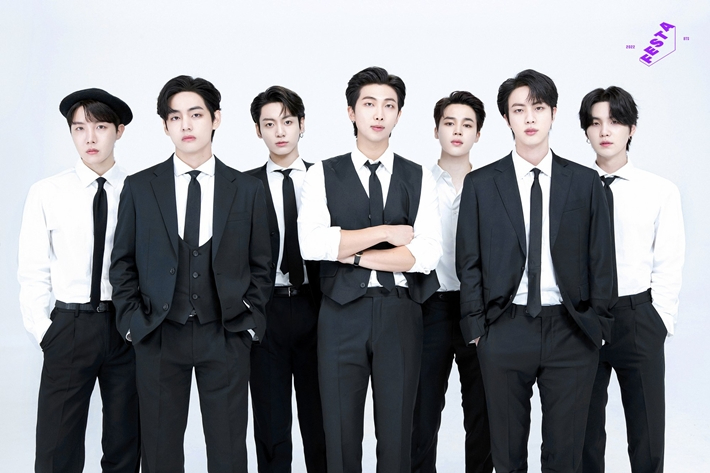
In a sobering development for the K-pop industry, a 30-something individual has been formally referred to prosecutors for operating a massive illegal scalping ring centered on high-profile concerts, including those of global superstars BTS. The authorities revealed that the perpetrator managed to amass enough illicit profit through the systematic reselling of tickets at exorbitant markups to purchase a commercial building—a stark illustration of how the secondary market has evolved into a lucrative, albeit criminal, enterprise that directly exploits the emotional dedication of K-pop fans. This incident serves as a grim reminder of the structural vulnerabilities in concert ticketing and the ongoing battle between fandom passion and parasitic market actors.
To understand the gravity of this situation, one must place it within the wider context of BTS’s career trajectory. Throughout their ascent, the group has transitioned from intimate club stages to sold-out global stadium tours, and with every milestone, the disparity between ticket demand and supply has widened exponentially. In the earlier days, securing a seat was a feat of persistence; today, it is a high-stakes digital arms race. This recent legal intervention highlights the tipping point where scalping shifted from individual opportunism to organized, professionalized crime. It is a cautionary tale of how the success of an artist, which should be celebrated as a victory for art and community, can inadvertently create a ‘shadow economy’ that thrives on the very people who built that success.
The Evolution of Ticket Scalping in the K-pop Ecosystem
The scalping industry has morphed alongside the globalization of K-pop. In the past, scalpers might have hovered outside venues with a few extra paper tickets. Today, they utilize sophisticated automated bots and multi-account strategies to scrape thousands of seats in seconds. This shift suggests that the industry is no longer just fighting amateur opportunists, but organized criminal entities. When a single scalper can leverage enough capital from these illicit gains to invest in real estate, it signals that the current protective measures, such as identity verification and dynamic pricing, are struggling to keep pace with the technological sophistication of the secondary market. This mirrors a pattern seen in other high-demand global markets, such as the NFL’s Super Bowl or major European football finals, indicating that BTS has undeniably reached a level of cultural hegemony that makes their tours a primary target for sophisticated financial predation.
| Metric | Before (Early Era) | After (Global Stardom Era) |
| Market Scale | Ad-hoc/Physical | Organized/Digital/Bot-driven |
| Economic Impact | Small-scale resale | Capital for real estate investment |
From an analytical perspective, this development suggests that the burden of concert integrity is shifting. While fans often blame agencies for ‘not doing enough’, the reality is that the scalability of these illegal operations is outpacing the defensive capabilities of even the most well-funded tech platforms. This case also highlights a psychological strain on the fandom: the feeling that music, a medium of connection, is being gatekept by those with the deepest pockets. It fundamentally alters the ‘fan experience’ from one of shared excitement to one of anxiety and resentment towards the ticketing process itself. As BTS members have navigated their mandatory military service and solo projects, the ‘thirst’ for their eventual return to the stage as a full group is already being weaponized by these bad actors, creating a volatile environment where prices are artificially inflated by anticipation alone.
Community Sentiment and the Fandom ‘Vigilante’ Response
Within the K-pop community, sentiment towards scalpers is universally hostile. However, the nature of this outrage has changed. There is a growing sense of helplessness among fans, who often find themselves forced into a dilemma: pay the exorbitant premium set by a scalper or miss out on a once-in-a-lifetime experience. In previous years, fandoms were largely reactive, organizing boycotts or reporting individual accounts. Now, we are seeing a shift toward a more advocacy-oriented approach, where fan unions and collective bodies demand stronger legislative action from government entities to protect the rights of consumers. The news that a scalper was caught—and that their illicit gains were traced to real estate—is viewed by many as a small but necessary step toward accountability. Yet, the persistent underlying question remains: how many more scalpers are currently operating just beneath the radar?
The career timeline of BTS has been defined by their ‘human-centric’ approach to fame, emphasizing their origin as underdogs who fought to be heard. The irony of their success being exploited by those who view their fans merely as a revenue stream is not lost on the community. For the group, this presents a significant challenge for their upcoming reunions and future tours. They are entering a phase of their career where they are no longer just artists, but institutions, and as such, the ecosystem surrounding their performances must evolve to ensure that the primary ticket holders remain the loyal fans who have supported them since the ‘No More Dream’ era, rather than faceless entities looking for a windfall.
Looking Ahead: The Future of Ticketing Ethics
What this means for the industry moving forward is a push toward radical transparency and technological reform. We expect to see platforms experimenting with stricter, blockchain-backed ‘non-transferable’ digital tickets or mandatory identity-linked entry protocols. While these solutions are not without their own privacy concerns, they represent the industry’s attempt to reclaim the concert space. The legal repercussions for this specific individual may serve as a deterrent, but they are unlikely to dismantle the systemic greed that fuels the scalping market. As BTS prepares for their future post-military chapter, the industry’s focus must shift from merely selling out venues to ensuring those venues are filled by legitimate fans who paid fair value.
Ultimately, the saga of the scalper who bought a building with ticket revenue is a grim milestone that marks the maturation—and the associated corruption—of the global K-pop concert market. It signals that we have moved past the ‘wild west’ phase of fandom growth into an era where the protection of the fan-artist relationship is a priority that requires collaboration between law enforcement, ticketing agencies, and the entertainment labels themselves. The next few years will likely see a hardening of defenses, potentially changing the way fans interact with ticketing platforms permanently. If the goal is to maintain the visceral, communal experience of a live BTS show, then treating tickets as a commodity rather than a social experience is a crisis that the entire global music industry must address with urgency.