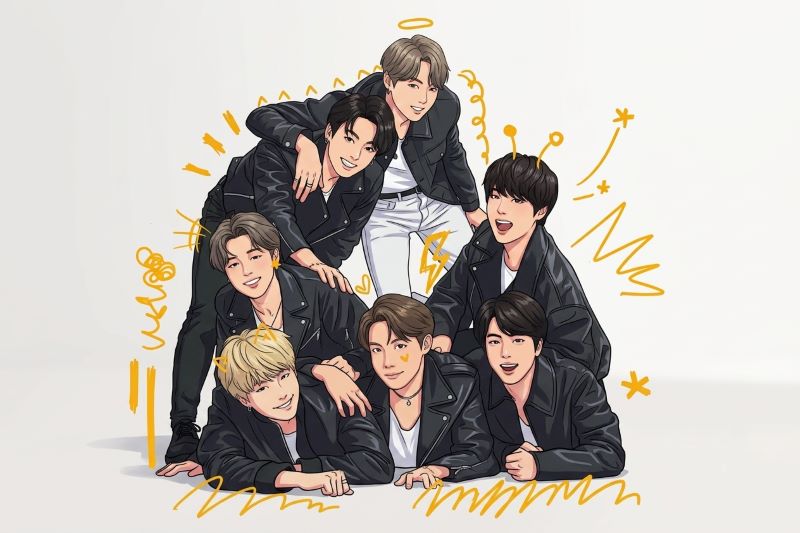
In a recent industry development that underscores the evolving landscape of celebrity endorsements, BTS member Jin has been officially recognized as the star most suited to represent coffee brands. This ranking, emerging from data collected in recent consumer surveys, highlights a fascinating intersection between idol persona and commercial utility. While on the surface this appears to be a simple popularity poll, the reality of how these endorsements are secured reveals a rigorous, behind-the-scenes machinery where image curation and market alignment are calculated with military precision. For fans and industry observers alike, this recognition serves as a bellwether for how solo artists like Jin are carving out individual brand identities that resonate with domestic and global audiences long after the group’s ensemble activities.
The Architecture of Celebrity Endorsement
To understand why Jin ranks so highly in consumer preference for lifestyle categories like coffee, one must look at the immense amount of labor that occurs far from the spotlight. In the K-pop industry, a star does not simply land an endorsement deal because of fame alone. Instead, there is an exhaustive process of ‘brand fit’ analysis conducted by marketing agencies. This involves deep-diving into the artist’s social media behavior, their public interviews, and the specific demographics of their fanbase to ensure that the partnership feels authentic. For a brand, a coffee endorsement is an attempt to capture a ‘moment of calm’ or a ‘sophisticated lifestyle,’ and the agency must package the idol to fit that specific narrative. The preparation involves months of strategic photo shoots, creative consultation, and aligning the idol’s personal aesthetic with the brand’s visual identity, all while balancing the artist’s intense schedule.
The current buzz around Jin’s potential as a face for coffee brands reflects a shift in how K-pop idols are marketed as mature, relatable adults. In the early stages of K-pop, endorsements were often restricted to snacks, clothing, or mobile games. Today, the move toward lifestyle brands—like luxury fashion, high-end coffee, and wellness products—signals a maturation of the idol persona. When an artist like Jin is associated with coffee, it taps into the ‘refined gentleman’ archetype he has cultivated through his variety show appearances and his candid interactions with fans. This isn’t just about his face on a billboard; it is about the brand borrowing his carefully maintained image of warmth, consistency, and professional excellence.
Market Trends and the ‘Jin Effect’
Looking at the broader trajectory of the K-pop industry, we see a distinct move toward high-value, long-term brand partnerships. In the past, agencies were often content with quick-hit commercial spots. However, the current strategy focuses on ‘omnipresence’—where the idol is woven into the very fabric of the product’s marketing campaign. This suggests a more symbiotic relationship where the idol provides creative input or social media engagement that drives actual sales. When surveys place Jin at the top of these lists, it is a testament to the high engagement levels of his fanbase, but it also reflects the successful branding strategy of HYBE and his management, which ensures his image remains distinct from his BTS counterparts, allowing for unique commercial opportunities that cater to his specific appeal.
Comparatively, this mirrors the trajectory of other legendary K-pop icons who have successfully transitioned from group members to solo commercial powerhouses. We saw this with idols like Gong Yoo or IU, who became synonymous with the brands they represented, essentially becoming the ‘face’ of an entire category. Jin’s current ranking suggests that the industry perceives him as having that same level of long-term commercial sustainability. This is not a fleeting trend; it is a strategic positioning that allows the artist to remain relevant in the public consciousness, not just as a vocalist or a dancer, but as a cultural taste-maker who sets the standard for consumer trends.
Community Sentiment and the Fan Economy
Within the global fan community, such news is often met with a mix of pride and strategic enthusiasm. For fans, seeing their favorite artist win these rankings is a validation of the idol’s widespread appeal beyond the niche circles of K-pop fandom. It functions as a form of social proof, confirming that the mainstream public shares their appreciation for the artist’s character. In many instances, the community-driven response involves coordinated efforts to support these brands, essentially turning a commercial endorsement into a shared fan activity. This collective action is a hallmark of the modern K-pop economy, where fans act as an informal marketing extension, amplifying the brand’s reach by signal-boosting the association.
The resonance of this news is particularly strong because it feels accessible. Unlike high-fashion ambassadorships which might feel distant or aspirational, the ‘coffee model’ is grounded in daily life. Fans often express that they feel a sense of closeness when the products endorsed by their idols are things they use every day. This creates a feedback loop of brand loyalty that is incredibly difficult for traditional corporations to replicate without the unique emotional investment that K-pop fans provide. The industry recognizes this, and that is precisely why the selection of the ‘ideal model’ is treated with such gravity by marketing boards.
Looking Ahead: The Evolution of the Idol-Brand Dynamic
As we look to the future, the success of such endorsements could signal a shift in how idols curate their own careers. We are likely to see more artists moving toward creative director roles within these partnerships, rather than serving as passive faces for a campaign. For an artist of Jin’s caliber, the next stage of this evolution might involve deeper collaborations, perhaps even co-branding or product development, where his influence extends to the actual formulation or design of the coffee products themselves. This would be a natural progression for a generation of artists who are increasingly involved in the production and management side of their own careers.
Furthermore, this development sets the stage for a new era of global brand expansion. As K-pop stars like Jin continue to dominate domestic charts and brand rankings, the international demand for their faces on global products will likely surge. We can expect to see these ‘ideal model’ rankings transition from local sentiment metrics to global performance indicators. The lesson here is clear: the most successful idols of the next decade will be those who can bridge the gap between global pop-stardom and the granular, everyday life of the consumer. Jin’s current status at the top of these lists is a preview of the immense, multi-faceted influence that major K-pop stars will wield as they navigate the next chapter of their professional lives, proving that their reach extends far beyond the stage and into the very habits and tastes of the global public.