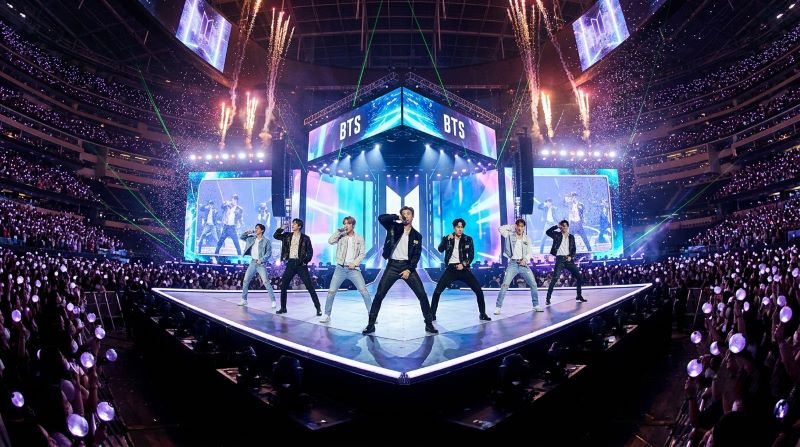
In a significant legal milestone for the K-pop industry, HYBE has confirmed that individuals responsible for spreading malicious content targeting BTS have been issued fines, while investigations into large-scale ticket scalping operations continue to intensify. This development marks a turning point in how entertainment agencies protect the integrity and reputation of their artists, moving beyond simple warnings to active judicial involvement. For global fans, this news underscores a commitment by management to cultivate a safer digital and physical environment for both the group and their dedicated community.
The recent legal actions taken on behalf of BTS signal a transition from reactive monitoring to proactive, punitive enforcement in the protection of artist rights and fair fan access.
To understand the depth of these events, we must look at how this fits into the broader K-pop landscape. The industry has historically struggled with a ‘wild west’ digital environment where anonymous hate speech was often dismissed as an inevitable byproduct of fame. However, as groups like BTS reach global superstardom, the scale of malicious activity—ranging from defamation to organized misinformation campaigns—has become a structural issue that impacts not only the mental well-being of artists but also the brand value of the entities surrounding them. By pursuing these cases to the point of criminal fines, HYBE is reinforcing a new standard of accountability.
Why are legal actions against malicious posts increasing now?
Global fans often wonder why it takes time for such actions to bear fruit. The answer lies in the complexity of digital forensics and international jurisdiction. When a company acts against a malicious user, they are essentially navigating a minefield of privacy laws and platform policies. The recent sentencing of those targeting BTS is the culmination of long-term evidence collection. This reflects an industry shift where agencies are now dedicating entire legal teams solely to monitoring digital platforms. It is no longer just about ‘taking down’ a post; it is about establishing a legal precedent that deterring future harassment requires real-world consequences, such as fines, rather than simple platform suspensions.
What is the impact on the secondary ticket market?
The second pillar of this news involves the crackdown on ticket scalping, particularly cases involving massive profits exceeding 2 billion won. Scalping has long plagued the K-pop touring experience, often pricing out genuine fans and creating a sense of frustration within the global community. The active pursuit of these scalpers shows that agencies are finally recognizing that ‘fair access’ is a key metric of a healthy fan ecosystem. By disrupting the black market, labels are attempting to reclaim the fan experience from predatory resellers who exploit the high demand for stadium-level events. This move suggests that the industry is shifting toward a model where the concert-going experience is treated as a premium, protected service rather than an unregulated commodity.
How does this compare to past industry trends?
In previous years, K-pop agencies were criticized for being too passive. If we look at the evolution of fandom management, we see a movement from community engagement to community protection. Previously, agencies might issue a notice stating that ‘legal action is underway,’ which often felt like a empty threat to many critics. Now, the concrete result of fines being issued acts as a tangible signal that the ‘wait and see’ era of cyber-harassment is ending. This mirrors patterns seen in other global entertainment sectors where public figures are leveraging local laws to reclaim their digital identity. It is a maturation of the K-pop business model, one that acknowledges that the protection of the artist and the audience is a prerequisite for long-term commercial success.
How does the community typically react to these developments?
For the average fan, news of successful litigation against bad actors is generally received with a sense of validation. Fandoms spend an inordinate amount of time reporting malicious content, often feeling like their efforts are ignored by corporations. When an agency confirms that these efforts have led to successful police investigations and court rulings, it bridges the gap between the fans and the firm. It transforms the relationship from a one-way consumption model to a collaborative one where the agency and the fan base are aligned on the same goal: maintaining a respectful and equitable space for the group to thrive. This sense of ‘being heard’ by the company is essential for maintaining brand loyalty in an increasingly crowded market.
What does this mean for the future of the artist-fan relationship?
Looking ahead, this signifies that we should expect even stricter digital hygiene from agencies. As AI and automated systems become more prevalent in spreading misinformation, the counter-measures will have to become more sophisticated. We might soon see industry-wide collaborations between major agencies to share data on organized malicious networks. Furthermore, the crackdown on scalpers may lead to more innovative, tech-driven ticketing systems—such as non-transferable digital IDs or blockchain-based verification—that aim to eliminate the resale market entirely. The precedent set by the BTS legal victory provides a framework for other groups to follow, potentially leading to a safer, more transparent industry where the value of an artist’s output is not diminished by the toxicity of the digital space or the greed of black-market resellers.
Ultimately, these developments are about the preservation of a legacy. BTS has spent years building a narrative based on self-love, respect, and mutual support. When that environment is threatened by hate speech or by fans being exploited by scalpers, the entire narrative is undermined. By taking these decisive, cold-blooded legal steps, HYBE is protecting not just a commercial product, but the community ethos that defines the BTS phenomenon. The message is clear: the cost of attacking the artist, or exploiting the fan, is no longer a risk worth taking. This professionalization of legal defense is likely to become a permanent, foundational element of K-pop, ensuring that as the industry continues to grow, it does so on a more stable and ethical footing for all stakeholders involved.