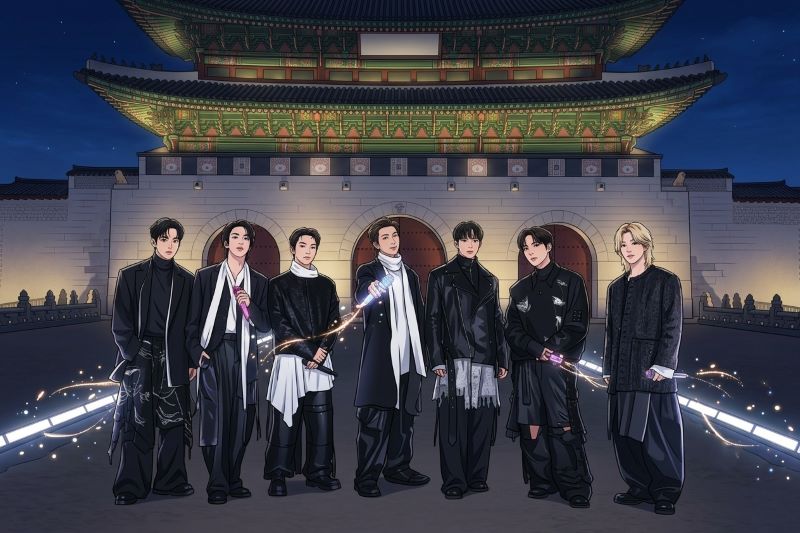
In a recent development that highlights the complexities of global superstardom, BTS leader RM found himself at the center of a public appeal for personal space. While traveling in Peru, the artist was met by a significant number of fans who gathered outside his hotel, prompting the rapper and songwriter to utilize his social media platform to respectfully request that supporters refrain from visiting his place of residence. This moment serves as a poignant reminder of the enduring intensity surrounding BTS members, even during their periods of individual exploration and mandatory military service breaks, showcasing the persistent, sometimes overwhelming, nature of global fame.
From Stadium Idols to Global Icons: A Career in Constant Motion
To understand the weight of this incident, one must look at the monumental trajectory of RM’s career. From the humble, grassroots beginnings of a hip-hop-focused idol group in 2013 to the record-breaking, chart-topping juggernaut that BTS became by 2020, RM has remained the group’s philosophical anchor. His journey has been defined by a transition from the ‘boy next door’ idol persona to that of a sophisticated international intellectual and cultural ambassador. Having navigated the pressures of being the primary spokesperson for a group that broke every barrier in the Western music industry, RM has long championed a culture of mutual respect between artist and audience.
This specific moment in Peru stands in stark contrast to the highly curated environment of global stadium tours. Throughout their decade-plus career, the members of BTS have consistently transitioned between the controlled chaos of official venues and the quiet, often elusive search for personal time. As the group currently navigates their transition into solo artistry and national service, the dynamics of their interaction with the public have shifted. The presence of fans at a private hotel is not merely a logistical challenge; it is a symptom of a fan-base whose loyalty spans over a decade, often struggling to reconcile the human need for privacy with the parasocial proximity that modern digital connection facilitates.
The Ethics of Privacy and the Evolving Fandom Landscape
The call for privacy made by RM echoes a recurring tension within the K-pop industry regarding the boundaries between public persona and private individual. Historically, K-pop idols have operated under a business model that encourages near-constant availability and engagement. However, as artists like RM reach the second decade of their professional lives, the industry is seeing a necessary pushback against the ‘saesang’ (obsessive fan) culture and, more broadly, the expectation that a global superstar is perpetually ‘on’ for the public. By addressing the crowd directly and politely, RM is setting a new precedent for how legacy artists can protect their mental health while maintaining the integrity of their relationship with their community.
This incident also mirrors similar patterns seen with other top-tier acts who have reached a level of fame where they are no longer just performers, but cultural phenomena. When boundaries are blurred, the resulting friction often forces artists to become educators, reminding their supporters that behind the global icon is an individual requiring the same basic human considerations as anyone else. This is not a rejection of fan support but a re-calibration of the terms of engagement. It suggests a more mature stage in the group’s career, where the focus is shifting toward sustainable long-term participation rather than the high-octane, nonstop accessibility of their earlier, more frantic years.
Community Sentiment and the Responsibility of Global Fandoms
Within the broader K-pop community, such events usually trigger intense introspection among fan bases. Most fans acknowledge the necessity of privacy for their idols, viewing such requests as a test of the collective maturity of the fandom. There is a general consensus that as the members of BTS move into their thirties, their personal lives must be treated with greater sensitivity. The discourse following such requests typically centers on the ‘protection’ of the artist, with the community often policing itself and discouraging behaviors that infringe upon the physical security or comfort of the members.
This sentiment is particularly robust given that BTS is known for its particularly close-knit relationship with their fans. Because the connection is built on shared vulnerability and authentic communication, there is often a feeling of mutual stewardship. When an artist like RM speaks up, the vast majority of the community responds with immediate support and a pledge to adhere to these boundaries. It reflects a shift in the power dynamic of modern fandom—moving away from a sense of ownership to a sense of supportive partnership, where respect for the artist’s private time is seen as the ultimate sign of true, long-term commitment.
Looking Ahead: Defining a Sustainable Future
As RM and his fellow members continue to navigate their individual paths, this incident serves as a precursor to what their careers will look like in the post-active-group-promotion era. The next chapter of their lives—defined by creative independence and more personal agency—will inevitably require a new ‘social contract’ between the artists and their global supporters. We can expect to see more of these boundary-setting moments as the members assert their independence and redefine their presence in the public eye. This is not a retreat from the world but an assertion of the humanity that brought so many fans to their music in the first place.
Ultimately, this event underscores that the BTS legacy is not just about the numbers or the stage presence, but about the evolution of the human beings behind the music. Moving forward, the industry at large will likely view RM’s approach as a blueprint for how to handle the challenges of global fame while maintaining personal dignity. As the members prepare for their eventual return as a full group, these lessons in boundary management will be vital in ensuring that they can enjoy the longevity and personal fulfillment they have so clearly earned through their tireless contributions to global pop culture. The future of their career will be defined by this balance, setting a standard for the next generation of K-pop stars to follow.