When BTS member V shared a series of picturesque snapshots from a visit to an overseas wine vineyard on his personal social media account this past week, the intention was clearly to offer fans a slice of his serene, picturesque daily life. However, what ensued was an unexpected digital comedy of errors. Captured against the lush, earthy backdrop of the vineyard, V’s ensemble—which featured a pair of trousers with a distinct, distressed aesthetic—became the focal point of fan discussion. The visual texture of the pants, which appeared to some observers as heavily stained with mud or soil, prompted a flurry of comments from fans expressing concern and curiosity. V, ever responsive and playful with his audience, quickly hopped onto the platform to clarify: the pants were not dirty, but rather designed that way. ‘It is not mud,’ he clarified with a touch of lighthearted humor. ‘It is easy to misunderstand, but it is just the design.’ This moment, while seemingly trivial, serves as a poignant reminder of the microscopic level at which idol aesthetics are analyzed by the global K-pop community today.
From Polished Perfection to Relatable Reality
In the broader context of BTS’s career, this moment highlights a shift in how the group interacts with their public image. Historically, K-pop idols were presented as pristine, untouchable figures. During their early years, the styling for BTS was meticulously curated to reflect specific concepts for every appearance, music video, and public sighting. If an idol appeared with a mark on their clothing, it was often viewed as a wardrobe failure that necessitated immediate correction or public apology. However, as V and his bandmates have matured, both as individuals and as global icons, their relationship with their audience has transitioned into something far more grounded. Today, BTS members frequently share glimpses of their lives that break the ‘fourth wall’ of idol perfection. This specific incident involving V’s trousers mirrors a broader industry trend where fans cherish the ‘human’ moments over the perfectly staged ones, shifting the value proposition of celebrity from unattainable deity to relatable friend.
Comparing the Narrative: Then vs. Now
To understand the significance of this, we must compare it to a similar past event. Consider the early-era scrutiny faced by BTS during their rise. Years ago, a similar visual ambiguity might have been framed by the media or agency as a ‘fashion mystery’ or a ‘style mishap’ requiring a formal statement. In contrast, V’s immediate, casual direct-to-fan intervention on social media is a hallmark of the modern parasocial dynamic. Whereas previous industry standards dictated that artists remain silent on ‘trivial’ matters, V’s proactive and humorous response effectively reclaimed the narrative before it could spiral into unnecessary gossip or criticism. It highlights a maturing industry confidence where idols no longer fear being misunderstood, but rather engage with that misunderstanding as part of their content strategy. This is not just a story about pants; it is a story about the evolution of agency in the K-pop space.
| Feature | Traditional Idol Response (Past) | Modern Idol Response (Current) |
|---|---|---|
| Approach to Rumor | Agency-led formal statement | Direct social media clarification |
| Aesthetic Value | Flawless, curated perfection | Authenticity and ‘lived-in’ style |
The Psychology of Fandom Analysis
For the global ARMY and the broader K-pop fandom, this incident resonates because of the ‘detective’ culture inherent in modern internet-based fandoms. When a fan sees a high-definition photo of their idol, they aren’t just looking at the person; they are analyzing the texture of the fabric, the brand of the wine, and the geographic location of the vineyard. This hyper-attentiveness is both a blessing and a burden for artists. On one hand, it creates deep engagement; on the other, it creates situations where mundane fashion choices are subject to scrutiny. Fans generally view these interactions as ‘relatable content.’ By dismissing the concern with a laugh, V validates the fans’ scrutiny while simultaneously setting a boundary. It shows that he is aware of the gaze he lives under, but he refuses to let it define his comfort. This is a common sentiment in contemporary fandom circles: the desire for the artist to be ‘real’ rather than a mannequin, even if it leads to minor, harmless misunderstandings.
Industry Trajectory and Future Perspectives
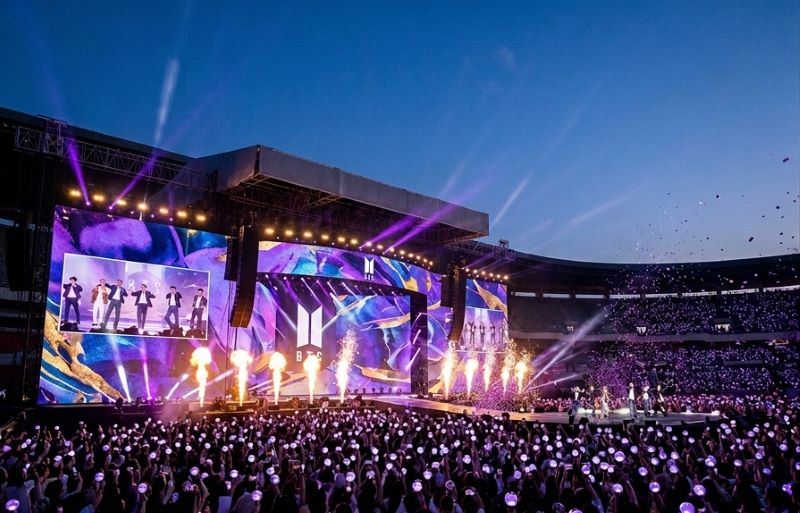
Looking ahead, the incident serves as a prelude to the high-stakes environment BTS is entering as they prepare for their upcoming Asia tour, starting in Kaohsiung on November 19. The ‘Arirang’ tour represents a significant milestone, and with it, the intensity of the fan gaze will only heighten. As the group navigates these massive, multi-city events, the necessity for a balanced, approachable brand identity becomes paramount. The incident at the vineyard suggests that BTS is moving into a phase of their careers where they are comfortable blending the lines between their private, artistic preferences and their public personas. As they hit the road, we can expect more of these ‘human’ moments to occur, which will likely serve to strengthen the emotional bond between the artists and the global audience. This trajectory is essential for the longevity of legacy acts like BTS, who must remain relevant while transitioning from the ‘new’ act on the block to seasoned professionals who can laugh at themselves in the face of a misunderstanding. Ultimately, V’s quick clarification isn’t just about a pair of pants; it’s about maintaining the trust that is the bedrock of the BTS brand, ensuring that even as they tour the world, they remain firmly grounded in the realities of the fans who support them.