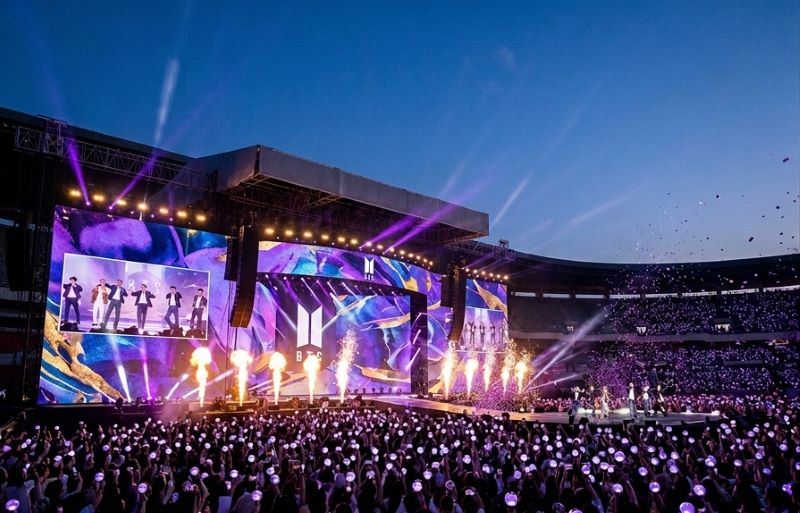
In the high-octane world of international touring, where stadium concerts are often meticulously choreographed spectacles, moments of genuine, unscripted human connection become the most enduring memories for both artist and audience. This was precisely the case during BTS member Jimin’s recent final performance in Argentina. Beyond the flashes of light and the thunderous choreography, the narrative that emerged from his time in the country speaks to a deeper, more intentional layer of global stardom—one where the effort to bridge linguistic and cultural gaps defines the artist’s legacy as much as their musical output.
The Strategy of Authenticity: Beyond the Stage Lights
To understand the magnitude of this event, one must look at the preparation required for such an endeavor. While global K-pop stars are accustomed to flying between time zones, the transition into South American markets requires a specific type of engagement. The production behind these performances is rarely just about setlists; it is about local resonance. Jimin’s decision to don a 2018 Russian World Cup Argentinian jersey was not a haphazard wardrobe choice. It was a calculated, respectful nod to the local cultural fabric, signaling an understanding of Argentina’s intense national pride in football. This preparation reflects a broader industry trend where the ‘globalization’ of K-pop is no longer about forcing a singular image onto foreign markets, but rather about the artist embedding themselves into the host culture’s DNA.
The behind-the-scenes reality of these tours is a grueling balance of extreme jet lag, language barriers, and high-pressure performance standards. Yet, the footage of Jimin fumbling through Spanish phrases highlights a strategic vulnerability. By embracing his own linguistic limitations rather than hiding behind a translator, he transformed a barrier into a point of intimacy. This deliberate effort to meet his audience halfway is a hallmark of the ‘Jimin charm,’ an approach that allows him to transcend his status as a distant pop idol and become a relatable figure. This humanization of the performer is perhaps the most significant tool in the modern idol’s kit, turning a stadium full of strangers into a community of supporters who feel a personal stake in the artist’s success.
Comparative Context: The Idol-Fan Dialogue
Throughout the history of K-pop’s expansion into the West, the dynamic of the ‘ending ment’ has evolved from a standard script into a transformative moment of dialogue. In earlier generations, language barriers often necessitated shorter, safer interactions. Today, stars like Jimin are utilizing these final minutes to cultivate a deep, bidirectional relationship with fans. This mirrors a pattern seen with other top-tier acts who have successfully navigated the Latin American market, where audience participation is significantly more vocal and emotive than in other regions. When the crowd chanted ‘Que se quede!’—a plea for him to stay—they were not just shouting a request; they were participating in a localized cultural ritual of intense fandom.
| Feature | Traditional Global Tour Approach | Jimin’s Argentinian Model |
|---|---|---|
| Local Integration | Standardized sets/merch | Cultural cues (e.g., football jerseys) |
| Language Usage | English-only or native Korean | Attempted local tongue (Spanish) |
| Fan Engagement | One-way broadcast | Spontaneous, bidirectional emotional exchange |
The ‘Little Fairy of Tucumán’ Phenomenon
The nickname ‘Hadita tucumana’ (Little Fairy of Tucumán) serves as an interesting case study in how K-pop fandoms localize their idols. When fans assign such a specific, affectionate, and culturally grounded moniker, it signifies a ‘soft’ takeover of the artist’s image. This is a common occurrence in K-pop’s global journey, where fans reclaim parts of an artist’s persona to make them feel like their own local treasure. This behavior is symptomatic of a shift in the power dynamic between fan and idol; the fan is no longer a passive consumer but an active curator of the idol’s narrative. The intensity of the community response—calling for closed borders to keep the star in their country—is hyperbolic, yet it represents a very real psychological investment that underpins the massive economic success of global K-pop tours.
Looking ahead, the success of these intimate interactions suggests a shift in how BTS and other major groups will structure their future world tours. It is no longer enough to bring the spectacle; agencies must now prioritize ‘localized integration’ as a primary production pillar. Future tours will likely see an increase in pre-tour language training, specialized cultural collaborations, and a higher premium placed on unscripted, spontaneous fan interaction. The goal is to build a brand that is perceived as ‘native’ to every territory it enters, a challenge that requires significant logistical and mental preparation from the artists themselves.
As Jimin moves on to the next stages of the tour in São Paulo, the legacy of the Argentinian leg remains as a blueprint. It demonstrated that even in the largest of stadiums, the most powerful instrument an idol possesses is their willingness to show genuine struggle and genuine affection. For the global K-pop industry, the lesson is clear: the bridge to international relevance is built not just with high-budget production, but with the quiet, authentic moments that occur between the lyrics. The future of K-pop, it seems, belongs to the artists who can make a stadium feel like a living room, regardless of the continent.