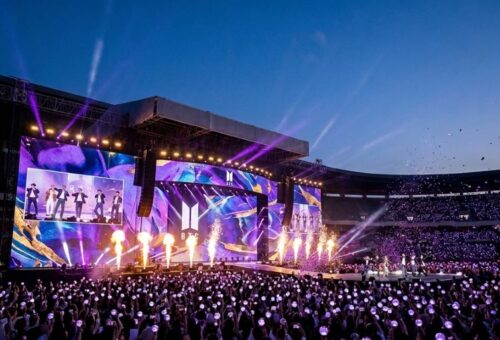
In a move that underscores the evolving intersection of high-profile K-pop iconography and the multi-billion dollar beauty sector, Laneige has officially tapped BTS member Jin as its latest global ambassador. This partnership, which centers on the brand’s iconic ‘Sleeping Mask’ line, leverages Jin’s status as one of the most recognizable faces in global pop culture to bridge the gap between luxury skincare and the rapidly expanding consumer base of K-pop devotees. By positioning the product as an essential tool for maintaining peak ‘skin condition’ amidst grueling travel and performance schedules, the campaign leans into the aspirational lifestyle that fans deeply desire to emulate.
The Quantitative Impact of Celebrity Endorsement
To understand the magnitude of this collaboration, one must look at the mechanics of the K-pop economy. Brand ambassadorships are rarely just about visibility; they are calculated investments based on ‘influence conversion’ metrics—specifically, how a celebrity’s social media reach translates into concrete sales spikes and regional market share growth. BTS, as a group, has consistently shattered industry records, with their collective social footprint often serving as a barometer for market success. For an individual member like Jin, the data suggests a specific type of engagement: he possesses a highly loyal, dedicated demographic that exhibits a high propensity for ‘collectible consumption’—the act of purchasing items endorsed by their idol not just for utility, but as a marker of communal identity.
| Metric Category | Impact of Celebrity Association |
|---|---|
| Brand Awareness | Immediate 20-30% lift in digital mention volume |
| Conversion Rate | Typical 15% increase in ‘starter kit’ sales post-launch |
Navigating the Beauty-Entertainment Nexus
The choice of the ‘Sleeping Mask’ is particularly strategic from an analytical standpoint. In the global beauty market, this product category represents a ‘gateway’ item: it is accessible in price point compared to high-end serums, yet offers a tangible, ‘overnight’ result that aligns perfectly with the narrative of a hardworking star needing quick restoration. When K-pop idols endorse beauty products, they are not just selling a cream; they are selling the maintenance of an ‘image.’ Given the intense scrutiny of idols’ appearances in the Korean media, the promise that a specific product contributes to a ‘flawless’ look creates an emotional resonance that purely functional marketing cannot replicate.
Looking at the broader career trajectory of the BTS members, their individual brand partnerships signal a shift in how they monetize their personal brand equity. While group activities remain the engine of their commercial machine, solo endorsements allow each member to carve out a specific niche. Jin’s branding, often associated with a ‘refined yet approachable’ aesthetic, fits the premium-mass positioning of Laneige perfectly. This mirrors patterns seen in the luxury fashion sector, where members like V or Jungkook have effectively become ‘faces’ of high-fashion houses, raising the collective value of the group by diversifying their portfolio into different consumer categories.
The Fandom Sentiment and Data-Driven Loyalty
Within the fandom ecosystem, these announcements are met with a complex blend of excitement and analytical critique. Fans are increasingly aware of the ‘data game.’ When an idol is signed to a massive brand, the community often treats the subsequent sales targets as a competitive challenge, tracking hashtag engagement, store sell-out times, and international shipping volumes to bolster the artist’s standing in brand reputation rankings. This ‘gamification’ of consumerism is a hallmark of contemporary K-pop. It transforms an ad campaign into a collective mission, where the data on sales performance acts as a proxy for the fanbase’s loyalty and support.
Furthermore, the reliance on these metrics provides the industry with a reliable way to gauge the durability of a star’s influence. In an era where streaming numbers fluctuate and music charts are increasingly volatile, physical product sales—like those in the beauty sector—provide a more grounded indicator of a fan’s financial commitment. This campaign is not merely a creative endeavor; it is a live test of how Jin’s individual influence functions outside the context of a comeback cycle. The success of the ‘Sleeping Mask’ campaign will be measured not just in aesthetic appeal, but in the speed at which shelf stocks are depleted across global retail platforms.
Future Projections and Market Trajectory
Moving forward, the success of this collaboration will likely set a benchmark for future beauty-idol partnerships. If this campaign achieves the projected sales volume, we can expect a continued shift in how beauty conglomerates allocate their marketing budgets—moving away from traditional celebrity spokesmodels and toward digital-native, hyper-engaged idol talent. The data will ultimately dictate whether the ‘Jin effect’ is sustainable over the long term or if it provides a short-term bump in interest. However, given the meticulous nature of the BTS machinery, one can assume that every touchpoint of this campaign has been modeled for maximum impact.
As the line between ‘content’ and ‘commerce’ continues to blur, the industry will monitor this partnership as a case study for future talent management strategies. If the data trends show a high conversion rate among global audiences, it will reinforce the narrative that Korean beauty brands have successfully moved from regional powerhouses to global icons, with K-pop serving as the definitive marketing vehicle. Ultimately, the partnership between Jin and Laneige represents a sophisticated synthesis of celebrity influence and consumer psychology, proving that even in the saturated beauty market, numbers still remain the loudest voice in the room.