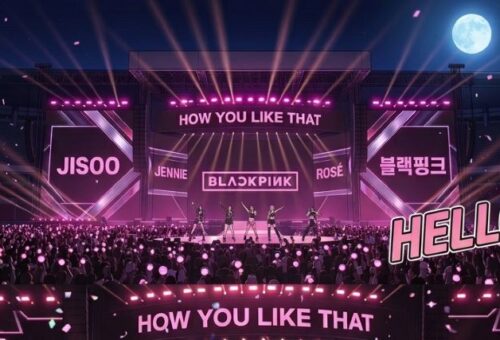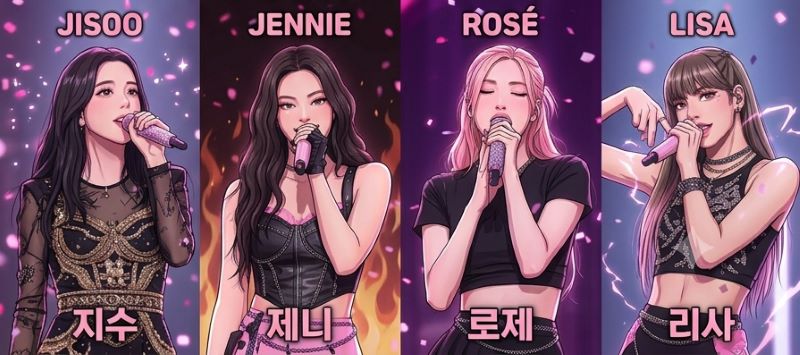
From the front row of high-fashion runways to the pinnacle of global streaming charts, Jisoo is proving that her individual influence is not merely an extension of BLACKPINK, but a quantifiable force in the modern entertainment economy.
BLACKPINK member Jisoo has once again captured the global spotlight, not through a dramatic pivot, but through the consistent, high-level brand alignment that has become her hallmark. Recently, the artist shared a series of images from a Dior-sponsored event, showcasing a sophisticated ‘romantic white’ aesthetic that emphasized her status as a global ambassador. Dressed in a crisp white blouse paired with a soft pink tulle skirt—accented by a delicate black ribbon—Jisoo presented an image of elegance that perfectly matches the luxury house’s current direction. Beyond the surface-level fashion appraisal, these visuals serve as a strategic reinforcement of her brand identity, bridging the gap between high-fashion prestige and her thriving musical career.
The Economics of Influence: Measuring the ‘Jisoo Effect’
To understand the weight of this imagery, one must look at the numbers. Jisoo’s career trajectory has evolved from a group-oriented lead vocalist into a standalone commercial powerhouse. Her transition into solo work is underpinned by staggering statistics that define the modern K-pop idol’s leverage. Her debut solo project, ‘ME’, wasn’t just a fan-driven success; it shattered records by hitting 1.17 million in first-week sales, establishing her as the top-selling female solo artist in K-pop history by that metric. These figures are not just vanity numbers; they represent a concrete conversion rate from ‘fanbase’ to ‘consumer market’. When Jisoo attends a Dior event, she is effectively activating a demographic that is already proven to be highly engaged with her creative outputs, ensuring that the brand reaches a multi-million-strong audience that spans traditional fashion enthusiasts and digital-native K-pop fans.
This synergy is further reflected in her recent chart-topping performance with the single ‘CLICK’. Released as a precursor to her upcoming studio album, the track achieved top spots on iTunes charts in 43 regions and secured a peak position of 3rd on the worldwide iTunes song chart. Furthermore, her dominance in the Chinese music market—evidenced by multiple No. 1 rankings on QQ Music and a ‘Gold’ certification for digital album sales—highlights an expansive, multi-continental commercial footprint. The fact that she can sustain these numbers while simultaneously appearing as a consistent fixture in luxury fashion calendars demonstrates a rare ability to bifurcate her appeal successfully. In an industry where artists often struggle to balance the ‘idol’ image with ‘high-fashion’ prestige, Jisoo navigates this by using her music’s success as the proof of concept for her broader luxury appeal.
Comparing the Blueprint: Industry Patterns and Evolution
Comparing Jisoo’s current path to historical precedents in K-pop reveals a shift in how idols curate their professional legacy. In previous generations, the transition from group success to solo status was often fraught with trial and error regarding brand fit. Today, the blueprint is data-driven; stars like Jisoo align with heritage houses early, building a narrative of maturity alongside their discography. This mirrors patterns seen with other global icons where the brand and the individual become inextricably linked—if the music chart performance is the ‘base’, the high-fashion appearance is the ‘value multiplier’. Her work as an actress, spanning from television dramas to her 2025 screen debut in ‘Omniscient Reader’, further adds to this value proposition. By diversifying her portfolio, she mitigates the risks associated with the volatility of music charts, ensuring her visibility remains constant.
Community sentiment regarding these appearances is overwhelmingly positive, largely because fans perceive these high-fashion milestones as a reflection of her personal growth. In global K-pop fandoms, there is a deep pride associated with seeing idols represented at top-tier global events. It signals to the wider industry that the artist is viewed as a peer to international A-listers. This collective validation is fueled by the visibility of the numbers: when fans see her music charting in 11 countries on Apple Music and topping Billboard reader polls, they treat her fashion ventures as the rightful reward for that success. It is a feedback loop where commercial success in music provides the ‘permission’ for luxury house integration, and luxury house integration secures the ‘prestige’ required to remain relevant in the hyper-competitive celebrity landscape.
The Forward-Looking Trajectory: Building the Solo Empire
Looking ahead, the integration of these dual paths suggests that Jisoo is building a career model that will likely set a standard for future idols. By securing a massive, loyal listener base through her solo singles and simultaneously cementing her seat at the table of legacy luxury brands, she has effectively hedged her future against the natural cycles of K-pop popularity. Her upcoming album project seems designed to not only expand her musical versatility but to serve as a high-production-value platform for her continued dominance in the beauty and fashion sectors.
The critical takeaway here is that Jisoo is no longer just a musician; she is an enterprise. As her solo discography grows, we can anticipate that the ‘Dior’ effect will only intensify, likely resulting in even higher engagement rates on both streaming and social media metrics. The data from her recent releases confirms that the market is hungry for a multifaceted star, and for now, the numbers indicate that Jisoo is moving toward an even more significant global footprint. Whether through the lens of a streaming chart or the front row of a luxury fashion show, her position as a central figure in modern pop culture is solidified by a strategy that values consistency, high-end partnerships, and, most importantly, undeniable, verifiable numbers.