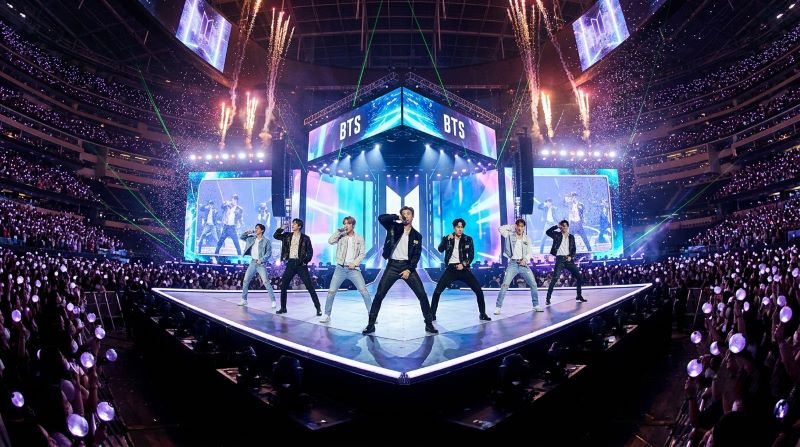
In a move that has sent shockwaves through the global music industry, the pillars of the K-pop establishment—HYBE, YG, JYP, and SM Entertainment—have collectively signaled their intent to bypass the 2027 Grammy Awards’ newly established ‘Best Asian Pop Music Performance’ category. This unprecedented industry-wide stance, led initially by the decision of BTS and subsequently mirrored by labels under the HYBE umbrella as well as their major competitors, marks a definitive shift in how South Korean entertainment giants are negotiating their place within the Western music hierarchy. As the 69th Grammy Awards approach, the absence of K-pop heavyweights from this specific category is not merely a lack of participation; it is a tactical statement against what many perceive as a ‘ghettoization’ of Asian musical talent.
The Strategic Implications of Industry-Wide Boycotts
To understand the gravity of this decision, one must look at the business of prestige in the music industry. Agencies like HYBE and YG have spent over a decade meticulously building the brand value of their artists, ensuring they are treated as global pop acts rather than regional curiosities. When the Recording Academy creates a siloed category for ‘Asian Pop,’ it inherently draws a perimeter around these artists, effectively signaling that they are eligible for recognition within their own designated zone but perhaps not for the prestigious ‘General Field’ categories like Album or Record of the Year. For a group like BTS, which has long transcended cultural boundaries to achieve commercial success that rivals any Western peer, this categorisation feels like a step backward in their trajectory toward true industry parity.
The current landscape reveals a stark contrast between market reality and institutional recognition. While K-pop groups like Stray Kids, Twice, and Blackpink are routinely topping the Billboard 200 and filling arenas globally, the Grammy infrastructure seems to be struggling to adapt its traditional awards architecture to accommodate this new reality. By withholding submissions, these agencies are effectively leveraging their brand equity. They are gambling on the idea that the prestige of the Grammys is no longer the definitive ceiling for global success, particularly when the trade-off involves accepting a label that may limit their perceived ‘universality’ in the eyes of domestic industry voters.
The Data Behind the Decision: A Strategic Comparison
| Metric | Mainstream Category | ‘Asian Pop’ Category |
|---|---|---|
| Brand Exposure | Global/Universal | Regional/Niche |
| Career Trajectory | Global A-List Status | Geographic Limiting |
| Market Perception | Music-First Identity | Cultural Export/Genre-Fenced |
The table above illustrates the inherent conflict in current label strategies. For years, the industry goal has been to remove the ‘K’ from ‘K-pop’ and transition these acts into the broader ‘Pop’ category. By participating in a segregated award, agencies fear they are undoing years of effort dedicated to proving that their artists belong in the same conversation as Western icons. When an agency decides to withhold their biggest stars, they are not just protecting their artists from a perceived slight; they are actively working to preserve the global brand identity they have cultivated.
Contextualizing the Shift: A History of Friction
The relationship between the Recording Academy and K-pop has been characterized by a history of cautious, often criticized, engagement. Over the past several years, there has been a recurring cycle: fans express frustration over limited nominations, the Academy attempts to pivot, and the resulting changes often fall short of expectations. The current controversy mirrors earlier industry tensions where diverse musical styles were relegated to ‘world music’ or ‘international’ categories, a practice that many contemporary artists have vocally opposed. The decision by HYBE, SM, JYP, and YG to act as a unified front suggests a newfound maturity in how these businesses manage their global political capital.
From a business perspective, this isn’t just about pride—it is about long-term positioning. Agencies are increasingly aware that if they accept the ‘Best Asian Pop’ designation today, they may find it nearly impossible to advocate for their artists to be taken seriously in major categories tomorrow. The fear is that the Academy will point to the existence of this specific category as evidence of their ‘inclusivity,’ thereby closing the door on more meaningful, merit-based inclusion in the major categories. This is a classic industry chess move: by refusing to play in the designated sandbox, the agencies are forcing the Academy to eventually reconsider the necessity of the partition itself.
Community Sentiment and the Fan-Industry Dynamic
Within the fandom ecosystem, this development has been met with a complex mix of support and apprehension. Generally, the K-pop community has long felt that their favorite artists are subject to a ‘glass ceiling’ when it comes to Western recognition. Consequently, many fans view this boycott as a bold and necessary move to demand respect. For the average fan, the Grammy recognition has often felt like an afterthought, and the consensus seems to be that if the institution is not willing to evaluate the music on its own merits without the prefix of ‘Asian,’ then the nomination holds little objective value.
Furthermore, the solidarity across companies that are usually bitter commercial rivals is a signal to the industry that this is a collective priority. When companies like HYBE and YG find common ground, it suggests that the threat of ‘genre-fencing’ is perceived as an existential challenge to the entire K-pop sector. Fans interpret this as a move to protect the legacy of their favorite groups, ensuring that the artists are remembered for their actual contributions to music rather than their origins. It creates a narrative of empowerment: the artists are not just waiting to be invited to the table; they are choosing to build their own.
Looking Ahead: The Future of Global Music Awards
As we look toward the 69th Grammy Awards in February 2027, the question of who might eventually participate in this category—or if it will remain empty—becomes the most compelling storyline of the season. If the major labels hold their ground, the Recording Academy will face a significant optics challenge. How can they justify the prestige of a category that the primary stakeholders deem irrelevant or exclusionary? This standoff serves as a catalyst for a much-needed conversation about the future of global music awards.
Ultimately, the industry is transitioning into an era where labels have more autonomy and direct reach to consumers than ever before. With social media and digital platforms, the need for traditional gatekeepers to validate commercial success has diminished. The boycott is a sign of this shifting power dynamic. Whether the Grammys decide to integrate Asian artists fully into their mainstream categories or double down on their current path will likely define their relevance to a new generation of global music fans. For now, the silence from the four major agencies is loud enough, serving as a powerful testament to the fact that the industry has outgrown the boxes the status quo has tried to build around it.