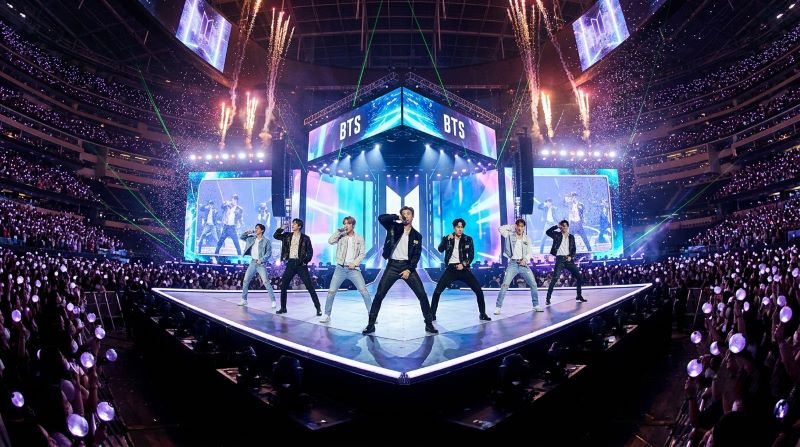
In a move that has sent shockwaves through the global music community, major K-pop powerhouses including BTS and Stray Kids have reportedly chosen not to submit their work for consideration for the upcoming Grammy Awards. This decision marks a significant turning point in the relationship between the world’s most influential music industry body and the explosive K-pop phenomenon. By opting out of the submission process, these artists are signaling a growing friction, highlighting a perceived disconnect between the Grammy Awards’ traditional evaluation criteria and the rapidly evolving reality of global music consumption.
The Erosion of the ‘Golden Standard’
Historically, the Grammy Awards have served as the ultimate barometer of artistic excellence. However, for the K-pop industry, the journey to the Grammys has been fraught with complexity. While BTS shattered barriers by becoming the first K-pop act to be nominated, the subsequent years have been defined by a cycle of fan frustration and industry skepticism. The decision by labels to withhold submissions suggests a tactical shift: rather than playing by the rules of a game that has historically failed to recognize the sheer scale and cultural impact of their output, these agencies are reclaiming their agency. The refusal to participate is not merely a logistical choice; it is an assertion of relevance in a landscape where the Grammys’ ‘half-hearted’ acceptance, as some critics suggest, no longer carries the weight it once did.
- BTS and Stray Kids opted out of the current Grammy submission cycle.
- The move signals a growing discontent with the Recording Academy’s recognition process.
- K-pop fans are viewing this as a bold stand for artist autonomy.
- Industry experts view this as a potential long-term trend for non-Western global superstars.
The context for this withdrawal is deep-seated. Over the past decade, K-pop has transitioned from a niche, localized movement to a global juggernaut that dominates charts, social media discourse, and concert revenue. Yet, the traditional gatekeepers of Western music media have often seemed hesitant, creating categories that some argue are designed to compartmentalize rather than integrate. For groups like Stray Kids, who have carved out a massive niche through consistent album releases and self-produced content, the absence of recognition in key categories despite record-breaking sales numbers reflects a widening gap between data-driven success and institutional gatekeeping. This dynamic creates a scenario where the prestige of the award is being outweighed by the cost of participation—both in terms of financial resources and the emotional toll on the fandom.
The Fan Sentiment: A Collective ‘Enough is Enough’
The sentiment within the global fan community, from Seoul to Los Angeles, is palpable. Fans are increasingly weary of the perceived ‘performative inclusion’ that characterizes the Grammy-K-pop relationship. The mood online is one of protective defiance. Many fans feel that the artists, who already possess global chart dominance and unparalleled streaming records, do not need a Grammy trophy to validate their status. In fact, many argue that the Grammys need K-pop more than K-pop needs the Grammys. This sentiment represents a monumental shift in power dynamics; for decades, Western awards were the end-goal for any musician. Today, the fandom believes their artists have outgrown the necessity of external validation from institutions that struggle to understand the nuances of their artistry.
This emotional resonance is rooted in the bond between the idols and their fans. When fans see their favorite groups being snubbed or treated as an afterthought in award ceremonies, it feels like a slight against the community itself. By choosing not to submit, the artists are seen as standing up for themselves, which is a powerful message for young fans. It fosters a sense of pride and autonomy that strengthens the artist-fan relationship. This trend suggests that the industry is beginning to listen to the fans—if the audience finds the process flawed, the artists are willing to pivot toward more direct, fan-centered engagement strategies rather than chasing outdated accolades.
The Industry at a Crossroads
What does this mean for the future of global music awards? The ‘Grammy-free’ path taken by these groups could spark a wider trend. If other global superstars follow suit, the Grammys risk becoming a stagnant institution, isolated from the very sounds that define the modern era. We are entering an age where the definition of ‘prestige’ is shifting. An artist who sells out stadiums across multiple continents without a Grammy win is arguably more ‘successful’ by modern metrics than a winner who lacks that same grassroots support. This move forces us to reconsider what we value in music: is it the seal of approval from a panel of industry elites, or the raw, undeniable impact of an artist’s work on a global audience?
Looking ahead, it is probable that we will see a greater push for regional or independent awards platforms that more accurately reflect the global demographic of music consumers. The K-pop industry is already highly capable of hosting its own grand-scale events, and this current ‘protest’ might be the catalyst for creating a self-sustaining ecosystem that renders the traditional Grammy framework increasingly irrelevant. For the Grammys, the message is clear: they must adapt to the globalized reality of music production or risk being left behind by the very demographic they attempt to capture. The era of bowing to institutional gatekeepers is fading, replaced by an era of artist-led autonomy that prioritizes the fans above all else.