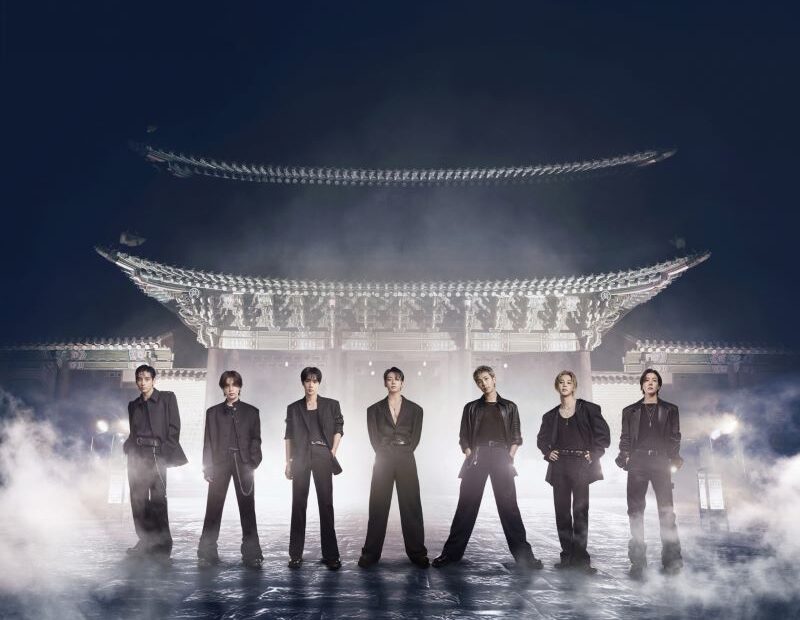
The Recording Academy’s recent decision to introduce a ‘Best Asian Pop Music Performance’ category for the 2027 Grammy Awards was intended to be a milestone for inclusivity. However, instead of celebratory applause, the announcement has been met with a resounding silence from the very artists the category aims to highlight. In an unprecedented move, major Korean entertainment powerhouses—including the labels behind BTS and Stray Kids—have collectively opted to refrain from submitting their music for consideration. This unified withdrawal has transformed what should have been a platform for representation into a complex discourse regarding artistic legitimacy, the limits of genre categorization, and the evolving identity of K-pop on the global stage.
The Anatomy of a Silent Protest
The controversy reached a fever pitch following a declaration from the members of BTS. Utilizing their personal social media platforms, the group expressed a desire for music to be appreciated for its inherent quality rather than being segregated by geographic, linguistic, or cultural labels. This statement served as the catalyst for a broader industry trend, with other major agencies following suit. The critique is not merely one of pride; it is rooted in the practical reality of modern music production. K-pop has long transcended regional borders, utilizing English-heavy lyrics and global production teams to reach audiences in every corner of the world. For many fans and industry insiders, forcing these tracks into a regional ‘Asian’ box feels like a step backward, effectively ‘othering’ the music rather than integrating it into the global mainstream where it already holds significant dominance.
The Data Divide: A Sign of Industry Friction
The disparity in engagement between the newly created categories is telling. While other genre-specific categories, such as ‘Best Latin Song,’ have seen hundreds of submissions, the ‘Asian Pop’ category has struggled to gain traction. The criteria itself—which mandates that songs must contain meaningful use of an Asian language—has been widely criticized for its inability to account for the hybrid nature of modern K-pop. The table below highlights the stark contrast in industry participation for the upcoming awards cycle.
| Category | Submissions (Approx.) | Status |
|---|---|---|
| Best Latin Song | 519 | High engagement |
| Best Asian Pop Performance | 116 | Low industry participation |
As illustrated by the data, the ‘Asian Pop’ category is significantly underperforming compared to established genre categories. This suggests a fundamental mismatch between the Recording Academy’s vision and the actual operational strategy of K-pop agencies. By insisting on language-based barriers, the Grammys have inadvertently created a silo that many artists feel limits their artistic merit to a regional stereotype, rather than recognizing their status as global pop acts competing on the highest level.
Fan Sentiment: The Emotional Heart of the Boycott
For the global fan community, this news has been received with a mix of validation and frustration. On platforms like X (formerly Twitter) and various fan forums, the prevailing mood is one of protective solidarity. Fans have long argued that their favorite artists should not be treated as a novelty or an ‘ethnic’ subsection of the Western music industry. The sentiment online is overwhelmingly supportive of the artists’ decision, with many fans characterizing the boycott as a necessary stance for artistic autonomy. There is a palpable sense of emotional investment here; fans feel that their artists have spent years breaking down linguistic barriers, only for an institution like the Grammys to attempt to rebuild those walls under the guise of diversity.
This collective reaction is not just about a trophy or a red-carpet appearance; it is about the acknowledgement of K-pop’s identity. When fans speak out against the categorization, they are articulating a desire for their favorite artists to be judged by the same metrics as Western pop stars. The sentiment is that being excluded from the ‘Best Pop’ or ‘Song of the Year’ categories and relegated to a regional niche is a form of symbolic erasure. This emotional resonance is what makes the boycott so potent—it is not merely an administrative disagreement between a label and the Academy, but a reflection of a core principle held by millions of listeners who view K-pop as a universal language.
The Legacy of Categorization in Pop Music
Historically, the music industry has struggled with the ‘World Music’ label, a catch-all term often criticized for stifling innovation and pigeonholing non-Western artists. By creating the ‘Asian Pop’ category, the Recording Academy may have unintentionally mirrored this outdated framework. In the past, similar debates have occurred in the Latin music industry, but the global integration of K-pop presents a unique challenge that requires a more sophisticated approach. The industry’s shift toward global collaboration means that a single track might involve songwriters from Sweden, producers from America, and vocalists from Korea, making a ‘regional’ label increasingly obsolete.
Critics within the industry, including segments of Billboard analysis, have noted that the Grammys risk lowering their own prestige by clinging to antiquated definitions. If the primary arbiters of musical success cannot adapt to the reality of a globalized digital era, they risk becoming disconnected from the very audiences they claim to serve. The current situation suggests that the future of music awards may need to pivot away from regional identifiers entirely if they wish to remain relevant to a generation that consumes music via algorithmic streaming rather than radio geography.
What Lies Ahead for the 2027 Awards
As we look toward the 69th Grammy Awards, the industry is at a crossroads. The Recording Academy faces a difficult choice: they can either double down on their current criteria, potentially facing continued boycotts and a lack of credibility, or they can engage in a meaningful dialogue with global labels to redefine how international music is acknowledged. For the fans, the outcome of this tension will serve as a bellwether for the Academy’s future. Will they modernize to reflect the borderless nature of 21st-century music, or will they remain entrenched in the structures of the past?
The next few months will likely see intense behind-the-scenes discussions. Should the Academy adjust its eligibility criteria, it would signal a profound shift in how Western institutions view the global market. Conversely, if the boycott persists, it may lead to the eventual dissolution or restructuring of the category itself. Regardless of the outcome, the events leading up to the 2027 ceremony have already made one thing clear: the global K-pop fandom and the artists they support are no longer willing to accept inclusion on terms that feel exclusionary. The era of passive participation is over; the future of global music accolades will be defined by equality, or not at all.