In a landmark crackdown that has sent shockwaves through the global entertainment and K-pop industries, South Korean law enforcement agencies have successfully dismantled a massive, long-running ticket scalping operation. The Gyeonggi Bukbu Provincial Police Agency announced the formal arrest and prosecution of a 30-year-old male, identified only as A, who operated an illicit ticket-reselling enterprise spanning over seven years. According to police findings, the suspect exploited high-demand ticketing platforms to siphon thousands of seats away from genuine fans, accumulating an estimated 2.4 billion won in total sales through predatory pricing tactics. This sprawling criminal network highlights the severe vulnerabilities within modern ticketing ecosystems, where automated bots and insider coordination routinely lock out dedicated supporters who simply wish to experience their favorite artists live.
To fully grasp the magnitude of this operation, one must examine the broader historical trajectory of ticket scalping within the K-pop and live entertainment landscapes. Over the past decade, as groups like BTS and SEVENTEEN expanded into global superstars, the scarcity of concert seats transformed ticketing into an ultra-competitive blood sport. Historically, ticket scalping was largely decentralized, driven by casual individuals flipping a spare ticket outside stadium gates. However, the digitization of ticketing and the rise of automated macro software completely industrialized the practice. The suspect in this recent case began his illicit activities back in September 2018, meticulously harvesting nearly 9,000 performance and sports tickets over a span of seven years and seven months. This timeline mirrors the meteoric rise of K-pop as a global economic powerhouse, demonstrating how underground criminal networks have evolved in tandem with the genre’s unprecedented commercial growth, capitalizing on hyper-loyal fandom cultures where emotional attachment is leveraged for exorbitant financial gain.
A closer look at the specific transactions uncovered during the police investigation reveals the staggering scale of price inflation engineered by the suspect. Investigators noted that tickets for BTS’s landmark 2019 concert at the Jamsil Olympic Stadium, originally valued at 110,000 won, were resold for an eye-watering 3 million won. Similarly, a 2025 fan meeting for SEVENTEEN saw original 110,000 won tickets balloon to 1.80 million won on the secondary market. Beyond K-pop, the suspect also targeted high-profile international acts and sporting events, including a 2023 Bruno Mars concert and a high-stakes soccer match between Team K-League and Tottenham Hotspur, extracting up to thirty times the face value in pure profit. This systematic exploitation is not merely a pricing issue; it represents a fundamental distortion of the cultural marketplace, forcing passionate fans to pay ransom-level prices just to support their idols.
The Mechanics of Exploitation and Digital Deception
The operational sophistication of this criminal enterprise goes far beyond simple web browsing. The suspect relied heavily on automated macro programs, alongside harvested identity accounts belonging to family members and relatives, to bypass initial queue systems and secure prime seating allocations. Furthermore, the investigation revealed deep ties to underground digital infrastructures, including a massive social media group chat that functioned as a centralized hub for macro-sharing and scalping intelligence until police pressure forced its closure earlier this year. Once tickets were secured through these deceptive means, the suspect utilized various evasion tactics—such as altering delivery addresses, executing online transfers, and trading venue entry wristbands at the physical concert grounds—to mask the illicit nature of the resales. When initial investigative reports regarding major scalping cartels surfaced in March, the suspect actively attempted to destroy evidence by formatting hard drives and wiping mobile phones, even dissolving a registered business front designed to legitimize his illegal earnings.
- Suspect A operated an illegal ticketing ring for 7 years and 7 months, acquiring 8,967 tickets.
- Total sales reached approximately 2.4 billion KRW, with two-thirds estimated as net profit.
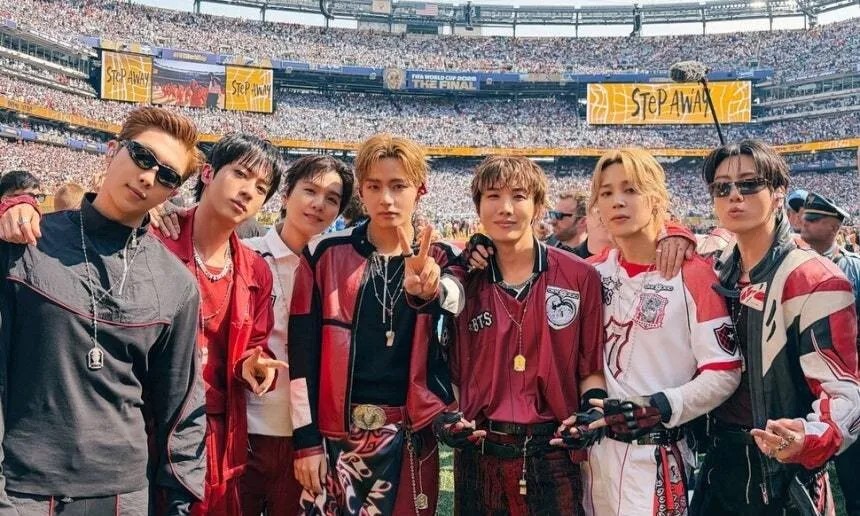
- BTS 2019 concert tickets originally priced at 110,000 KRW were resold for 3 million KRW.
- Criminal proceeds were laundered into real estate, including an apartment and two commercial buildings.
Comparing this current investigative milestone to past enforcement efforts reveals a significant evolution in how South Korean authorities approach ticket fraud. In previous eras, crackdowns were often reactive, sporadic, and largely constrained by legal loopholes that required proof of automated bot usage to secure convictions. During earlier major tours, fans frequently voiced frustration on social media as scalped tickets flooded resale sites minutes after official box offices opened, with law enforcement possessing few legal tools to intervene effectively. What makes this recent case profoundly different is the aggressive targeting of accumulated criminal assets. Rather than merely imposing minor fines, authorities utilized comprehensive forensic data recovery—retrieving hidden USB drives and encrypted files—to track down and freeze 1.26 billion won in assets, successfully seizing commercial properties purchased directly with scalping revenue. This shift from simple misdemeanor ticketing citations to high-level asset forfeiture marks a watershed moment in industry regulation.
From the perspective of the global fan community, this news evokes a complex mixture of validation and lingering frustration. Fandoms across the globe have long campaigned against predatory scalpers who price-gouge authentic supporters while contributing nothing to the artistic creation process. In general terms, fan sentiment surrounding such arrests is overwhelmingly positive, as it signals that regulatory bodies are finally taking the economic exploitation of fandom culture seriously. However, this community relief is tempered by the sobering realization that A’s operation is likely just one node in a much larger, interconnected network of underground ticketing rings. For every high-profile arrest made, countless automated bots continue to test the defenses of ticketing platforms, leaving fans to wonder whether technological safeguards will ever truly catch up to the ingenuity of black-market operators.
Looking ahead, this landmark case serves as both a stern warning and a catalyst for systemic change within the live entertainment sector. The recent implementation of strengthened legal frameworks, highlighted by the revised Performance Act that took effect at the end of last month, expands the legal definition of unlawful ticket sales to penalize unauthorized resales regardless of whether macro programs were explicitly proven. This legislative teeth gives prosecutors and cybercrime units the mandate they need to pursue secondary markets aggressively. As law enforcement continues to probe remaining chat rooms and syndicate members, the live music industry stands at a critical juncture. Moving forward, event organizers, ticketing agencies, and government regulators must collaborate to implement immutable verification methods, such as enhanced identity-linked ticketing and dynamic QR entry systems, to ensure that K-pop concerts remain accessible spaces driven by genuine fan devotion rather than predatory capital accumulation.