In the high-stakes world of K-pop, where the trajectory of an idol is often viewed through the lens of polished performances and chart-topping hits, the quiet moments of decision often remain hidden in the shadows of pre-debut uncertainty. For TWICE’s Sana, the path to becoming a global icon was not merely a matter of talent or chance, but a singular, transformative evening watching 2PM perform on stage. In a recent episode of the online series ‘Sana’s Fridge Interview,’ the star opened up to 2PM’s Lee Junho about the pivotal moment that convinced her to move from Japan to Korea, revealing the intimate, behind-the-scenes narrative of her leap of faith into the JYP Entertainment trainee system.
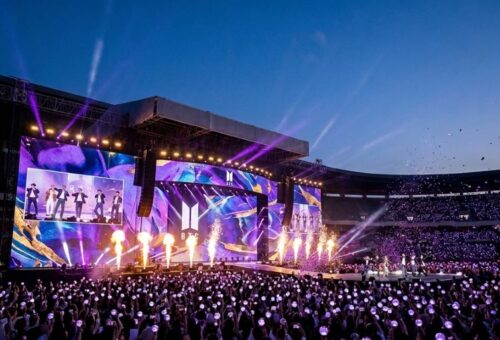
The story of Sana’s recruitment is a quintessential look at the life-changing impact of industry seniors. At the time, Sana was grappling with the massive, life-altering decision of whether to pursue a career as an idol in a foreign country. Her mother, recognizing the depth of her daughter’s potential, secured tickets to a 2PM concert, creating a critical junction in Sana’s life. Witnessing the raw energy and magnetism of the legendary group on stage acted as the final catalyst. That experience of watching JYP Entertainment’s ‘beast idols’ sparked a question that would define her future: ‘Do you want to stand on that stage, too?’ Her answer—an unequivocal ‘yes’—set in motion the journey that would lead to her global prominence with TWICE.
The Anatomy of an Idol Evolution
The transition from a hesitant teenager in Japan to a veteran performer celebrating a decade in the industry provides a fascinating look at the internal ecosystem of one of K-pop’s most successful agencies. Sana’s admission offers a rare glimpse into the lineage of talent within JYP Entertainment, where the mentorship and influence of earlier generations like 2PM have directly informed the professional standards of later groups like TWICE. The mentorship, according to Sana, extended far beyond that initial concert spark. She noted that Junho remained a consistent figure in her development, offering advice that spanned from technical performance tips to the vital importance of maintaining health during grueling world tours.
- The Catalyst: A 2PM concert served as the definitive turning point for Sana’s decision to move to South Korea.
- Mentorship Legacy: Lee Junho (2PM) acted as a long-term mentor to Sana from her early trainee days.
- Professional Milestone: Sana acknowledges a decade of experience, reflecting on the evolution of TWICE’s performance style.
- Artistic Vision: Sana initially expected to follow traditional performance tropes, such as dancing with male partners, before TWICE pioneered their own unique group identity.
Industry Dynamics and the Legacy Effect
Analyzing this revelation reveals much about how K-pop talent pipelines function. It highlights a ‘mentorship loop’ that is essential to the longevity of the agency’s roster. By connecting the intensity of 2PM’s performance style to the aspirations of a young, prospective trainee, we see how the internal culture of a company acts as an incubator. It is not just about the training, but about the ‘visualizing of success’ that these legacy performances provide. When an idol sees their future realized on stage by their seniors, the abstract concept of fame becomes tangible and reachable. This mirror-image effect—where idols are influenced by the very people who eventually become their colleagues—is a hallmark of the tight-knit JYP Entertainment community.
Furthermore, Sana’s reflection on the shift in performance aesthetics serves as a window into the evolution of gender roles in choreography. She mentioned that as a young trainee, she assumed that like the male idols she saw, her own career would eventually involve dancing with male partners. The fact that TWICE forged a different path—eschewing those traditional tropes for a longer period of their career—demonstrates the group’s unique growth. That she only recently began working with male dancers on tour highlights how the group has successfully transitioned from their initial ‘young, bright’ conceptualization into a more mature, versatile performance identity that can adapt to evolving industry standards.
The Fandom Perspective: A Shared Nostalgia
For the global fan community, stories like these are more than just behind-the-scenes trivia; they serve as connective tissue between the fan and the artist. When an idol discusses their origin story, especially one involving a beloved group like 2PM, it invites fans to view the history of K-pop as a cohesive, interconnected timeline. Fandoms generally respond to such admissions with deep appreciation, as it humanizes the ‘idol’ label. It reminds listeners that these figures were once fans themselves, sitting in the crowd and looking up at the lights, hoping to one day be the ones providing that experience to someone else.
This sentiment resonates deeply because it validates the fan experience. The ‘concert effect’—the idea that a single performance can change the course of a life—is something that resonates with anyone who has found their own passion through the influence of their favorite music. It creates a powerful, empathetic bridge. When Sana speaks about her early days, she is not just recounting a resume entry; she is sharing a moment of vulnerability that confirms her dedication was built on a genuine love for the craft, not just the eventual payoff of fame.
Looking Toward the Next Decade
As Sana and the members of TWICE enter their second decade, these reflections are particularly timely. The industry is currently witnessing a transition where the ‘third generation’ of K-pop idols is moving into a veteran status, taking on roles that require them to guide the next wave of talent. Sana’s perspective, framed by the lessons she learned from Junho and the inspiration she drew from 2PM, suggests a future where she will inevitably become the mentor that new trainees look toward. Her recognition of being ’10 years in’ is not an end point but a bridge to this next phase of leadership.
What this implies for the direction of TWICE and the broader industry is a focus on endurance. In an era where groups often face the pressure of rapid turnover, the stories of inter-generational support and the careful cultivation of performance identity are what define long-term success. As the industry looks toward what comes after the current generation, the emphasis on these behind-the-scenes influences—the concerts attended, the advice given in private, and the quiet moments of conviction—will be the key to understanding how the next generation of global stars will be forged. Sana’s journey from the concert audience to the center stage is a testament to the fact that while trends change, the foundational power of an inspiring performance remains the heart of K-pop.