When influencer and content creator Lee Se-hwa, widely known as ‘Tongdalk-cheonsa’ and the sister of popular streamer ChimChakMan, recently debuted a dramatic 22kg weight loss, the internet was quick to fixate on the physical transformation. However, her latest project—a YouTube video titled ‘Supply That Might Actually Have Demand’—offers a much more compelling narrative than a mere wellness update. By fully immersing herself in the rigorous preparation, styling, and aesthetic labor required of a K-pop idol, Tongdalk-cheonsa has provided a rare, unvarnished look at what it truly takes to ‘become’ an idol, bridging the gap between her public persona and the polished veneer of the industry she has long admired.
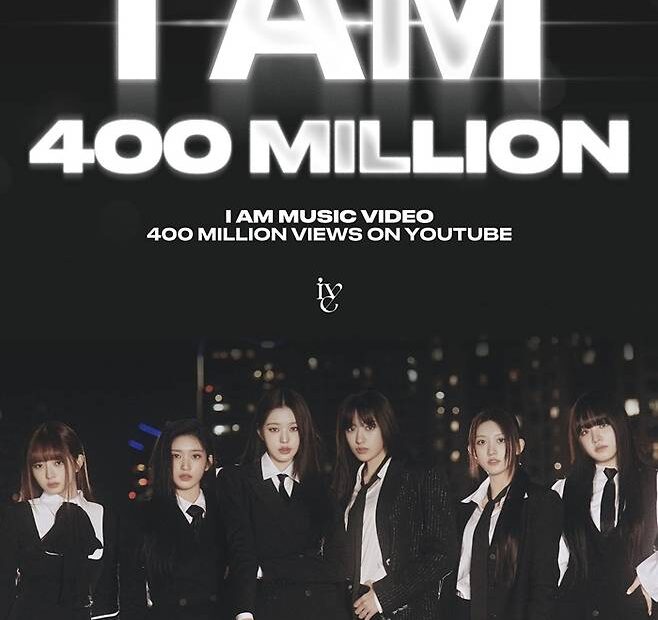
The transformation journey, which saw her go from what she wittily referred to as ‘Tong-geumbo’ (a playful portmanteau of her name and legendary actor Sammo Hung) to a striking lookalike of IVE’s Liz, serves as a focal point for a larger conversation about the K-pop idol manufacturing process. This wasn’t just a makeover; it was a simulation. From professional hair and makeup sessions to the precise choreography of a professional photoshoot, the video documents the meticulous construction of an ‘idol visual.’ It peels back the curtain on the industry’s obsession with styling as a primary vehicle for transformation, reminding fans that the ethereal beauty seen in music videos is often the product of intense, coordinated labor that begins long before the camera shutter clicks.
The Anatomy of an Idol Aesthetic
At the heart of this transformation lies the reality of weight management in the modern era of K-pop, a topic Tongdalk-cheonsa addressed with transparency by mentioning her use of Wegovy. In an industry where diet culture is often shrouded in mystery or marketed through restrictive, questionable methods, her openness marks a shift. By documenting her progress from 78kg to 56kg and openly discussing the medicinal tools she utilized, she challenges the typical narrative of ‘effortless’ beauty that so often dominates the conversation around celebrity health. This shift highlights a changing dynamic in the Korean entertainment sphere, where the audience is increasingly demanding authentic insights into the ‘how’ behind the ‘wow.’
| Feature | Pre-Transformation | Post-Transformation (Idol Concept) |
|---|---|---|
| Self-Identification | ‘Tong-geumbo’ (Comedic/Relatable) | ‘IVE Liz’ (Aesthetic/Polished) |
| Physical State | 78kg (Baseline) | 56kg (-22kg Result) |
| Creative Focus | Streamer/Creator Identity | Idol Performance/Visual Modeling |
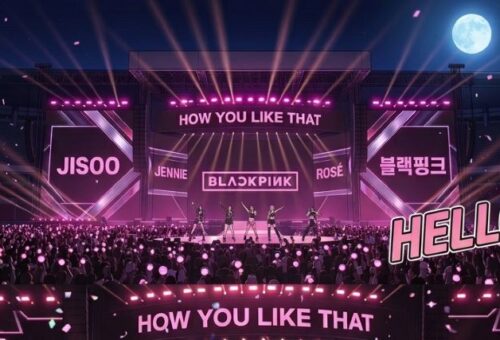
To understand why this resonates so deeply with the K-pop fan base, one must look at the nature of idol-fan dynamics. Fans are no longer satisfied with static promotional photos; they crave the behind-the-scenes content that showcases the human struggle behind the performance. By adopting the persona of an aspiring idol, Tongdalk-cheonsa mirrors the very journeys that trainees undergo for years. While she playfully mused that she would happily join BLACKPINK as a ‘fifth member’ if given the chance, the sentiment underscores the collective dream of a generation that grew up watching the barrier between fan and performer blur. Her ability to lean into this performance suggests that the ‘idol experience’ is a curated skill set—one that can be explored and deconstructed by anyone willing to put in the time, resources, and institutional preparation.
The Intersection of Media and Fan Culture
This episode serves as a fascinating case study on the ‘para-social’ feedback loop. Tongdalk-cheonsa did not arrive at this look in a vacuum; her previous interactions with IVE’s Liz—a high-profile collaboration that validated her own self-perception as a ‘doppelganger’—fueled the trajectory of this current project. In the K-pop ecosystem, lookalikes and fan-made content have become powerful engines of visibility. When an influential creator adopts the aesthetic of a top-tier idol, it effectively creates a bridge that reinforces the brand power of the group being mirrored. This symbiotic relationship, where the influencer gains access to the idol’s orbit and the idol’s brand receives organic, high-engagement promotion, is a hallmark of current digital-first entertainment strategies.
However, the skepticism inherent in the industry remains. As fans react to this transformation, the discourse often oscillates between genuine support and scrutiny regarding the accessibility of these drastic changes. The sheer volume of direct messages (DMs) she received—over 100 regarding her diet alone—speaks volumes about the intense, often unhealthy pressure placed on fans to emulate the aesthetics of their idols. By shifting the conversation to a Q&A format, Tongdalk-cheonsa attempts to reclaim the narrative, transforming a potentially problematic health conversation into a transparent discussion about personal choices. It is a calculated move that addresses the public’s voyeuristic curiosity while setting boundaries around her own health journey.
Reflections on the ‘Idol Simulation’ Trend
Historically, K-pop has been defined by its perfectionism. From the rigid grooming standards to the hyper-specific fashion trends, the industry has long functioned as a walled garden. Yet, we are seeing a pivot toward ‘de-mystification.’ When creators like Tongdalk-cheonsa take on an idol concept, they aren’t just imitating; they are performing a meta-commentary on the entire industry. They highlight that being an ‘idol’ is as much a role to be played—a costume to be worn, a weight to be managed, and a visual to be constructed—as it is a musical profession. It brings the unreachable closer to the realm of the tangible, effectively shifting how the global fan community consumes celebrity lifestyle content.
Looking forward, this project suggests that the line between ‘content creator’ and ‘entertainer’ will continue to fade. As the tools for high-quality production become more democratized, we should expect to see more creators attempting to ‘live’ the lives of their favorite stars. This evolution forces the K-pop industry to rethink its branding; if an influencer can recreate the aesthetic of a global superstar through careful planning and determination, the ‘exclusivity’ of that image diminishes. The industry must continue to lean into the authentic talent, vocal capability, and narrative depth that differentiates true artists from those who merely adopt the look. In the end, Tongdalk-cheonsa’s experiment proves that while the look of an idol can be synthesized, the path remains a labor-intensive, demanding journey that defines the very core of Korean pop culture’s enduring global appeal.